Cucumbers – Refreshing Hydrating Vegetable for Fresh Consumption, Food Processing, and Culinary Applications
Introduction
Cucumbers are widely cultivated and consumed vegetables known for their refreshing taste, high water content, crisp texture, and nutritional value. Scientifically classified as Cucumis sativus, cucumbers belong to the gourd family and are closely related to melons, pumpkins, and squash.
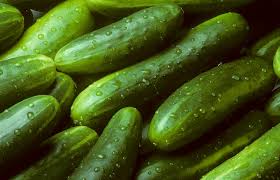
Cucumbers are characterized by their elongated shape, smooth or slightly bumpy green skin, and pale juicy flesh containing edible seeds. They are commonly consumed fresh and are especially valued for their cooling and hydrating properties. Due to their mild flavor and crunchy texture, cucumbers are popular in salads, sandwiches, beverages, and healthy snack preparations.
One of the most important qualities of cucumbers is their extremely high moisture content, which makes them ideal for hydration and low-calorie diets. They also contain dietary fiber, vitamins, minerals, and antioxidants that contribute to overall wellness and balanced nutrition.
Cucumbers are consumed worldwide in both raw and processed forms. They are commonly used in salads, pickles, juices, smoothies, cold soups, wraps, and garnishes. Pickled cucumbers are among the most popular preserved vegetable products in many countries.
The global demand for cucumbers continues to grow due to increasing consumer preference for healthy foods, fresh produce, and low-calorie vegetables. They are widely distributed through supermarkets, restaurants, hotels, catering services, and food processing industries.
Modern cucumber cultivation includes improved seed varieties, greenhouse farming, irrigation systems, pest management, harvesting, grading, packaging, and cold-chain logistics. These practices help ensure consistent quality, freshness, and year-round supply.
Cucumbers also support food processing industries through the production of pickles, preserved vegetables, packaged salads, and ready-to-eat meals. Their commercial importance extends from local markets to export-oriented agriculture.
Today, cucumbers remain essential vegetables in global food systems, supporting hydration, healthy diets, culinary diversity, and agricultural trade worldwide.
Product Definition
Cucumbers are edible vegetables produced by the plant Cucumis sativus, cultivated mainly for fresh consumption, pickling, and food processing. They are valued for their crisp texture, refreshing taste, and high water content.
Cucumbers may be sold fresh, sliced, pickled, or processed depending on consumer and industrial demand.
Product Features
1. High Water Content
Cucumbers are highly hydrating vegetables with very high moisture levels.
2. Crisp and Refreshing Texture
They provide a crunchy and cooling eating experience.
3. Low-Calorie Food
Suitable for healthy diets and weight-conscious consumers.
4. Nutrient-Rich Composition
Contain vitamins, minerals, antioxidants, and dietary fiber.
5. Versatile Culinary Applications
Used in salads, beverages, pickles, and fresh snacks.
6. Strong Global Demand
Widely consumed in households and food service industries.
Tabulated Product Specifications
Parameter
Specification
Product Name
Cucumbers
Scientific Name
Cucumis sativus
Product Type
Fresh Vegetable
Color
Green
Texture
Crisp / Juicy
Flavor
Mild and Refreshing
Moisture Content
95% – 97%
Carbohydrate Content
2% – 4%
Fiber Content
1% – 2%
Protein Content
Less than 1%
Fat Content
Less than 1%
Shelf Life
Several Days to Weeks
Packaging
Plastic crates / Cartons / Bulk packaging
Packaging Sizes
Retail and Wholesale
Storage Condition
Cool and Refrigerated Environment
Main Applications
Fresh Consumption and Pickling
Quality Grade
Premium Food Grade
Origin
Farm Cultivated
Nutritional Composition
Cucumbers are nutrient-rich vegetables with strong hydrating properties.
Water Content
Supports hydration and body fluid balance.
Vitamins
Vitamin C
Vitamin K
Vitamin B Complex
Minerals
Potassium
Magnesium
Calcium
Dietary Fiber
Supports digestion and gut health.
Antioxidants
Contain plant compounds that help support overall wellness.
Uses of Cucumbers
1. Fresh Consumption
Cucumbers are widely consumed raw due to their refreshing taste.
Common Uses
Salads
Sandwiches
Healthy snacks
Garnishes
2. Beverage Industry
Used in refreshing drinks and infused water products.
Beverage Applications
Smoothies
Detox drinks
Flavored water
Vegetable juices
3. Pickling Industry
Cucumbers are widely processed into pickles.
Pickled Products
Dill pickles
Sweet pickles
Fermented cucumber products
4. Hospitality and Catering
Used extensively in hotels, restaurants, and catering services.
5. Packaged Food Industry
Used in fresh-cut salads and ready-to-eat meal products.
Cultivation and Processing
Cucumber production requires suitable climate and careful crop management.
Soil Preparation
Cucumbers grow best in fertile, well-drained soils.
Seed Planting
High-quality seeds are planted for healthy growth.
Crop Management
Includes irrigation, fertilization, and pest control.
Harvesting
Harvested when fruits reach desired size and maturity.
Cleaning and Washing
Products are cleaned to remove soil and contaminants.
Sorting and Grading
Cucumbers are graded based on size, color, and freshness.
Packaging
Proper packaging preserves freshness during transport.
Quality Assurance
Strict quality control ensures premium cucumber products.
Quality assurance includes:
Quality seed selection
Controlled farming practices
Hygiene inspection
Freshness monitoring
Sorting and grading standards
Packaging inspection
Cold-chain storage management
Food safety compliance
These ensure safe and high-quality products for consumers.
Packaging and Storage
Proper storage is essential to maintain freshness and texture.
Common packaging options include:
Plastic crates
Carton boxes
Shrink-wrapped retail packs
Bulk packaging containers
Recommended storage conditions include:
Refrigerated storage
High humidity control
Protection from dehydration
Hygienic handling
Proper ventilation
Correct storage helps preserve crispness and shelf life.
Advantages of Cucumbers
Excellent Hydration Source
Very high water content supports hydration.
Low-Calorie Vegetable
Suitable for healthy diets and wellness programs.
Refreshing Flavor and Texture
Popular in fresh salads and snacks.
Versatile Food Applications
Used in fresh, pickled, and beverage products.
Strong Commercial Demand
Widely consumed in global fresh produce markets.
Commercial Importance
Cucumbers are important commodities in fresh produce and food processing industries.
Reliable suppliers ensure:
Consistent quality supply
Proper grading and packaging
Competitive pricing
Efficient logistics
Export-standard handling
Timely delivery
These factors support strong domestic and international demand.
Conclusion
Cucumbers remain one of the world’s most popular and refreshing vegetables due to their high water content, crisp texture, mild flavor, and nutritional benefits. Their role in salads, beverages, pickles, and fresh produce markets makes them essential commodities in modern food systems.
Premium-quality cucumbers are carefully cultivated, harvested, cleaned, graded, and packaged to maintain freshness, hydration, and market value. From fresh consumption to industrial pickling and packaged food production, cucumbers continue to support healthy nutrition, culinary diversity, agriculture, and global trade.
As demand for healthy, hydrating, and low-calorie food products continues to rise, cucumbers remain valuable commodities for farmers, processors, exporters, retailers, and consumers worldwide.