Aluminum products are manufactured goods made from aluminum metal or its alloys. Aluminum is a lightweight, corrosion-resistant, and highly versatile metal widely used in construction, transportation, packaging, electrical systems, and consumer goods.
Because of its strength-to-weight ratio and recyclability, aluminum is one of the most important industrial materials in the modern world.
What Are Aluminum Products?
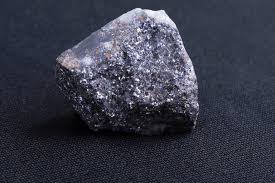
Aluminum products refer to all finished or semi-finished materials made from aluminum metal (derived from bauxite ore). These products are processed through rolling, extrusion, casting, forging, and fabrication techniques.
Aluminum products are used in nearly every major industry due to their durability, conductivity, and resistance to rust.
Main Types of Aluminum Products
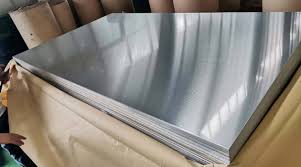
1. Aluminum Sheets and Plates
Flat rolled aluminum materials
Used in roofing, cladding, and vehicle bodies
Available in different thicknesses
2. Aluminum Foil
Very thin rolled aluminum sheets
Used in packaging, food wrapping, and insulation
Flexible and moisture-resistant
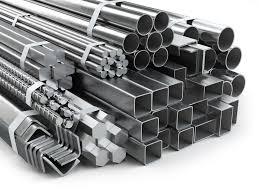
3. Aluminum Extrusions
Shaped profiles made by forcing aluminum through dies
Used in windows, doors, frames, and construction systems
4. Aluminum Bars and Rods
Solid cylindrical or rectangular forms
Used in machining, construction, and manufacturing
5. Aluminum Pipes and Tubes
Hollow cylindrical products
Used in plumbing, HVAC systems, and industrial piping
6. Aluminum Wires and Cables
Lightweight electrical conductors
Used in power transmission and electrical distribution
7. Cast Aluminum Products
Produced by pouring molten aluminum into molds
Used in engine parts, machinery, and automotive components
8. Aluminum Alloys
Aluminum combined with elements like magnesium, silicon, or copper
Stronger and more durable than pure aluminum
Used in aerospace, automotive, and engineering
Physical and Chemical Characteristics of Aluminum Products
Aluminum products are known for:
Lightweight structure
High corrosion resistance (forms protective oxide layer)
Good electrical and thermal conductivity
Non-magnetic properties
High recyclability
Silvery-white appearance
Malleability and ductility
Moderate strength (enhanced in alloys)
Manufacturing Process of Aluminum Products
1. Bauxite Mining
Aluminum production begins with extraction of bauxite ore.
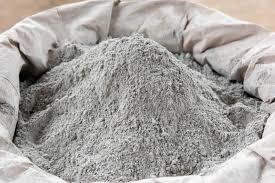
2. Alumina Refining
Bauxite is processed into alumina (Al₂O₃) using the Bayer process.
3. Smelting
Alumina is converted into aluminum metal using electrolysis (Hall-Héroult process).
Aluminum products are economically important because they:
Support global construction and infrastructure development
Drive automotive and aerospace industries
Enable modern packaging systems
Create large-scale manufacturing and recycling jobs
Support energy-efficient transportation and systems
Aluminum is considered a strategic material for industrial growth.
Environmental Considerations
Aluminum production and use involve:
High energy use during smelting
Mining impacts from bauxite extraction
Carbon emissions in primary production
However, benefits include:
100% recyclability with low energy requirement
Reduced environmental footprint through recycling
Long product lifespan
Increasing use of sustainable production methods
Storage and Handling Guidelines
To maintain quality:
Store in dry environments to prevent surface oxidation stains
Avoid scratching polished surfaces
Protect thin sheets and foils from bending damage
Keep separated by alloy type and grade
Handle with care to prevent deformation
Conclusion
Aluminum products are essential industrial materials made from refined aluminum derived from bauxite. They include sheets, foils, extrusions, wires, pipes, castings, and alloys used across construction, transportation, packaging, and electrical industries.
Their lightweight nature, corrosion resistance, and recyclability make aluminum one of the most valuable materials in modern manufacturing.
In essence, aluminum products are not just manufactured goods—they are foundational materials that support modern infrastructure, technology, and sustainable industrial development worldwide.