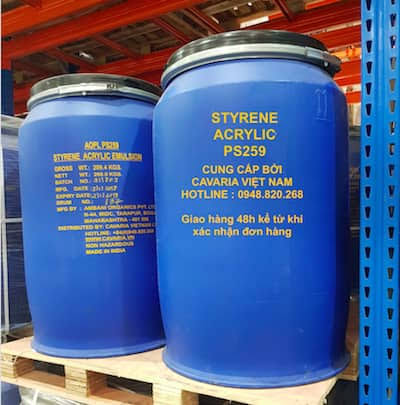
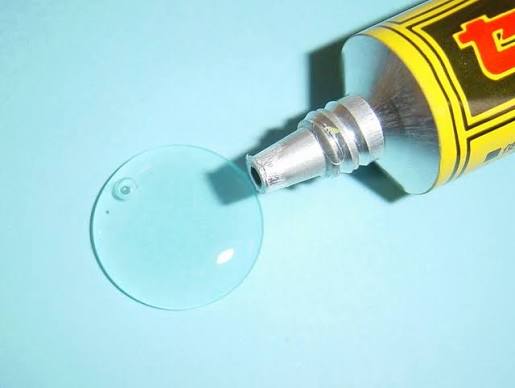
Adhesives are essential bonding materials used to join two or more surfaces together through surface attachment and internal cohesion. They are widely applied across industries such as construction, automotive, packaging, electronics, woodworking, textiles, healthcare, and manufacturing. Unlike traditional mechanical fastening methods like screws, nails, or bolts, adhesives create uniform stress distribution across bonded surfaces, resulting in stronger, lighter, and often more aesthetically refined assemblies.
Modern adhesives are engineered to meet specific performance requirements including strength, flexibility, durability, heat resistance, chemical resistance, and environmental stability. They are available in various forms such as liquids, gels, pastes, tapes, films, and solid sticks. With continuous advancements in polymer science and chemical engineering, adhesives have become highly specialized materials capable of bonding diverse substrates such as metals, plastics, ceramics, wood, rubber, and composites.
Their growing importance in modern manufacturing is driven by the need for lightweight construction, improved efficiency, cost reduction, and enhanced product performance.
Product Definition
Adhesives are substances capable of joining materials by forming a bond at their surface interface. This bonding can be mechanical, chemical, or a combination of both. Adhesives may be natural (derived from biological sources) or synthetic (produced through chemical processes using polymers, resins, and additives).
They function by wetting the surfaces to be bonded, hardening through drying, chemical reaction, cooling, or exposure to light, and forming a durable connection between substrates.
Product Specifications
The specifications of adhesives vary depending on formulation, application, and performance requirements.
Adhesives provide reliable and durable bonding strength suitable for both light-duty and structural applications.
2. Multi-Material Compatibility
They can join similar and dissimilar materials, including combinations that are difficult to fasten mechanically.
3. Lightweight Assembly
Adhesive bonding reduces the need for screws, bolts, and rivets, leading to lighter final products.
4. Stress Distribution
Unlike mechanical fasteners, adhesives distribute load evenly across the bonded surface, reducing stress concentration and material fatigue.
5. Versatile Formulations
Available in rigid, flexible, heat-resistant, waterproof, and chemical-resistant types for different applications.
6. Clean and Aesthetic Finish
Adhesive joints are smooth and invisible, improving product appearance and design quality.
7. Custom Curing Options
Formulations allow for fast-setting, slow-curing, UV-curing, or heat-activated bonding processes.
8. Long-Term Durability
Modern adhesives maintain performance under vibration, temperature fluctuations, and environmental exposure.
Types of Adhesives
Epoxy Adhesives
Two-part systems known for extremely high strength and chemical resistance, commonly used in structural applications.
Polyurethane Adhesives
Flexible and durable adhesives used in construction, automotive, and woodworking industries.
Acrylic Adhesives
Fast-curing adhesives offering strong bonding for industrial and structural applications.
Silicone Adhesives
Highly flexible and resistant to extreme temperatures, moisture, and weathering.
Cyanoacrylate Adhesives
Fast-setting “super glues” used for quick repairs and precision bonding.
Hot Melt Adhesives
Thermoplastic adhesives applied in molten form and solidifying upon cooling.
Pressure-Sensitive Adhesives
Used in tapes, labels, and stickers, bonding upon light pressure.
Rubber-Based Adhesives
Flexible adhesives commonly used in packaging, footwear, and general-purpose applications.
Uses of Adhesives
1. Construction Industry
Used for flooring, wall panels, insulation, tiles, and structural bonding systems.
2. Automotive Industry
Applied in assembling body panels, interiors, trims, and lightweight components.
3. Packaging Industry
Essential for sealing cartons, labels, tapes, and flexible packaging materials.
4. Electronics Industry
Used for bonding delicate components, circuit boards, and insulation systems.
5. Woodworking and Furniture
Used in furniture assembly, laminates, veneers, and wooden structures.
6. Textile and Footwear Industry
Bonding fabrics, leather, soles, and synthetic materials.
7. Healthcare Applications
Used in medical tapes, wound dressings, and device assembly.
8. Household and DIY Repairs
Common for general repairs, crafts, and everyday bonding tasks.
Advantages of Adhesives
High Bond Strength
Modern adhesives provide strong and reliable bonding suitable for demanding applications.
Design Flexibility
Allow innovative product designs without limitations imposed by mechanical fasteners.
Cost Efficiency
Reduce assembly time, labor costs, and production complexity.
Corrosion-Free Joining
Unlike metal fasteners, adhesives do not rust or corrode over time.
Improved Appearance
Create seamless, smooth, and visually appealing joints.
Vibration Resistance
Effectively absorb shocks and vibrations, improving product lifespan.
Material Versatility
Enable bonding between different materials such as metal to plastic or glass to wood.
Storage and Handling
Storage Guidelines
Store in tightly sealed containers
Keep in a cool, dry, and shaded environment
Avoid exposure to heat, moisture, and sunlight
Respect manufacturer shelf-life recommendations
Handling Precautions
Use protective gloves when necessary
Ensure proper ventilation during use
Avoid direct contact with skin and eyes
Follow safety instructions on product labels
Transportation
Transport in approved and sealed containers
Protect from physical damage and extreme temperatures
Ensure proper labeling for safety compliance
Market Demand and Industry Importance
Adhesives are a rapidly growing segment of the global materials and manufacturing industry. Their demand is driven by increasing use in lightweight construction, electric vehicles, electronics miniaturization, sustainable packaging, and advanced manufacturing systems.
Technological advancements in polymer chemistry, nanomaterials, and eco-friendly formulations continue to expand adhesive performance and reduce environmental impact. Industries increasingly prefer adhesives over mechanical fasteners due to efficiency, design freedom, and improved structural performance.
Conclusion
Adhesives are indispensable bonding materials that support a wide range of industrial, commercial, and domestic applications. Their ability to join diverse materials with strength, flexibility, and durability makes them essential in modern manufacturing and construction.
With continuous innovation and expanding applications, adhesives play a crucial role in improving product design, reducing production costs, and enhancing performance. Their versatility ensures they remain a foundational component of modern industrial development.