Animal Feed Grains – Premium Nutritional Feed Ingredients for Livestock and Poultry Production
Introduction
Animal feed grains are essential agricultural commodities used worldwide in livestock, poultry, aquaculture, and animal husbandry industries. These grains provide the energy, protein, fiber, vitamins, and minerals necessary for healthy animal growth, reproduction, productivity, and overall wellbeing. Feed grains play a major role in modern agriculture by supporting efficient meat production, milk production, egg production, and sustainable livestock management systems.
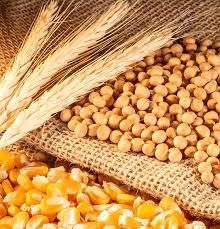
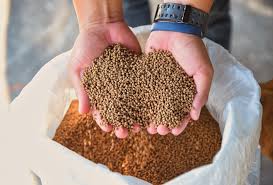
Animal feed grains include a wide range of cereal crops and grain products such as corn, wheat, barley, sorghum, oats, millet, rice bran, and other grain derivatives formulated specifically for feeding animals. These grains are carefully cultivated, processed, stored, and distributed to meet the nutritional needs of different livestock species including cattle, poultry, pigs, sheep, goats, horses, fish, and companion animals.
The increasing global demand for livestock products has significantly expanded the importance of animal feed grains in modern agriculture. Efficient feed systems are critical for improving animal performance, feed conversion efficiency, and farm profitability. As a result, high-quality feed grains remain fundamental components of commercial farming operations and integrated agricultural supply chains.
Animal feed grains are highly valued because they provide concentrated sources of energy and nutrients required for growth and production. Carbohydrates present in grains supply energy necessary for metabolism and body maintenance, while proteins contribute to muscle development, tissue repair, and overall animal performance. Fiber supports digestive health, and essential vitamins and minerals assist various biological functions and immune support.
Different feed grains possess unique nutritional characteristics that make them suitable for specific livestock applications. Corn is widely recognized for its high energy content, barley and oats are valued for fiber and digestibility, while sorghum and millet offer drought-resistant alternatives in dry regions. Wheat and rice by-products are commonly incorporated into feed formulations to improve nutrient balance and feeding efficiency.
Modern feed grain production involves advanced agricultural methods, quality control systems, and hygienic processing procedures to ensure consistency, safety, and nutritional value. After harvesting, the grains undergo cleaning, drying, grinding, storage, and packaging before distribution to feed mills, livestock farms, and agricultural industries. Strict quality assurance measures help minimize contamination, spoilage, and nutrient loss during handling and transportation.
Animal feed grains are also economically important because they support agricultural trade, livestock industries, rural employment, and food production systems globally. Reliable feed grain supply chains contribute directly to the stability of meat, dairy, and poultry sectors in both domestic and international markets.
Today, animal feed grains remain indispensable components of commercial livestock production and sustainable agriculture. Their nutritional benefits, affordability, availability, and versatility continue to make them vital products in the global agricultural economy.
Product Definition
Animal feed grains are cereal grains and grain-derived agricultural products specifically cultivated, processed, and utilized for feeding livestock, poultry, aquaculture species, and other animals. These grains provide essential nutrients including carbohydrates, proteins, fiber, vitamins, and minerals necessary for healthy growth, productivity, and animal performance.
Feed grains may be supplied in whole, cracked, ground, pelleted, or mixed forms depending on feeding requirements and livestock applications.
Product Features
1. High Nutritional Value
Animal feed grains provide essential energy, protein, fiber, and nutrients necessary for healthy animal growth and productivity.
2. Energy-Rich Feed Source
Most feed grains contain high carbohydrate levels that support metabolism and body maintenance.
3. Broad Livestock Applications
Feed grains are suitable for poultry, cattle, pigs, sheep, goats, horses, fish, and other livestock species.
4. Cost-Effective Feeding Solution
Grain-based feeds offer economical nutrition for commercial and small-scale livestock operations.
5. Excellent Digestibility
Processed feed grains improve nutrient absorption and feed conversion efficiency in animals.
6. Versatile Feed Formulations
Feed grains can be blended with supplements, proteins, and minerals to create balanced feed rations.
Common Types of Animal Feed Grains
Corn (Maize)
Corn is one of the most widely used feed grains because of its high energy content and excellent digestibility.
Applications
Poultry feed
Cattle feed
Pig feed
Aquaculture feed
Wheat
Wheat contributes carbohydrates and protein to livestock diets and improves feed balance.
Barley
Barley is valued for its fiber content and suitability in cattle, pig, and horse feeding.
Sorghum
Sorghum serves as an economical alternative to corn in dry and semi-arid regions.
Oats
Oats are commonly used in horse feed and specialty livestock diets due to their digestibility.
Millet
Millet supports poultry and livestock feeding systems in regions with limited rainfall.
Rice Bran
Rice bran provides energy, fat, and nutrients used in livestock and poultry feed formulations.
Tabulated Product Specifications
Parameter
Specification
Product Name
Animal Feed Grains
Product Type
Livestock Feed Ingredient
Grain Sources
Corn, Wheat, Barley, Sorghum, Oats, Millet
Color
Natural Grain Color
Moisture Content
Maximum 14%
Purity
95% – 99%
Protein Content
8% – 16%
Carbohydrate Content
55% – 75%
Fiber Content
2% – 15%
Fat Content
1% – 6%
Shelf Life
6 – 24 Months
Packaging
PP Bags / Bulk Containers
Packaging Sizes
25kg, 50kg, Bulk Loads
Storage Condition
Cool and Dry Place
Main Applications
Livestock and Poultry Feeding
Quality Grade
Feed Grade
Origin
Farm Cultivated Grains
Nutritional Composition
Animal feed grains contain nutrients necessary for animal health, growth, and productivity.
Carbohydrates
Carbohydrates provide energy required for metabolism, body maintenance, and production activities.
Protein
Proteins contribute to muscle development, tissue repair, growth, and reproductive performance.
Dietary Fiber
Fiber supports digestion, rumen function, and intestinal health in livestock.
Vitamins
Feed grains contain vitamins that assist metabolism, immunity, and biological functions.
Minerals
Essential minerals such as phosphorus, magnesium, calcium, potassium, and iron support healthy animal development.
Uses of Animal Feed Grains
1. Poultry Feed Production
Feed grains form the foundation of poultry diets because they provide energy and support rapid growth.
Poultry Applications
Broiler feed
Layer feed
Chick starter feed
Turkey feed
2. Cattle Feed Production
Cattle diets commonly include feed grains for energy, weight gain, and milk production.
Cattle Applications
Dairy cattle feed
Beef cattle feed
Calf feed
3. Pig Feed Formulation
Feed grains support healthy growth and feed efficiency in swine production systems.
4. Horse Nutrition
Certain grains such as oats and barley are commonly used in horse feeding programs.
5. Aquaculture Feed
Fish farming industries incorporate grain products into aquaculture feed formulations.
6. Small Ruminant Feeding
Sheep and goat farmers use feed grains to improve nutrition and animal productivity.
Processing and Production
The quality of animal feed grains depends on proper cultivation, handling, and processing procedures.
Grain Selection
High-quality grains are selected based on nutritional value, purity, and safety standards.
Cleaning
The grains undergo cleaning to remove dust, stones, foreign matter, and impurities.
Drying
Moisture reduction improves storage stability and prevents spoilage.
Grinding and Crushing
Certain feed grains are ground or cracked to improve digestibility and feed utilization.
Mixing and Formulation
Feed ingredients may be blended with proteins, vitamins, minerals, and supplements to create balanced feed products.
Packaging
Processed feed grains are packaged hygienically for transportation and storage.
Quality Assurance
Premium feed grains undergo strict quality control procedures to ensure nutritional consistency and animal safety.
Quality assurance measures include:
Selection of quality grain varieties
Moisture testing
Nutritional analysis
Impurity removal
Contamination control
Hygienic processing
Packaging inspection
Storage monitoring
These procedures help maintain feed quality and livestock performance.
Packaging and Storage
Animal feed grains are packaged in durable materials designed to maintain freshness and prevent contamination.
Common packaging options include:
Polypropylene bags
Bulk storage containers
Jumbo bags
Silo storage systems
Recommended storage conditions include:
Cool and dry environment
Proper ventilation
Low humidity
Protection from pests
Elevated storage systems
Avoidance of direct moisture exposure
Proper storage practices help preserve nutritional value and feed safety.
Advantages of Animal Feed Grains
Improved Livestock Productivity
Feed grains support healthy growth, reproduction, and production efficiency in animals.
Cost-Effective Nutrition
Grain-based feeding systems provide affordable nutritional solutions for farmers.
Broad Availability
Feed grains are widely cultivated and accessible in domestic and international agricultural markets.
Flexible Feed Formulations
Different grain combinations can be customized for various livestock species and production goals.
Essential Agricultural Commodity
Feed grains support global livestock industries and food production systems.
Commercial Importance
Animal feed grains are among the most important commodities in agricultural trade and livestock production systems worldwide.
Reliable feed grain suppliers ensure:
Consistent nutritional quality
Safe processing standards
Competitive pricing
Timely delivery
Secure packaging
Bulk supply capability
These factors contribute to efficient livestock production and long-term business partnerships.
Conclusion
Animal feed grains remain essential agricultural products supporting livestock farming, poultry production, aquaculture, and sustainable food systems worldwide. Their rich nutritional value, affordability, versatility, and broad availability make them indispensable ingredients in commercial feed production and animal husbandry operations.
Premium-quality feed grains are carefully cultivated, processed, and packaged to maintain purity, nutritional integrity, and feed safety standards. From poultry and cattle farming to aquaculture and horse feeding, animal feed grains continue to support healthy animal growth, improved productivity, and efficient agricultural systems.
As global demand for meat, dairy, poultry, and livestock products continues to increase, animal feed grains remain critical commodities driving agricultural development, food security, and international trade across global markets.