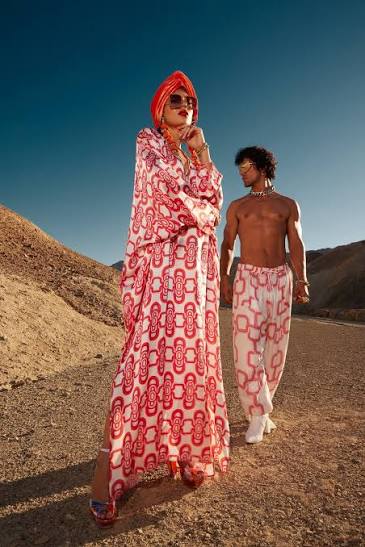
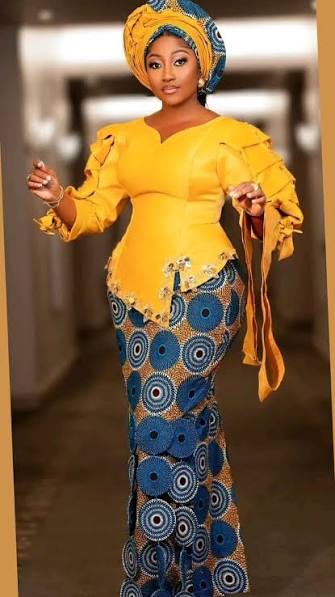
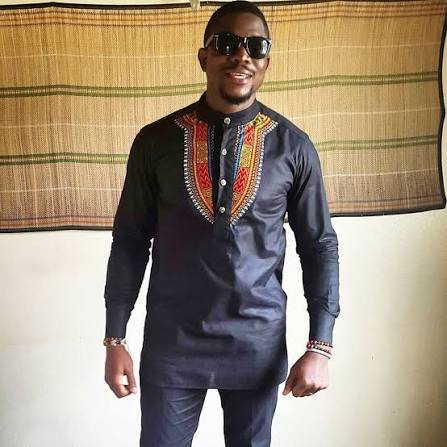
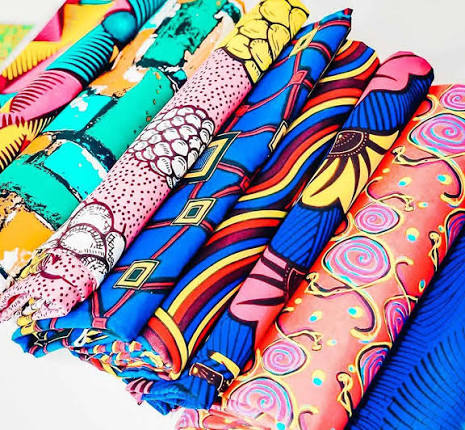
African print clothing refers to garments made from brightly colored, patterned fabrics that are traditionally associated with African textile heritage. These fabrics are known for their bold designs, symbolic patterns, and vibrant color combinations.
Most African print textiles are made from cotton and produced using techniques such as wax-resist dyeing, screen printing, or modern digital printing. The most well-known type is often referred to as Ankara (though African prints include many regional styles beyond Ankara).
African print clothing is used to create dresses, shirts, skirts, trousers, suits, headwraps, jackets, and accessories, blending cultural identity with modern fashion design.
—
2. INTRODUCTION TO AFRICAN PRINT CLOTHING
African print clothing represents both cultural expression and fashion innovation. It is deeply rooted in African traditions, where clothing patterns often carry meanings related to identity, heritage, status, celebration, and storytelling.
Historically, wax print fabrics were influenced by Indonesian batik techniques and later industrialized by European manufacturers, before becoming widely embraced and adapted across African countries. Over time, African designers transformed these fabrics into a powerful symbol of cultural pride and global fashion influence.
Today, African print clothing is worn both in everyday life and special occasions such as weddings, festivals, cultural ceremonies, and fashion events. It has also gained international recognition in global fashion industries, appearing in runway collections and modern streetwear.
—
3. TABULATED SPECIFICATION OF AFRICAN PRINT CLOTHING
| SPECIFICATION CATEGORY | DETAILS |
|————————|———|
| Product Type | Cultural and fashion textile garments |
| Fabric Base | 100% cotton (commonly) |
| Printing Methods | Wax-resist, screen printing, digital printing |
| Design Style | Bold, colorful, symbolic patterns |
| Texture | Medium weight, slightly stiff when new |
| Breathability | High (cotton-based) |
| Durability | High with proper care |
| Color Retention | Strong, long-lasting prints |
| Fit Types | Loose, fitted, tailored, custom-made |
| Garment Types | Dresses, shirts, skirts, suits, wraps |
| Maintenance | Moderate (gentle washing recommended) |
| Cultural Significance | High (symbolic and identity-based designs) |
—
4. TYPES OF AFRICAN PRINT CLOTHING
4.1 AFRICAN PRINT DRESSES
These are among the most popular garments, ranging from casual dresses to elaborate gowns used for weddings and ceremonies.
4.2 AFRICAN PRINT SHIRTS AND BLOUSES
Often worn in formal or semi-formal settings, combining traditional patterns with modern tailoring.
4.3 AFRICAN PRINT SKIRTS
Available in pencil, flare, wrap, or maxi styles, commonly worn for both casual and special occasions.
4.4 AFRICAN PRINT TROUSERS AND SUITS
Modern fashion includes tailored trousers and full suits made from African print fabric, blending tradition with corporate style.
4.5 AFRICAN PRINT HEADWRAPS (GELE, HEAD TIES)
These are cultural accessories worn to complement outfits and symbolize elegance and tradition.
4.6 AFRICAN PRINT ACCESSORIES
Includes bags, shoes, belts, and jewelry made from matching fabric designs.
—
5. MATERIALS USED IN AFRICAN PRINT CLOTHING
– Cotton (primary base fabric)
– Cotton blends (for added flexibility)
– Wax-coated cotton (for traditional prints)
– Digital print textiles (modern designs)
– Occasionally silk or satin blends for luxury garments
Cotton remains dominant due to its comfort, breathability, and ability to hold vibrant dyes.
—
6. MANUFACTURING PROCESS OF AFRICAN PRINT CLOTHING
1. Selection of cotton fabric base
2. Design creation (traditional or digital patterns)
3. Printing using wax-resist or industrial printing methods
4. Color fixing and heat treatment
5. Fabric washing and finishing
6. Cutting into garment patterns
7. Stitching and tailoring
8. Final quality inspection and packaging
—
7. USES OF AFRICAN PRINT CLOTHING
7.1 CULTURAL AND TRADITIONAL EVENTS
Widely used in weddings, naming ceremonies, festivals, and cultural celebrations.
7.2 DAILY FASHION WEAR
Modern African print outfits are worn casually as everyday fashion statements.
7.3 FORMAL AND PROFESSIONAL WEAR
Tailored African print suits and dresses are used in offices and formal events.
7.4 FASHION INDUSTRY AND RUNWAY DESIGN
African prints are heavily featured in global fashion shows and designer collections.
7.5 SYMBOLIC AND IDENTITY EXPRESSION
Patterns often represent heritage, identity, unity, or storytelling themes.
—
8. ADVANTAGES OF AFRICAN PRINT CLOTHING
– Rich cultural significance and identity expression
– Bright, visually appealing designs
– Durable and long-lasting fabric
– Versatile for both traditional and modern fashion
– Suitable for many garment styles
– Strong presence in global fashion trends
—
9. LIMITATIONS OF AFRICAN PRINT CLOTHING
– Can be stiff when newly purchased
– Requires careful washing to preserve colors
– Some designs may fade with poor maintenance
– Quality varies depending on production method
– Limited stretch in pure cotton versions
—
10. CONCLUSION
African print clothing is a powerful fusion of culture, identity, and modern fashion. It reflects the creativity and heritage of African textile traditions while continuing to evolve in global fashion markets.
From traditional ceremonies to international runway shows, African print garments have become symbols of pride, elegance, and artistic expression. Their bold patterns and rich meanings make them unique in the world of textiles.
With continued innovation in design and printing technology, African print clothing is expected to grow even further in global influence, while preserving its cultural roots and significance.