Packaged Salads – Fresh Ready-to-Eat Vegetable Products for Healthy Modern Lifestyles
Introduction
Packaged salads are convenient fresh food products made from carefully selected, washed, cut, and packaged vegetables and salad ingredients designed for immediate consumption or minimal preparation. These products have become increasingly popular worldwide due to growing consumer demand for healthy eating, convenience, and ready-to-eat meal solutions.
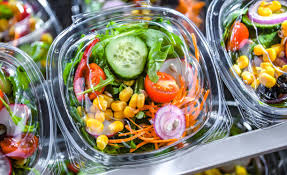
Packaged salads typically include combinations of leafy greens, lettuce, spinach, cabbage, carrots, cucumbers, tomatoes, bell peppers, kale, arugula, and other fresh vegetables. Some products also contain toppings such as cheese, nuts, seeds, croutons, fruits, proteins, and salad dressings to create complete meal solutions.
One of the key advantages of packaged salads is convenience. Consumers can enjoy fresh and nutritious salads without the time-consuming tasks of washing, peeling, chopping, or mixing ingredients. This makes packaged salads highly suitable for busy lifestyles, office meals, quick lunches, and healthy meal planning.
Packaged salads are recognized for their nutritional value. They provide vitamins, minerals, antioxidants, dietary fiber, and hydration from fresh vegetables while supporting balanced diets and healthy eating habits. Many products are marketed toward health-conscious consumers seeking low-calorie, nutrient-rich meal options.
The global demand for packaged salads continues to grow due to increasing awareness of healthy lifestyles, plant-based diets, fitness trends, and fresh convenience foods. Supermarkets, restaurants, hotels, cafes, airlines, and catering companies widely distribute these products.
Modern packaged salad production involves harvesting, washing, sanitizing, cutting, mixing, drying, packaging, refrigeration, and cold-chain transportation under strict food safety and hygiene standards. Modified atmosphere packaging (MAP) is often used to maintain freshness and extend shelf life.
Packaged salads also play an important role in reducing meal preparation time while increasing vegetable consumption. They support agricultural industries, food processors, retailers, and fresh produce supply chains worldwide.
Today, packaged salads remain essential products in the modern fresh food industry, combining convenience, nutrition, freshness, and healthy eating in a ready-to-consume format.
Product Definition
Packaged salads are ready-to-eat or ready-to-prepare fresh vegetable products made from cleaned, cut, and packaged salad ingredients designed for convenient consumption and healthy meal preparation.
They may include plain leafy greens, mixed vegetables, complete salad kits, or premium meal salads depending on market demand.
Product Features
1. Ready-to-Eat Convenience
Pre-washed and pre-cut ingredients save preparation time.
2. Fresh and Nutritious
Contain fresh vegetables rich in vitamins and minerals.
3. Healthy Meal Option
Suitable for balanced diets and healthy lifestyles.
4. Wide Variety of Ingredients
Available in numerous salad combinations and meal formats.
5. Refrigerated Freshness
Maintained under controlled cold-chain systems.
6. Strong Consumer Demand
Highly popular among health-conscious consumers worldwide.
Tabulated Product Specifications
Parameter
Specification
Product Name
Packaged Salads
Product Type
Ready-to-Eat Fresh Food
Main Ingredients
Leafy Greens and Fresh Vegetables
Texture
Fresh / Crisp
Flavor
Mild / Fresh / Natural
Moisture Content
High
Shelf Life
Several Days to Weeks
Packaging
Plastic bowls / Bags / Trays / Containers
Packaging Sizes
Single-Serve and Family Sizes
Storage Condition
Refrigerated Environment
Main Applications
Fresh Consumption
Quality Grade
Premium Food Grade
Preservation Method
Refrigeration / Modified Atmosphere Packaging
Processing Method
Washing, Cutting, and Packaging
Origin
Fresh Produce and Food Processing
Nutritional Composition
Packaged salads provide essential nutrients from fresh vegetables.
Vitamins
Depending on ingredients, common vitamins include:
Vitamin A
Vitamin C
Vitamin K
Folate
Minerals
Potassium
Calcium
Magnesium
Iron
Dietary Fiber
Supports digestion and healthy eating habits.
Antioxidants
Contain beneficial plant compounds that support wellness.
Low-Calorie Meal Option
Suitable for weight management and balanced diets.
Uses of Packaged Salads
1. Ready-to-Eat Meals
Consumed directly as healthy meals or side dishes.
Common Uses
Lunch meals
Side salads
Healthy snacks
Fitness meal plans
2. Hospitality and Catering
Widely used in hotels, restaurants, airlines, and catering services.
3. Retail Supermarkets
Sold as fresh convenience food products.
4. Corporate and Institutional Food Services
Used in offices, schools, hospitals, and cafeterias.
5. Healthy Lifestyle and Fitness Programs
Popular among consumers focused on nutrition and wellness.
Processing and Production
Packaged salad production follows strict hygiene and food safety standards.
Harvesting
Fresh vegetables are harvested at peak quality.
Washing and Sanitizing
Ingredients are thoroughly cleaned and sanitized.
Cutting and Preparation
Vegetables are cut into suitable serving sizes.
Mixing and Portioning
Ingredients are combined according to product formulations.
Drying
Excess moisture is removed to maintain freshness.
Packaging
Products are sealed in hygienic containers or bags.
Refrigerated Storage
Cold-chain systems preserve freshness and shelf life.
Quality Assurance
Strict quality control ensures safe and premium packaged salad products.
Quality assurance includes:
Fresh produce inspection
Hygiene monitoring
Temperature control
Freshness testing
Packaging integrity checks
Microbial testing
Cold-chain management
Food safety compliance
These ensure safe and high-quality products for consumers.
Packaging and Storage
Proper packaging and refrigeration are essential for freshness.
Common packaging options include:
Plastic bags
Clamshell containers
Salad bowls
Sealed trays
Recommended storage conditions include:
Refrigerated storage
Continuous cold-chain handling
Protection from contamination
Hygienic packaging
Avoid exposure to high temperatures
Correct storage preserves crispness and freshness.
Advantages of Packaged Salads
Convenience
Ready-to-eat format saves time and effort.
Healthy Nutrition
Provides fresh vegetables and balanced nutrients.
Freshness and Quality
Modern packaging helps preserve texture and taste.
Variety and Customization
Available in numerous ingredient combinations.
Growing Consumer Demand
Strong market growth driven by healthy lifestyle trends.
Commercial Importance
Packaged salads are major products in modern fresh food and convenience food industries.
Reliable suppliers ensure:
Consistent ingredient quality
Hygienic processing
Competitive pricing
Efficient cold-chain logistics
Attractive packaging
Timely delivery
These factors support strong demand in domestic and international markets.
Conclusion
Packaged salads remain essential products in the modern food industry due to their freshness, convenience, nutritional value, and compatibility with healthy lifestyles. Their role in ready-to-eat meals, retail food markets, catering, and wellness-focused diets makes them highly important commodities worldwide.
Premium-quality packaged salads are carefully harvested, washed, prepared, packaged, and refrigerated to maintain freshness, crispness, and nutritional value. From supermarkets and restaurants to office lunches and fitness meal plans, packaged salads continue to support healthy eating, convenience, food innovation, and global fresh produce industries.
As consumer demand for nutritious and convenient meal solutions continues to rise, packaged salads remain valuable products for farmers, food processors, retailers, distributors, and consumers across the world.