Cinnamon – Aromatic Bark Spice for Culinary Use, Food Processing, and Global Spice Markets
Introduction
Cinnamon is one of the world’s oldest and most treasured spices, valued for its sweet aroma, warm flavor, culinary versatility, and extensive industrial applications. Obtained from the inner bark of trees belonging to the Cinnamomum genus, cinnamon has been widely used for centuries in cooking, baking, beverages, perfumery, and traditional wellness practices.
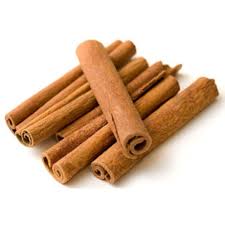
Cinnamon is cultivated mainly in tropical regions and is commonly available in stick (quill) form or as ground powder. The two most commercially recognized varieties are Ceylon cinnamon and Cassia cinnamon, each with distinct flavor profiles, aroma intensity, and commercial uses.
The spice is highly appreciated for its naturally sweet, woody, and slightly spicy flavor that enhances both savory and sweet dishes. Cinnamon is used globally in desserts, baked goods, teas, cereals, sauces, curries, beverages, and spice blends.
One of the major strengths of cinnamon is its rich concentration of essential oils and aromatic compounds, particularly cinnamaldehyde, which contributes to its distinctive fragrance and flavor. Cinnamon also contains antioxidants and beneficial plant compounds that support its popularity in food and wellness industries.
Cinnamon is widely used in households, restaurants, bakeries, beverage manufacturing, spice processing industries, confectionery production, and international food manufacturing. It is an essential ingredient in many traditional and modern recipes across different cultures.
The global demand for cinnamon continues to rise due to increasing consumption of processed foods, bakery products, natural flavorings, wellness-oriented products, and international cuisines. Cinnamon is one of the most important commodities in global spice trade.
Modern cinnamon production involves bark harvesting, peeling, drying, grading, grinding, packaging, and export processing under strict quality and food safety standards. Proper handling and storage are essential to preserve aroma, flavor, and oil content.
Today, cinnamon remains a highly valuable spice supporting culinary traditions, food innovation, agricultural economies, and international commerce.
Product Definition
Cinnamon is an aromatic spice obtained from the inner bark of trees belonging to the Cinnamomum genus. It is cultivated and processed mainly for culinary seasoning, food manufacturing, beverage production, and industrial applications.
Cinnamon may be sold as sticks, quills, chips, or ground powder depending on market and industrial requirements.
Product Features
1. Sweet Aromatic Flavor
Cinnamon provides warm, sweet, and woody flavor characteristics.
2. Rich Essential Oil Content
Contains cinnamaldehyde and aromatic compounds.
3. Multiple Product Forms
Available as sticks, chips, and powder.
4. Long Shelf Life
Properly dried cinnamon remains stable for extended periods.
5. Wide Culinary Applications
Used in cooking, baking, beverages, and spice blends.
6. Strong Global Market Demand
Widely consumed and traded internationally.
Tabulated Product Specifications
Parameter
Specification
Product Name
Cinnamon
Scientific Name
Cinnamomum species
Product Type
Spice Bark
Color
Light Brown to Dark Brown
Texture
Dry / Rolled Bark / Fine Powder
Flavor
Sweet / Warm / Woody
Moisture Content
Low
Main Active Compound
Cinnamaldehyde
Essential Oil Content
Present
Protein Content
Low
Fat Content
Low
Shelf Life
Several Months to Years
Packaging
Bags / Pouches / Bulk cartons
Packaging Sizes
Retail and Wholesale
Storage Condition
Cool, dry, and airtight environment
Main Applications
Culinary and Industrial Processing
Quality Grade
Premium Food Grade
Origin
Farm Cultivated
Nutritional Composition
Cinnamon contains valuable aromatic compounds and nutrients.
Cinnamaldehyde
Primary compound responsible for cinnamon aroma and flavor.
Vitamins
Vitamin K
Vitamin E
Vitamin B Complex
Minerals
Calcium
Iron
Magnesium
Potassium
Antioxidants
Contain beneficial plant compounds with antioxidant properties.
Dietary Fiber
Provide moderate amounts of natural fiber.
Uses of Cinnamon
1. Culinary Cooking Ingredient
Cinnamon is widely used in savory and sweet dishes.
Common Uses
Rice dishes
Curries
Desserts
Breakfast cereals
2. Baking and Confectionery
Essential ingredient in baked goods and sweet products.
Processed Products
Cakes
Cookies
Pastries
Candies
3. Beverage Industry
Used in teas, coffees, and flavored drinks.
4. Spice and Food Processing Industry
Used in seasoning blends and packaged foods.
5. Wellness and Cosmetic Industry
Used in wellness-oriented products and fragrances.
Cultivation and Processing
Cinnamon production requires tropical growing conditions and careful bark processing.
Soil Preparation
Cinnamon trees grow best in fertile and well-drained soils.
Planting
Trees are propagated through seeds or cuttings.
Crop Management
Includes irrigation, pruning, and pest control.
Harvesting
Mature stems are harvested for bark extraction.
Bark Peeling
Inner bark is carefully removed from stems.
Drying
Bark curls naturally during drying to form quills.
Grinding and Packaging
Products may be processed into powder and packaged.
Quality Assurance
Strict quality control ensures premium cinnamon products.
Quality assurance includes:
Quality planting material selection
Controlled cultivation practices
Hygiene inspection
Moisture level monitoring
Aroma and oil content testing
Color and texture evaluation
Packaging inspection
Food safety compliance
These ensure safe and high-quality spice products.
Packaging and Storage
Proper storage is essential to preserve aroma and freshness.
Common packaging options include:
Poly bags
Vacuum-sealed pouches
Bulk export cartons
Retail spice containers
Recommended storage conditions include:
Cool and dry environment
Airtight packaging
Protection from moisture
Hygienic handling
Avoid direct sunlight
Correct storage maintains flavor and shelf stability.
Advantages of Cinnamon
Sweet Natural Flavor
Enhances both savory and sweet food products.
Rich Aromatic Properties
Provides appealing fragrance and warmth.
Versatile Industrial Applications
Used in food, beverages, cosmetics, and wellness industries.
Long Shelf Life
Suitable for long-term storage and export.
Strong Commercial Value
Widely traded in global spice markets.
Commercial Importance
Cinnamon is a major commodity in international spice and food industries.
Reliable suppliers ensure:
Consistent product quality
Proper drying and processing
Competitive pricing
Efficient logistics
Export-standard packaging
Timely delivery
These factors support strong international trade and market growth.
Conclusion
Cinnamon remains one of the world’s most valuable and widely used aromatic spices due to its sweet flavor, rich aroma, culinary versatility, and industrial importance. Its role in cooking, baking, beverages, spice manufacturing, and wellness-oriented products makes it an essential commodity in modern global markets.
Premium-quality cinnamon is carefully cultivated, harvested, processed, dried, graded, and packaged to preserve aroma, flavor, oil content, and freshness. From household kitchens and bakeries to industrial food manufacturing and international spice trade, cinnamon continues to support culinary traditions, agriculture, food innovation, and global commerce.
As global demand for natural spices, flavoring agents, and processed food ingredients continues to rise, cinnamon remains a highly valuable commodity for farmers, processors, exporters, retailers, and consumers worldwide.