Bay Leaves – Aromatic Herb Leaves for Culinary Use, Food Processing, and Spice Applications
Introduction
Bay leaves are fragrant dried leaves obtained mainly from the Laurus nobilis tree, widely used as a culinary herb and flavoring agent in cooking and food processing. Known for their subtle, herbal, slightly floral aroma, bay leaves are a key ingredient in soups, stews, sauces, rice dishes, and slow-cooked meals across many global cuisines.
Bay leaves have been used since ancient times in Mediterranean, Asian, and Middle Eastern cooking traditions. They are typically not eaten directly but are added whole during cooking to release flavor and then removed before serving.
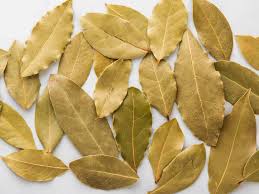
Fresh bay leaves are green and flexible, while dried bay leaves become firm, brittle, and more concentrated in aroma. Drying enhances their shelf stability and intensifies their flavor profile.
One of the key characteristics of bay leaves is their essential oil content, including compounds such as eucalyptol, which contribute to their distinctive fragrance and culinary value. They are also appreciated for their antioxidant and natural preservative properties.
Bay leaves are widely used in households, restaurants, hotels, and food processing industries. They are essential in spice blends, seasoning mixes, pickling solutions, and traditional recipes.
The global demand for bay leaves continues to grow due to increased consumption of international cuisines, natural herbs, and processed foods. They are traded in whole dried leaf form, crushed form, and occasionally powdered form.
Modern bay leaf production involves cultivation, harvesting, washing, drying, grading, and packaging under controlled conditions to preserve aroma, color, and quality. Proper drying and storage are important to prevent moisture damage and maintain flavor.
Today, bay leaves remain an essential culinary herb in global food systems, supporting cooking traditions, food manufacturing, and herbal applications.
Product Definition
Bay leaves are aromatic dried leaves obtained from the bay laurel tree (Laurus nobilis), cultivated mainly for culinary seasoning, food processing, and herbal applications.
They are typically used whole during cooking to infuse flavor into food and are removed before consumption.
Product Features
1. Subtle Aromatic Flavor
Bay leaves provide a mild herbal and slightly floral taste.
2. Essential Oil Content
Contain aromatic compounds such as eucalyptol.
3. Whole Leaf Form
Commonly used as whole dried leaves in cooking.
4. Long Shelf Life
Properly dried leaves store well for extended periods.
5. Wide Culinary Applications
Used in soups, stews, sauces, and rice dishes.
6. Strong Global Demand
Widely used in traditional and modern cuisines.
Tabulated Product Specifications
Parameter
Specification
Product Name
Bay Leaves
Scientific Name
Laurus nobilis
Product Type
Culinary Herb Leaf
Color
Green (fresh) / Olive Brown (dried)
Texture
Dry / Brittle (dried form)
Flavor
Mild / Herbal / Aromatic
Moisture Content
Low (dried form)
Essential Oil Content
Present
Main Compounds
Eucalyptol and Aromatic Oils
Protein Content
Low
Fat Content
Low
Shelf Life
Several Months to Years
Packaging
Bags / Pouches / Bulk sacks
Packaging Sizes
Retail and Wholesale
Storage Condition
Cool, dry, and airtight environment
Main Applications
Culinary and Food Processing
Quality Grade
Premium Food Grade
Origin
Farm Cultivated
Nutritional Composition
Bay leaves contain beneficial plant compounds and essential oils.
Essential Oils
Provide aroma and flavor characteristics.
Vitamins
Vitamin A
Vitamin C
Vitamin B6
Minerals
Calcium
Iron
Magnesium
Potassium
Antioxidants
Contain natural plant compounds with antioxidant properties.
Uses of Bay Leaves
1. Culinary Cooking Ingredient
Bay leaves are widely used to enhance flavor in cooking.
Common Uses
Soups
Stews
Curries
Rice dishes
2. Spice and Seasoning Industry
Used in spice blends and seasoning products.
Processed Products
Ground bay leaf powder
Herbal seasoning mixes
Marinades
Pickling spices
3. Food Processing Industry
Used in packaged and processed foods.
4. Hospitality and Catering
Widely used in restaurants and professional kitchens.
5. Traditional Culinary Practices
Essential ingredient in many regional cuisines worldwide.
Cultivation and Processing
Bay leaf production involves careful agricultural practices.
Soil Preparation
Bay laurel grows best in well-drained fertile soils.
Planting
Trees are propagated through seeds or cuttings.
Crop Management
Includes irrigation, pruning, and pest control.
Harvesting
Leaves are harvested once mature and aromatic.
Drying
Leaves are air-dried or shade-dried to preserve aroma.
Sorting and Grading
Leaves are classified based on size and quality.
Packaging
Proper packaging preserves aroma and prevents moisture damage.
Quality Assurance
Strict quality control ensures premium bay leaf products.
Quality assurance includes:
Leaf quality inspection
Moisture level monitoring
Aroma evaluation
Color and texture grading
Hygiene checks
Packaging inspection
Food safety compliance
These ensure safe and high-quality herb products.
Packaging and Storage
Proper storage is essential to maintain aroma and quality.
Common packaging options include:
Poly bags
Vacuum-sealed packs
Bulk cartons
Retail herb containers
Recommended storage conditions include:
Cool and dry environment
Airtight packaging
Protection from moisture
Hygienic handling
Avoid direct sunlight
Correct storage preserves freshness and shelf stability.
Advantages of Bay Leaves
Mild Aromatic Enhancement
Adds subtle depth to food flavor.
Versatile Culinary Use
Used in many global cuisines.
Long Shelf Life
Dried leaves store well for long periods.
Natural Flavoring Agent
Used without artificial additives.
Strong Global Demand
Widely consumed in household and industrial cooking.
Commercial Importance
Bay leaves are important commodities in global herb and spice markets.
Reliable suppliers ensure:
Consistent leaf quality
Proper drying and processing
Competitive pricing
Efficient logistics
Export-standard packaging
Timely delivery
These factors support steady international trade.
Conclusion
Bay leaves remain an essential culinary herb in global food systems due to their subtle aroma, flavor-enhancing properties, versatility, and long shelf life. Their role in soups, stews, sauces, rice dishes, spice blends, and processed foods makes them a valuable ingredient in both household cooking and industrial food production.
Premium-quality bay leaves are carefully harvested, dried, sorted, graded, and packaged to preserve aroma, color, and freshness. From home kitchens and restaurants to food manufacturing industries, bay leaves continue to support culinary traditions, food innovation, and global spice trade.
As demand for natural herbs and traditional flavoring agents continues to grow, bay leaves remain a reliable and valuable commodity for farmers, processors, exporters, retailers, and consumers worldwide.