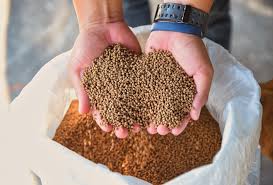
Coffee Beans – Raw Material for Coffee Production and Global Beverage Industry
Introduction
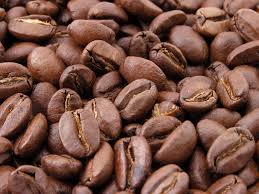
Coffee beans are the roasted seeds of the coffee plant (Coffea spp.), primarily used to produce coffee beverages consumed worldwide. They are one of the most traded agricultural commodities globally and form the foundation of a major international beverage industry.
Coffee beans are actually the seeds found inside coffee cherries. After harvesting, they undergo processing such as pulping, fermentation, drying, and roasting to develop their characteristic aroma and flavor.
There are two main commercial species: Arabica (Coffea arabica) and Robusta (Coffea canephora).
Product Definition
Coffee beans are the processed seeds of coffee cherries, used mainly for:
Coffee beverage production
Instant coffee manufacturing
Espresso and specialty coffee
Food and flavoring products
They are a key raw material in the global coffee supply chain.
Product Features
1. Aromatic Flavor Development
Flavor is developed through roasting.
2. High Global Demand
One of the most consumed beverages worldwide.
3. Two Main Species
Arabica (milder) and Robusta (stronger, higher caffeine).
4. Versatile Processing Forms
Used as whole beans, ground coffee, or instant coffee.
5. Long Shelf Life (Raw Beans)
Green beans store well under proper conditions.
6. Strong Export Commodity
Major agricultural export product for many tropical countries.
Tabulated Product Specifications
Parameter
Specification
Product Name
Coffee Beans
Scientific Name
Coffea arabica / Coffea canephora
Product Type
Agricultural Seed / Beverage Raw Material
Color
Green (raw), brown (roasted)
Texture
Hard seed
Main Varieties
Arabica, Robusta
Caffeine Content
Moderate to High
Moisture Content
Low (green beans)
Main Products
Coffee, espresso, instant coffee
Shelf Life
6 months – 2 years (green beans)
Packaging
Jute bags / sacks / vacuum packs
Storage Condition
Cool, dry, ventilated environment
Main Applications
Beverage industry, food flavoring
Quality Grade
Export / Specialty / Commercial
Nutritional and Chemical Composition
Coffee beans contain bioactive compounds:
Key Components
Caffeine (stimulant)
Chlorogenic acids (antioxidants)
Lipids (coffee oils)
Proteins (small amounts)
Carbohydrates
Minerals
Magnesium
Potassium
Niacin (Vitamin B3 precursor)
Types of Coffee Beans
1. Arabica Coffee
Milder flavor
Higher acidity
Lower caffeine content
Premium market segment
2. Robusta Coffee
Stronger taste
Higher caffeine
More bitter profile
Used in instant coffee blends
3. Specialty Coffee Beans
High-quality, carefully processed beans
Single-origin or organic products
Uses of Coffee Beans
1. Beverage Production
Main use for:
Brewed coffee
Espresso
Cappuccino and lattes
2. Instant Coffee Manufacturing
Processed into soluble coffee powder.
3. Food Industry
Used in:
Coffee-flavored desserts
Ice cream
Chocolates
Bakery products
4. Cosmetics Industry
Used in:
Scrubs
Skin exfoliants
Anti-aging formulations
5. Pharmaceutical and Functional Products
Used in:
Energy supplements
Stimulant-based products
Processing Methods
1. Harvesting
Ripe coffee cherries are handpicked or mechanically harvested.
2. Pulping
Outer fruit layer is removed.
3. Fermentation
Removes mucilage and enhances flavor development.
4. Drying
Beans are sun-dried or mechanically dried.
5. Hulling
Removal of parchment layer.
6. Sorting and Grading
Beans are classified by size and quality.
7. Roasting
Develops aroma, flavor, and color.
8. Grinding (Optional)
Prepared for brewing or industrial use.
Quality Assurance
Quality control ensures premium coffee standards:
Bean size grading
Moisture content control
Defect removal
Flavor profile testing
Contamination checks
Roast consistency monitoring
Packaging and Storage
Packaging Options
Jute bags
Vacuum-sealed packs
Foil-lined bags
Bulk export sacks
Storage Conditions
Cool environment
Low humidity
Airtight packaging
Protection from light and odor absorption
Proper storage preserves aroma and quality.
Advantages of Coffee Beans
1. High Global Demand
One of the world’s most consumed beverages.
2. Strong Economic Value
Major export commodity.
3. Versatile Applications
Used in food, beverage, and cosmetic industries.
4. Long Shelf Life (Green Beans)
Stable before roasting.
5. Value Addition Potential
High profit through roasting and processing.
Commercial Importance
Coffee beans are a key global commodity supporting:
Beverage industries worldwide
Export economies in tropical regions
Specialty coffee markets
Food and flavor industries
They play a central role in global agricultural trade.
Conclusion
Coffee beans are the essential raw material for one of the world’s most important beverages. Through careful cultivation, processing, and roasting, they develop the aroma and flavor that define coffee products globally.
With strong international demand and multiple industrial uses, coffee beans remain a highly valuable agricultural commodity and a major driver of global trade and food culture.