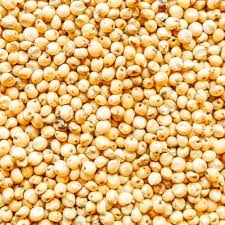
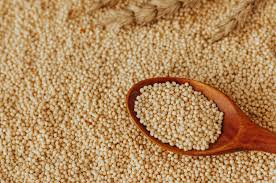
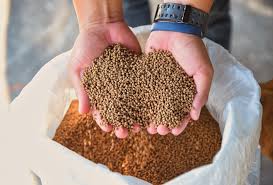
Millet – Premium Nutritious Grain for Food, Feed, and Sustainable Agriculture
Introduction
Millet is one of the oldest cultivated cereal grains in human history and remains an important staple food for millions of people worldwide. Known for its excellent nutritional value, drought resistance, versatility, and adaptability to harsh environmental conditions, millet plays a major role in food security, sustainable agriculture, and economic development. It is widely cultivated across Africa, Asia, and parts of Europe and the Americas, particularly in semi-arid and dry regions where other cereal crops may struggle to grow successfully.
Scientifically classified under several species within the grass family Poaceae, millet refers to a group of small-seeded cereal grains that include pearl millet, finger millet, foxtail millet, proso millet, and other varieties. These grains are valued for their rich nutrient composition, fast-growing nature, and ability to thrive in poor soil and low-rainfall conditions. Millet has become increasingly popular in modern food markets due to rising consumer demand for healthy, gluten-free, and environmentally sustainable food products.
Millet is highly appreciated for its versatility and nutritional benefits. It contains carbohydrates, proteins, dietary fiber, vitamins, minerals, and antioxidants that contribute to balanced nutrition and overall wellbeing. The grain is naturally gluten-free, making it an excellent dietary choice for individuals with gluten intolerance or those seeking alternative grains for healthy eating.
In many countries, millet serves as a staple food and is processed into flour, porridge, bread, flatbreads, cereals, snacks, and beverages. It is also widely used in livestock feed production because of its energy value and digestibility. Beyond food and feed applications, millet supports brewing industries and other agricultural processing sectors.
Farmers value millet because of its resilience to drought, heat, and poor soil conditions. The crop requires relatively low agricultural inputs compared to many other cereals, making it environmentally friendly and economically sustainable. Its short growing cycle also allows farmers to harvest the crop quickly, improving productivity and food availability in vulnerable regions.
Premium-quality millet is cultivated using proper agricultural methods and processed under hygienic conditions to maintain grain purity, freshness, and nutritional quality. After harvesting, the grain undergoes cleaning, drying, sorting, grading, and packaging to meet domestic and international quality standards. Proper moisture control and storage practices help preserve shelf life and minimize contamination risks during transportation and storage.
The increasing global interest in nutritious grains, sustainable agriculture, and healthy food alternatives continues to strengthen millet’s commercial importance in international markets. Today, millet remains a dependable and valuable grain that supports human nutrition, livestock production, industrial processing, and climate-resilient farming systems around the world.
Product Definition
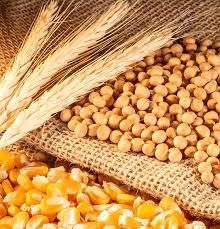
Millet is a small-seeded cereal grain obtained from various grass species cultivated primarily for food, feed, and industrial use. It is a nutrient-rich, gluten-free grain valued for its high energy content, nutritional benefits, and ability to grow in dry and challenging environmental conditions.
The grain is harvested, dried, cleaned, and processed to ensure purity, quality, and long-term storage stability. Millet is supplied in whole grain, flour, meal, or processed forms according to market and customer requirements.
Product Features
1. Highly Nutritious Grain
Millet contains carbohydrates, proteins, dietary fiber, vitamins, minerals, and antioxidants that support balanced nutrition and overall health.
2. Naturally Gluten-Free
The grain is naturally free from gluten, making it suitable for gluten-free diets and specialized food products.
3. Drought-Tolerant Crop
Millet thrives in dry and semi-arid conditions, making it a sustainable crop for regions affected by water scarcity.
4. Versatile Applications
The grain can be used in food preparation, animal feed production, brewing, and industrial processing.
5. Fast Growing Crop
Millet has a relatively short growing cycle, allowing for quicker harvests and improved food availability.
6. Long Shelf Life
Properly dried millet grains maintain freshness and quality during extended storage and transportation periods.
Tabulated Product Specifications
| Parameter |
Specification |
| Product Name |
Millet |
| Scientific Name |
Pennisetum glaucum / Various Millet Species |
| Grain Type |
Small-Seeded Cereal Grain |
| Color |
Creamy White / Yellow / Gray / Brown |
| Moisture Content |
Maximum 14% |
| Purity |
98% Minimum |
| Broken Grains |
2% – 5% Maximum |
| Foreign Matter |
1% Maximum |
| Damaged Grains |
2% Maximum |
| Carbohydrate Content |
60% – 70% |
| Protein Content |
8% – 12% |
| Fiber Content |
2% – 8% |
| Shelf Life |
12 – 24 Months |
| Packaging |
PP Bags / Jute Bags / Bulk |
| Packaging Sizes |
25kg, 50kg, 100kg |
| Storage Condition |
Cool and Dry Place |
| Main Applications |
Food, Feed, Industrial Use |
| Quality Grade |
Premium Export Grade |
| Origin |
Farm Cultivated |
Nutritional Composition
Millet contains essential nutrients required for healthy body function and energy production.
Carbohydrates
Millet is rich in carbohydrates that provide sustained energy for daily activities and physical performance.
Protein
The grain contains moderate protein levels important for body growth, muscle maintenance, and tissue repair.
Dietary Fiber
Dietary fiber supports digestion, promotes gut health, and contributes to better metabolism.
Vitamins
Millet provides B-complex vitamins that support energy metabolism and nervous system function.
Minerals
Essential minerals such as iron, magnesium, phosphorus, potassium, calcium, and zinc are naturally present in millet.
Antioxidants
Certain millet varieties contain antioxidants that help protect body cells from oxidative stress.
Uses of Millet
1. Human Consumption
Millet is widely consumed as a staple food and healthy grain alternative in many regions worldwide.
Common Food Products
- Millet flour
- Porridge
- Flatbreads
- Breakfast cereals
- Cooked grain dishes
- Snacks
- Baked products
- Traditional meals
Its mild flavor and nutritional value make it suitable for both traditional and modern food preparations.
2. Gluten-Free Food Industry
Millet is increasingly used in gluten-free food manufacturing because it is naturally free from gluten.
Gluten-Free Products
- Gluten-free bread
- Health cereals
- Baby foods
- Snack bars
- Baking mixes
3. Livestock Feed Production
Millet serves as an energy-rich ingredient in poultry, cattle, and livestock feed formulations.
Poultry Feed
The grain supports healthy growth and feed efficiency in poultry farming.
Cattle Feed
Millet contributes energy and nutrition for livestock growth and milk production.
4. Brewing Industry
Millet is used in the production of traditional and commercial beverages in various regions.
5. Industrial Applications
Certain millet derivatives are utilized in food processing and agricultural industries.
Cultivation and Processing
The quality of millet depends on proper farming methods and post-harvest handling procedures.
Land Preparation
Farmers prepare fertile land suitable for healthy millet cultivation and high productivity.
Planting
Quality seeds are planted under appropriate climatic and soil conditions to ensure successful crop development.
Harvesting
Millet is harvested at maturity to maintain grain quality and nutritional value.
Drying
The harvested grain is dried carefully to reduce moisture and improve storage stability.
Cleaning and Grading
The grains undergo cleaning, sorting, and grading to remove impurities and ensure consistency.
Packaging
Processed millet is packaged hygienically to preserve freshness during transportation and storage.
Quality Assurance
Premium millet undergoes strict quality control procedures to ensure purity, consistency, and food safety.
Quality assurance measures include:
- Selection of quality seeds
- Proper cultivation methods
- Hygienic harvesting
- Mechanical cleaning
- Moisture testing
- Impurity removal
- Grain grading
- Packaging inspection
- Storage monitoring
These procedures help maintain product quality and customer satisfaction.
Packaging and Storage
Millet is packaged using durable moisture-resistant materials designed to protect grain quality during handling and transportation.
Common packaging options include:
- Polypropylene bags
- Jute sacks
- Laminated packaging
- Bulk loading containers
Recommended storage conditions include:
- Cool and dry environment
- Proper ventilation
- Low humidity
- Protection from pests
- Elevated pallet storage
- Avoidance of direct sunlight
Proper storage practices help preserve nutritional value and extend shelf life.
Advantages of Millet
Climate Resilience
Millet performs well under drought and high-temperature conditions.
Nutritional Benefits
The grain provides essential nutrients that support health and balanced diets.
Gluten-Free Properties
Its gluten-free nature makes it suitable for specialized dietary needs.
Sustainable Crop Production
Millet requires relatively low water and agricultural inputs compared to many other grains.
Broad Commercial Applications
The grain supports food production, livestock farming, brewing, and industrial processing.
Export Importance
Millet is an internationally traded grain with increasing demand in food, health, and agricultural markets worldwide.
Export-quality millet must comply with international standards regarding:
- Grain purity
- Moisture levels
- Foreign matter limits
- Food safety compliance
- Packaging quality
- Contamination control
Reliable suppliers ensure:
- Consistent grain quality
- Competitive pricing
- Timely delivery
- Safe packaging
- Bulk supply capability
- Compliance with export standards
These factors help establish strong customer confidence and long-term trade relationships.
Conclusion
Millet remains one of the most nutritious, resilient, and environmentally sustainable cereal grains in modern agriculture. Its ability to thrive in harsh climatic conditions, combined with its excellent nutritional profile and versatile applications, makes it an essential crop for food security, healthy living, and sustainable farming systems.
Premium-quality millet is carefully cultivated, processed, and packaged to maintain purity, freshness, and nutritional integrity. Rich in carbohydrates, protein, dietary fiber, vitamins, minerals, and antioxidants, millet continues to gain popularity among consumers seeking healthy and gluten-free food alternatives.
From traditional food preparation and livestock feed production to brewing and industrial processing, millet continues to support agricultural development and economic growth across global markets. Its affordability, adaptability, and commercial value make millet a trusted grain choice for farmers, food manufacturers, wholesalers, exporters, and consumers worldwide.