The Resonant Harvest: An Industrial Profile of Croaker
Introduction
In the global seafood economy, croaker (family Sciaenidae) represents a fascinating duality. Named for the distinct, rhythmic drumming sound produced by the vibration of their specialized swim-bladder muscles, these fish are both a prolific wild-capture commodity and a cornerstone of high-value marine aquaculture. From the Atlantic croaker (Micropogonias undulatus) prevalent in the Americas to the highly prized Large Yellow Croaker (Larimichthys crocea) that sustains massive industries in East Asia, these species are valued for their firm, mild-to-sweet flesh and their adaptability to diverse ecological niches.
The industrial story of croaker is one of evolution: it has transitioned from a incidental bycatch of shrimp trawlers to a managed, high-tech aquaculture product. As global demand for reliable, sustainable marine protein continues to climb, the croaker industry has refined its methods to address the challenges of overfishing, disease management, and product quality. This profile examines the technical specifications, the industrial logistics of production, and the significant role this species plays in global culinary and nutritional landscapes.
Defining the Product
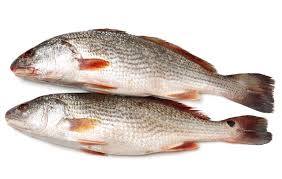
Croakers are characterized by their laterally compressed bodies, distinct “whiskers” (barbels) on the chin, and an inferior mouth structure designed for benthic foraging. Commercially, the product is categorized by species and geography, each serving different segments of the market:
Atlantic Croaker: Historically a massive commercial fishery, these are often sold whole or as fillets. They are prized in Southern culinary traditions and frequently utilized as high-value live bait for recreational angling, a niche market that often outvalues their use as food-fish.
Large Yellow Croaker: A titan of the Asian aquaculture industry. Often sold fresh or frozen, it is considered a premium species. Large-scale cage farming in China has transformed this fish into a major industrial commodity, requiring high levels of veterinary and environmental oversight.
Bait-Grade Croaker: A secondary but economically critical industrial output. In the Gulf of Mexico and other regions, “bait-sized” croaker are actively managed and sold as live bait to sustain the lucrative saltwater recreational fishing industry.
The product formats include:
Whole Round: Freshly iced or blast-frozen; essential for markets where cultural preparation involves the whole fish.
Skin-On/Skinless Fillets: Processed on automated lines for international export, particularly in the premium frozen segment.
Value-Added Portions: Breaded or marinated portions designed for convenience and institutional feeding.
Industrial Specification Matrix
The industrial quality of croaker is dictated by the freshness of the catch and, for farmed varieties, the rigorous control of water quality and feed inputs.
Specification Parameter
Targeted Industrial Baseline
Verification Methodology
Moisture Content
$74.0% – 78.0%$
Forced-Air Oven Drying
Crude Protein
Minimum $17% – 19%$
Kjeldahl Nitrogen Combustion
Total Lipid (Fat)
$2.0% – 5.0%$
Soxhlet Ether Extraction
Histamine Levels
$< 50 text{ ppm}$
ELISA / HPLC Screening
Bacterial Count (APC)
$< 100,000 text{ CFU/g}$
Standard Selective Agar
Freezing Point
$-1.5^circtext{C}$ to $-2.0^circtext{C}$
Thermocouple Data Log
Storage Temperature
$leq -18^circtext{C}$ (Frozen)
Continuous Digital Monitoring
Industrial Applications and Food Systems
Croaker is a versatile tool in the modern food supply chain, performing effectively in multiple segments:
Premium Fine Dining: The firm, white, sweet-tasting flesh of the croaker makes it a preferred choice for high-end culinary applications, including pan-searing and steaming, where structural integrity is vital.
Recreational Support Industry: In many coastal regions, the economic value of croaker as a “live bait” commodity surpasses its value as a food source. The industrial production of “bait-sized” fish is a highly specialized sector requiring careful handling to ensure fish survive the transport from pond to bait shop.
Institutional Catering: Given their reliable supply and consistent protein density, croakers are a staple in institutional feeding programs, providing a cost-effective, nutrient-rich option.
Byproduct Valorization: As with other major finfish industries, the processing of croaker generates byproducts (heads, bones, and viscera) that are rendered into high-grade fish meal and oils, fueling the circular economy of animal feed production.
The Engineering of Aquaculture and Wild Capture
The croaker industry relies on two fundamentally different models of production, each presenting unique engineering challenges.
Aquaculture (The Large Yellow Croaker Model):
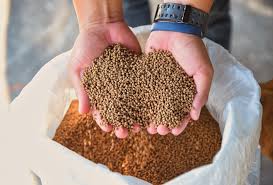
Modern farming for species like the Large Yellow Croaker involves sophisticated cage-farming systems in inner bays. The industry is currently shifting toward “deep-sea cage farming” to reduce the environmental impact on nearshore ecosystems and increase the resilience of the fish to temperature fluctuations. A major technological focus is the development of nutritionally balanced compound feeds to replace the historical reliance on “trash fish” (low-value wild catches), which significantly improves the Feed Conversion Ratio (FCR) and reduces the industry’s environmental footprint.
Wild Capture (The Atlantic Croaker Model):
The management of wild croaker stocks involves the use of bottom trawls, which are increasingly under scrutiny for bycatch impacts. Industrial advancements are focused on the integration of “Turtle Excluder Devices” (TEDs) and high-definition sonar to target specific school densities while minimizing impacts on other marine species.
Sustainability and Environmental Stewardship
Sustainability in the croaker sector is driven by data-driven management and technological innovation.
Acoustic Surveys: To prevent the collapse of wild stocks, scientists and industry regulators use advanced acoustic surveying to estimate biomass in real-time, allowing for precise adjustment of catch limits.
Disease Management in Farming: In large-scale aquaculture, “Health Certification” programs are now standard. This includes strict protocols for the use of veterinary drugs and regular environmental monitoring to prevent the spread of parasites like Benedenia or bacterial infections, which are the primary threats to high-density cage farming.
Traceability: Blockchain-integrated systems are increasingly tracking the croaker supply chain. This transparency allows retailers to provide consumers with precise data on the “origin, date of harvest, and handling temperature,” which is critical for maintaining market trust.
Conclusion
The croaker is a vital component of the global marine economy. Whether it is a wild-caught Atlantic croaker harvested as a food source or a premium Large Yellow Croaker raised in high-tech marine cages, this species is defined by its resilience and economic adaptability. The industry’s transition toward sustainable practices—ranging from the elimination of reliance on wild-caught feed in aquaculture to the implementation of selective fishing gear in wild capture—showcases a maturing sector capable of balancing high-volume production with ecological responsibility.
As we look toward the future, the croaker industry will likely see further integration of automation, disease-resistant genetic strains, and circular waste-management models. By combining these scientific advancements with a deep understanding of the species’ biological requirements, the croaker industry will continue to serve as a reliable, high-quality, and nutritious pillar of the global diet.