The Apex Predator: An Industrial Profile of Barracuda
Introduction
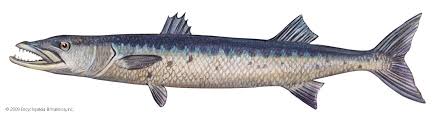
Unlike the staples of the global aquaculture industry (like tilapia or catfish) or the high-volume wild-capture fisheries (like tuna or sardines), barracuda (family Sphyraenidae) occupies a complex and highly restricted niche in the seafood economy. These sleek, toothy predators are widely recognized as “sport fish” rather than “food fish” in many parts of the world. While they are a vital component of tropical and subtropical marine ecosystems, their role in the global industrial food system is hampered by significant biological and safety constraints.
The Biological and Safety Barrier: Ciguatera
The primary reason barracuda is not a major industrial food product is the high risk of ciguatera fish poisoning (CFP). Ciguatera is caused by toxins produced by marine microalgae that accumulate in the tissues of reef-dwelling fish. Because barracudas are high-level apex predators, they bioaccumulate these toxins over their lifespan.
Toxin Persistence: The ciguatoxin is heat-stable and cannot be destroyed by cooking, freezing, marinating, or drying.
Health Warning: Leading health organizations, including the CDC and various international food safety agencies, explicitly advise against the consumption of barracuda. Because the presence of the toxin is unpredictable and undetectable by smell, taste, or appearance, it presents an unacceptable risk for large-scale industrial food processing and retail distribution.
The Industrial Landscape
While the species does not have a formal “canning” or “industrial-scale aquaculture” footprint like other fish, it is integrated into the maritime and regional economy through several specific channels:
Recreational Fishery: Barracuda are highly prized by recreational anglers for their speed, agility, and aggressive strikes. In many coastal regions, they support a localized tourism and recreational fishing economy.
Regional Consumption: In some cultures, particularly in parts of the Caribbean and Indo-Pacific where traditional knowledge regarding the “safe” size or catch location of barracuda exists, they are consumed locally. However, this is distinct from industrial supply chains and is generally discouraged by modern food safety standards.
Niche Processing Equipment: It is important to distinguish the fish from the name. The term “Barracuda” is frequently used in the industrial manufacturing sector as a brand name for high-performance food separation equipment (such as deboning and meat-recovery machines). In this context, “Barracuda” is a piece of industrial machinery that processes other species, not the fish itself.
Cybersecurity & Infrastructure: The name is also widely used by tech firms (e.g., Barracuda Networks) that provide industrial cybersecurity and data protection for manufacturing supply chains, highlighting the disconnect between the biological species and its namesake in the industrial world.
Sustainability and Management
Because barracuda are not a primary industrial target, their “fishery management” is largely restricted to regional sport-fishing regulations.
Data-Poor Status: Management for species like the Pacific Barracuda is challenging because the populations are highly migratory and fluctuate with environmental conditions, such as water temperature.
Regulation: In areas where they are targeted, regulations often focus on minimum size limits (e.g., 28 inches) and bag limits (e.g., 10 fish per person) to prevent overfishing by the recreational sector, rather than to manage a commercial supply chain.
Conclusion
The barracuda stands as an example of a species that, while ecologically significant and biologically fascinating, is largely excluded from the industrial food system due to food safety hazards. Its industrial relevance is found more in its role as a namesake for manufacturing equipment and cybersecurity solutions than as a protein source for the global market. Given the persistent risk of ciguatera, it remains a species that should be treated with extreme caution in any culinary context.