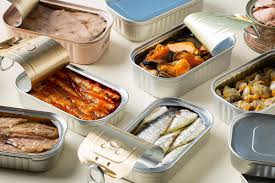
Canned fish is a processed seafood product preserved in sealed airtight containers through heat sterilization techniques designed to extend shelf life while maintaining nutritional quality, flavor, and safety. It is one of the most widely consumed seafood products globally due to its convenience, affordability, portability, and long storage capability.
Canned fish is available in many forms, including fish packed in oil, water, tomato sauce, brine, or seasonings. It is commonly consumed in households, restaurants, military supplies, emergency food reserves, and food service industries. Popular canned fish products include tuna, sardines, mackerel, salmon, and herring.
The canning process allows fish to remain safe and edible for extended periods without refrigeration, making canned fish an important component of global food security and international seafood trade.
Definition of Canned Fish
Canned fish refers to fish that has been cleaned, processed, packed into hermetically sealed containers, and heat sterilized to destroy microorganisms and prevent spoilage.
Common fish species used in canned fish production include:
The final product is shelf-stable and ready for direct consumption or culinary use.
Types of Canned Fish
1. Canned Tuna
One of the most popular canned seafood products
Packed in oil, water, or brine
Used in salads, sandwiches, and meals
2. Canned Sardines
Small oily fish rich in omega-3 fatty acids
Often packed in tomato sauce or oil
3. Canned Mackerel
Rich flavor and high oil content
Common in international seafood markets
4. Canned Salmon
Premium canned seafood product
Used in salads, spreads, and cooked dishes
5. Canned Herring
Mildly flavored oily fish preserved in sauces or brine
6. Flavored or Seasoned Canned Fish
Includes spicy, smoked, or herb-seasoned varieties
Fish Species Commonly Used
Several fish species are ideal for canning due to flavor, texture, and oil content:
Tuna
Sardines
Mackerel
Salmon
Herring
Anchovies
Both wild-caught and farm-raised fish may be used depending on product type.
Canning and Processing Procedure
The production of canned fish involves several stages:
1. Fish Selection
Fresh, high-quality fish are selected and inspected.
2. Cleaning and Preparation
Fish are:
Washed
Gutted
Cut or filleted where necessary
3. Pre-Cooking
Some fish are partially cooked before canning.
4. Filling
Fish is packed into cans with:
Oil
Water
Brine
Tomato sauce or seasonings
5. Sealing
Containers are hermetically sealed.
6. Sterilization
Cans are heat-treated under pressure to destroy bacteria and microorganisms.
7. Cooling and Labeling
Cans are cooled, inspected, labeled, and packaged.
Physical and Sensory Characteristics
High-quality canned fish typically exhibits:
Intact fish texture
Natural color retention
Pleasant seafood aroma
Clean and properly sealed containers
Uniform filling medium distribution
No swelling or leakage in cans
Tabulated Specification of Canned Fish
Specification
Details
Product Name
Canned Fish
Scientific Sources
Thunnus albacares, Sardina pilchardus
Product Type
Shelf-stable processed seafood product
Preservation Method
Heat sterilization and canning
Packaging Forms
Metal cans, easy-open containers
Filling Media
Oil, water, brine, tomato sauce
Texture
Firm, tender, flaky
Flavor Profile
Savory, mildly salty, seafood-rich
Shelf Life
2–5 years (unopened cans)
Storage Conditions
Cool, dry environment
Processing Methods
Cooking, sealing, sterilization
Traceability
Fishery and production batch records
Uses of Canned Fish
Canned fish is widely used in many culinary and industrial applications:
1. Household Consumption
Used in:
Sandwiches
Salads
Pasta dishes
Rice meals
2. Food Service Industry
Popular in restaurants, hotels, schools, and catering operations.
3. Emergency Food Supplies
Long shelf life makes canned fish suitable for:
Disaster relief
Military rations
Emergency reserves
4. Food Processing Industry
Used in:
Ready meals
Seafood spreads
Snack products
5. International Trade
Canned fish is a major export commodity in global seafood markets.
Nutritional Value of Canned Fish
Canned fish provides valuable nutrients including:
High-quality protein
Omega-3 fatty acids
Vitamin D and B12
Calcium (especially canned sardines with soft bones)
Selenium and iodine
Nutritional content may vary depending on species and packing medium.
Health Benefits
Canned fish offers several health advantages:
1. Heart Health
Omega-3 fats support cardiovascular wellness.
2. Brain Function
Essential fatty acids support cognitive health.
3. Muscle Development
Protein aids growth and tissue repair.
4. Bone Support
Calcium-rich canned fish contributes to bone health.
5. Convenient Nutrition
Provides quick access to nutritious seafood protein.
Economic Importance
Canned fish contributes significantly to global economies:
Adds value to seafood industries
Supports fisheries and seafood processing sectors
Creates employment in manufacturing and distribution
Expands seafood accessibility to inland markets
Generates export revenue for producing countries
It is one of the most commercially important processed seafood products worldwide.
Environmental Considerations
Canned fish production involves sustainability factors such as:
Responsible fishery management
Sustainable sourcing and certification programs
Reduction of seafood spoilage and waste
Efficient use of fish resources
Modern canning industries increasingly adopt environmentally responsible practices.
Storage and Handling Guidelines
To maintain product safety and quality:
Store unopened cans in cool, dry conditions
Avoid exposure to excessive heat or moisture
Inspect cans for swelling, dents, or leakage
Refrigerate contents after opening
Use clean utensils during handling
Follow expiration and best-before dates
Quality Control Standards
High-quality canned fish must meet:
Fresh raw fish quality standards
Proper sterilization and sealing procedures
No microbial contamination
Intact, undamaged packaging
Compliance with food safety regulations
Traceability and labeling standards
Conclusion
Canned fish is a highly practical and nutritionally valuable seafood product that combines long shelf life, convenience, and excellent nutritional benefits. Produced from species such as Thunnus albacares, Sardina pilchardus, and Scomber scombrus, canned fish remains a major component of global food systems and seafood trade.
Its versatility in meals, portability, and resistance to spoilage make it an essential food product for households, institutions, and emergency food reserves worldwide. As demand for convenient and nutritious foods continues to grow, canned fish maintains its position as one of the most important processed seafood products globally.
In essence, canned fish is not just preserved seafood—it is a durable, nutritious, and globally traded food solution that supports modern lifestyles, food security, and sustainable seafood consumption.