Fish meal is a high-protein powder produced from whole fish, fish trimmings, or fish by-products through cooking, pressing, drying, and grinding processes. It is one of the most important protein-rich ingredients used in animal nutrition, especially in aquaculture, poultry, pig farming, and pet food production.
Recognized for its excellent amino acid profile, digestibility, and nutrient density, fish meal plays a vital role in modern livestock and aquaculture industries. It contains high levels of protein, essential fatty acids, vitamins, and minerals that support rapid growth, feed efficiency, and animal health.
Fish meal is widely traded internationally and is considered a valuable by-product of the fishing and seafood processing industries. Its production helps maximize the utilization of marine resources while reducing waste from fish processing operations.
Definition of Fish Meal
Fish meal is a dry, protein-rich feed ingredient manufactured by processing fish or fish by-products into a finely ground powder through cooking, drying, and milling techniques.
Common fish species used for fish meal production include:
Engraulis ringens Sardinops sagax Clupea harengus
Fish meal is primarily used as a nutritional supplement in animal feed formulations.
Types of Fish Meal
1. Standard Fish Meal
General-purpose protein source for livestock and aquaculture feeds
Moderate protein and oil levels
2. High-Protein Fish Meal
Higher protein concentration
Premium feed ingredient for aquaculture and specialty feeds
3. Steam-Dried Fish Meal
Produced using low-temperature drying methods
Better nutrient preservation and digestibility
4. Solvent-Extracted Fish Meal
Lower oil content after extraction processes
Suitable for specific feed formulations
5. Whole Fish Meal
Produced directly from whole fish species
6. By-Product Fish Meal
Manufactured from fish trimmings and seafood processing waste
Raw Materials Used
Fish meal may be produced from:
Anchovies
Sardines
Herring
Mackerel
Tuna processing by-products
Fish heads, bones, and trimmings
Small oily fish are commonly preferred due to high protein and oil content.
Production Process of Fish Meal
The production of fish meal involves several industrial stages:
1. Fish Collection
Raw fish or fish by-products are gathered from fisheries or processing plants.
2. Cooking
Fish material is heated to coagulate proteins and release oil and water.
3. Pressing
Liquids are separated from solid material.
4. Drying
Solid press cake is dried to reduce moisture content.
5. Grinding
The dried material is milled into fine powder.
6. Cooling and Packaging
Fish meal is cooled and packed into moisture-resistant bags.
Physical and Sensory Characteristics
High-quality fish meal generally exhibits:
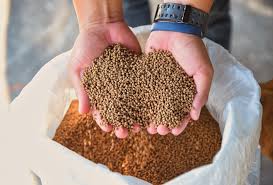
Fine brown to dark brown powder
Characteristic fish aroma
Low moisture content
Uniform particle size
High protein concentration
Minimal contamination or impurities
Tabulated Specification of Fish Meal
Specification
Details
Product Name
Fish Meal
Scientific Sources
Engraulis ringens, Sardinops sagax
Product Type
Protein-rich animal feed ingredient
Processing Method
Cooking, pressing, drying, grinding
Appearance
Brown to dark brown powder
Protein Content
Typically 55%–72% depending on grade
Moisture Content
Low for preservation
Texture
Fine powder or granulated meal
Odor
Characteristic fish aroma
Shelf Life
6–12 months under proper storage
Storage Conditions
Cool, dry, ventilated environment
Packaging
Polypropylene bags, bulk sacks
Main Applications
Aquaculture, poultry, livestock feed
Traceability
Fishery and production batch records
Uses of Fish Meal
Fish meal is widely used in animal nutrition and industrial sectors:
1. Aquaculture Feed
A major ingredient in feed for:
Salmon
Tilapia
Shrimp
Catfish
Provides highly digestible protein and omega-3 nutrients.
2. Poultry Feed
Used in chicken feed to support:
Growth
Egg production
Feed efficiency
3. Pig Feed
Improves protein quality and growth performance in swine diets.
4. Pet Food Industry
Added to pet foods for protein and flavor enhancement.
5. Livestock Nutrition
Used in specialized feed formulations for cattle and other livestock.
Nutritional Composition
Fish meal is rich in essential nutrients including:
High-quality protein
Essential amino acids
Omega-3 fatty acids
Calcium and phosphorus
Vitamins B complex and D
Trace minerals such as selenium and iodine
Its nutritional profile makes it one of the most effective feed protein sources.
Benefits of Fish Meal in Animal Nutrition
Fish meal offers numerous advantages:
1. High Digestibility
Animals efficiently utilize its protein and nutrients.
2. Improved Growth Performance
Supports rapid weight gain and feed conversion.
3. Enhanced Immune Function
Nutrients contribute to animal health and disease resistance.
4. Better Reproductive Performance
Improves breeding and egg production in some species.
5. Superior Feed Palatability
Fish meal enhances feed taste and acceptance.
Economic Importance
Fish meal is economically valuable because it:
Supports global aquaculture expansion
Adds value to fisheries by-products
Creates employment in processing industries
Generates export revenue for producing countries
Enhances productivity in animal agriculture
It is one of the most important protein ingredients in commercial feed manufacturing.
Environmental Considerations
Fish meal production involves important sustainability issues:
Alternative protein sources are being explored to reduce pressure on marine resources
Certified sustainable fish meal production is increasingly important in international markets.
Storage and Handling Guidelines
To maintain quality and prevent spoilage:
Store in cool, dry conditions
Protect from moisture and humidity
Use proper ventilation in storage facilities
Avoid contamination by pests and rodents
Rotate stock using first-in, first-out systems
Proper storage prevents mold growth and nutrient degradation.
Quality Control Standards
High-quality fish meal must meet:
Protein and nutrient specifications
Low moisture content
Absence of harmful contaminants and toxins
Safe microbial levels
Proper processing and hygienic handling
Traceability and feed safety compliance
Conclusion
Fish meal is one of the most important protein-rich feed ingredients used in modern animal agriculture and aquaculture industries. Produced from fish species such as Engraulis ringens and Sardinops sagax, fish meal provides highly digestible protein, essential amino acids, and valuable nutrients that support animal growth and productivity.
Its extensive use in aquaculture, poultry, livestock, and pet food industries highlights its global economic significance and nutritional value. Through efficient utilization of marine resources and fish-processing by-products, fish meal contributes to sustainable food production systems worldwide.
In essence, fish meal is not just a feed ingredient—it is a critical nutritional resource that supports global livestock production, aquaculture development, and efficient utilization of marine resources.