Semolina – Premium Durum Wheat Product for Food Processing and Culinary Applications
Introduction
Semolina is a high-quality coarse flour produced primarily from durum wheat and widely recognized for its rich nutritional value, versatility, and importance in global food industries. It is one of the most essential grain-based ingredients used in the production of pasta, couscous, baked goods, breakfast cereals, puddings, and numerous traditional and modern food products. Due to its unique texture, golden appearance, and excellent cooking properties, semolina remains a highly demanded product in both domestic and international markets.
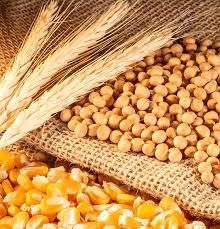
Durum wheat, scientifically known as Triticum durum, is the primary raw material used in semolina production. This wheat variety is highly valued for its hard texture, high protein content, and strong gluten structure, which contribute to semolina’s superior quality and functionality in food manufacturing. Durum wheat is cultivated extensively in regions with favorable climatic conditions including Europe, North America, the Middle East, North Africa, and parts of Asia.
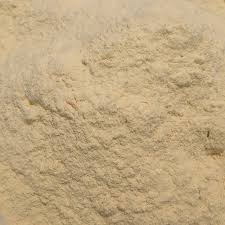
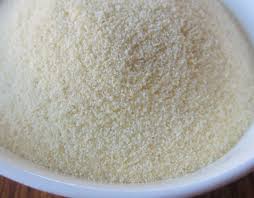
Semolina is characterized by its coarse granules, pale yellow or golden color, and slightly nutty flavor. It is produced through a controlled milling process where durum wheat kernels are cleaned, conditioned, milled, and sifted to separate the coarse endosperm particles from bran and finer flour. The resulting product possesses excellent cooking stability and texture, making it ideal for pasta and specialty food production.
Nutritionally, semolina is rich in carbohydrates, proteins, vitamins, and minerals essential for energy production and balanced nutrition. It contains moderate dietary fiber levels and serves as an excellent source of plant-based energy. The relatively high protein content of semolina contributes to the firm texture and elasticity required in pasta and dough preparation.
Semolina plays an important role in many culinary traditions around the world. In Mediterranean, Middle Eastern, African, and Asian cuisines, semolina is used to prepare pasta, couscous, porridge, desserts, breads, and specialty dishes. Its versatility allows it to be incorporated into both savory and sweet recipes, making it a valuable ingredient for households, restaurants, bakeries, and food-processing industries.
The global demand for semolina continues to increase due to rising consumption of pasta products, convenience foods, and grain-based meals. Modern food manufacturers rely on premium semolina because of its processing performance, nutritional value, and consumer acceptance. In addition, semolina is increasingly used in health-conscious food products due to its nutrient profile and satiety benefits.
Premium-quality semolina is produced under strict hygienic and quality-controlled conditions to ensure purity, freshness, and food safety. Proper storage and moisture management help maintain product stability and shelf life during transportation and long-term storage.
Today, semolina remains one of the most valuable grain-based food ingredients supporting food industries, culinary traditions, and global agricultural trade.
Product Definition
Semolina is a coarse flour obtained from the endosperm of durum wheat (Triticum durum) through a controlled milling and sifting process. It is characterized by its granular texture, pale yellow color, and high protein content, making it suitable for pasta production, baking, cooking, and food processing applications.
Semolina is supplied in various grades and particle sizes depending on industrial requirements, culinary applications, and market demand.
Product Features
1. High Protein Content
Semolina contains relatively high protein levels that contribute to dough strength, elasticity, and cooking stability.
2. Premium Texture
The coarse granular structure of semolina provides desirable texture in pasta, couscous, and baked products.
3. Rich Nutritional Value
Semolina contains carbohydrates, proteins, vitamins, minerals, and moderate dietary fiber essential for balanced nutrition.
4. Versatile Culinary Applications
The product is widely used in pasta manufacturing, baking, porridge preparation, desserts, and specialty foods.
5. Excellent Cooking Performance
Semolina maintains firmness and texture during cooking, making it ideal for pasta and dough-based products.
6. Long Shelf Stability
Properly stored semolina retains freshness and quality over extended storage periods.
Tabulated Product Specifications
| Parameter |
Specification |
| Product Name |
Semolina |
| Scientific Name |
Triticum durum |
| Product Type |
Coarse Wheat Flour |
| Color |
Pale Yellow / Golden |
| Texture |
Granular / Coarse |
| Moisture Content |
Maximum 14% |
| Purity |
98% Minimum |
| Protein Content |
11% – 15% |
| Carbohydrate Content |
65% – 75% |
| Fiber Content |
2% – 5% |
| Fat Content |
1% – 3% |
| Shelf Life |
12 – 24 Months |
| Packaging |
PP Bags / Laminated Bags |
| Packaging Sizes |
1kg, 5kg, 10kg, 25kg, 50kg |
| Storage Condition |
Cool and Dry Place |
| Main Applications |
Pasta, Baking, Cooking |
| Quality Grade |
Premium Food Grade |
| Origin |
Durum Wheat Cultivation |
Nutritional Composition
Semolina provides essential nutrients important for healthy living and energy production.
Carbohydrates
Semolina is rich in carbohydrates that provide sustained energy for daily activities and physical performance.
Protein
The product contains high-quality plant proteins important for body maintenance and muscle development.
Dietary Fiber
Moderate fiber levels contribute to healthy digestion and improved metabolism.
Vitamins
Semolina contains B-complex vitamins that support metabolism and nervous system function.
Minerals
Essential minerals including iron, magnesium, phosphorus, selenium, and potassium are naturally present in semolina.
Uses of Semolina
1. Pasta Manufacturing
Semolina is one of the most important raw materials used in pasta production because of its strong gluten structure and cooking stability.
Pasta Products
- Spaghetti
- Macaroni
- Noodles
- Penne
- Lasagna
- Vermicelli
Its high protein content helps maintain firm texture during cooking.
2. Couscous Production
Semolina is widely used in the production of couscous, a staple food in North African and Middle Eastern cuisines.
3. Baking Industry
Bakeries use semolina in producing bread, cakes, pastries, and specialty baked goods.
Bakery Applications
- Bread
- Pizza dough
- Cakes
- Pastries
- Biscuits
Semolina contributes texture, flavor, and structure in baked products.
4. Porridge and Breakfast Foods
Semolina is commonly prepared as porridge and breakfast cereal in many cultures worldwide.
5. Dessert Preparation
The product is used in making puddings, sweet pastries, halva, and traditional desserts.
6. Food Processing Industry
Food manufacturers utilize semolina in instant meals, processed foods, and packaged grain products.
Production and Processing
The quality of semolina depends on proper wheat selection and advanced milling techniques.
Durum Wheat Selection
Premium durum wheat grains are selected for semolina production to ensure high protein content and grain quality.
Cleaning
The wheat undergoes cleaning to remove impurities, stones, dust, and foreign materials.
Conditioning
The grains are conditioned with controlled moisture to improve milling performance.
Milling
Modern milling systems separate the endosperm from bran and germ to produce coarse semolina granules.
Sieving
The product is sieved and graded according to particle size and quality specifications.
Packaging
Finished semolina is packaged hygienically to preserve freshness and prevent contamination.
Quality Assurance
Premium semolina undergoes strict quality control procedures to ensure product consistency, purity, and food safety.
Quality assurance measures include:
- Selection of premium durum wheat
- Hygienic processing procedures
- Moisture testing
- Protein analysis
- Granule size control
- Impurity removal
- Packaging inspection
- Food safety compliance
- Storage monitoring
These procedures help maintain superior product quality and customer satisfaction.
Packaging and Storage
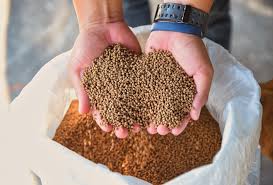
Semolina is packaged using durable moisture-resistant materials designed to protect quality during transportation and storage.
Common packaging options include:
- Laminated pouches
- Polypropylene bags
- Paper sacks
- Bulk packaging containers
Recommended storage conditions include:
- Cool and dry environment
- Proper ventilation
- Protection from moisture
- Avoidance of direct sunlight
- Pest-free storage conditions
- Elevated pallet storage
Proper storage practices help maintain freshness and extend shelf life.
Advantages of Semolina
Excellent Nutritional Value
Semolina provides carbohydrates, proteins, vitamins, and minerals essential for balanced diets.
Superior Cooking Stability
The product maintains firmness and texture during cooking and food processing.
Broad Culinary Applications
Semolina supports pasta production, baking, desserts, breakfast foods, and specialty cuisines.
High Commercial Demand
The global demand for pasta and grain-based foods continues to strengthen semolina’s market importance.
Industrial Importance
Semolina remains an essential raw material for food-processing industries worldwide.
Export Importance
Semolina is an internationally traded food ingredient with strong demand in food manufacturing and retail sectors worldwide.
Export-quality semolina must comply with international standards regarding:
- Moisture content
- Product purity
- Protein levels
- Granule consistency
- Packaging quality
- Food safety compliance
Reliable suppliers ensure:
- Consistent product quality
- Hygienic processing
- Competitive pricing
- Timely delivery
- Secure packaging
- Compliance with export standards
These factors contribute to long-term customer trust and successful international trade relationships.
Conclusion
Semolina remains one of the most valuable grain-based food ingredients due to its nutritional richness, versatility, and superior processing characteristics. Produced primarily from premium durum wheat, semolina plays a vital role in pasta manufacturing, baking, couscous production, desserts, and numerous traditional and modern food applications.
Premium-quality semolina is carefully processed, graded, and packaged to maintain purity, freshness, and food safety standards. Its high protein content, excellent cooking performance, and broad culinary applications continue to make semolina an essential ingredient for households, restaurants, bakeries, food manufacturers, wholesalers, and exporters worldwide.
As global demand for pasta products, convenience foods, and nutritious grain ingredients continues to rise, semolina remains a trusted and commercially valuable product supporting food industries, agricultural development, and international trade across global markets.