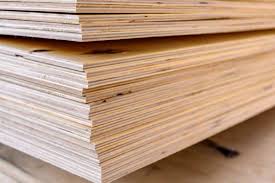
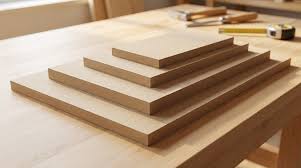
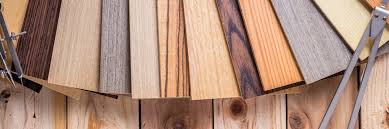
Veneers are thin slices or sheets of natural wood that are peeled, sliced, or rotary-cut from logs and then applied onto core panels such as plywood, MDF, particleboard, or other wooden substrates to create decorative, durable, and high-quality surfaces. Veneers are widely used in furniture manufacturing, interior decoration, cabinetry, architectural finishing, doors, and luxury woodworking applications.
Veneers allow manufacturers to achieve the appearance of solid wood while using less timber, making them both cost-effective and environmentally efficient. They are especially valued for their ability to showcase rare, expensive, or visually attractive wood grains on large surfaces without the need for solid hardwood throughout the product.
Because of their beauty, versatility, and efficiency, veneers are essential materials in modern wood-based industries and interior design markets.
Definition of Veneers
Wood veneers are thin layers of wood—typically less than 3 mm thick—produced by cutting or peeling logs and used as decorative or functional surface coverings.
Common wood species used in veneer production include:
These species are selected for their attractive grain patterns, color richness, and finishing qualities.
Types of Veneers
1. Rotary-Cut Veneers
Produced by peeling logs in a continuous sheet
Common and cost-effective
Used in plywood and large panel production
2. Sliced Veneers
Cut from logs using slicing machines
Produces decorative and high-quality grain patterns
3. Quarter-Cut Veneers
Logs are cut at a 90-degree angle
Produces straight and uniform grain patterns
4. Rift-Cut Veneers
Special cutting method for tight and linear grain appearance
Common in oak veneers
5. Burl Veneers
Made from irregular growth patterns
Highly decorative and used in luxury furniture
Physical Characteristics of Veneers
Veneers have unique physical properties:
Extremely thin wood sheets
Natural grain and color preserved
Flexible before bonding
Smooth surface suitable for finishing
Lightweight and easy to handle
Highly decorative appearance
Despite their thinness, veneers retain the natural beauty of solid wood.
Manufacturing Process of Veneers
The production of veneers involves several key stages:
1. Log Selection
High-quality logs with attractive grain patterns are selected.
2. Conditioning
Logs are soaked or steamed to soften the wood.
3. Peeling or Slicing
Logs are cut into thin sheets using rotary or slicing machines.
4. Drying
Veneer sheets are dried to reduce moisture content.
5. Sorting and Grading
Sheets are graded based on color, grain, and quality.
6. Matching and Joining
Sheets may be joined to form larger decorative panels.
7. Packaging
Finished veneers are bundled for transport and sale.
Tabulated Specification of Veneers
Specification
Details
Product Name
Wood Veneers
Common Species
Tectona grandis, Swietenia macrophylla
Product Type
Thin wood sheets
Thickness Range
Approximately 0.3 mm – 3 mm
Production Methods
Rotary-cut, sliced, quarter-cut, rift-cut
Surface Appearance
Natural wood grain
Core Application
Furniture, plywood, MDF, doors, interior panels
Flexibility
High (before bonding)
Durability
Depends on substrate and finish
Adhesive Use
Applied when bonding to core materials
Workability
Easy to cut, glue, and finish
Storage Conditions
Dry, flat, and moisture-free environment
Packaging
Bundled sheets or rolls
Traceability
Forestry and manufacturing documentation
Uses of Veneers
Veneers are widely used in various industries:
1. Furniture Manufacturing
Used for:
Cabinets
Tables
Wardrobes
Luxury furniture surfaces
Office furniture
2. Interior Decoration
Applied in:
Wall paneling
Ceiling designs
Decorative partitions
Interior doors
3. Doors and Architectural Panels
Used to enhance appearance and strength of core materials.
4. Plywood and Engineered Boards
Veneers are the main raw material in plywood production.
5. Luxury and Decorative Applications
Used in:
Yacht interiors
High-end hotels
Executive offices
Custom woodworking
Advantages of Veneers
1. Cost Efficiency
Provides the look of solid wood at a lower cost.
2. Aesthetic Appeal
Displays natural wood grain and patterns beautifully.
3. Resource Efficiency
Maximizes use of timber logs with minimal waste.
4. Design Flexibility
Available in many species, colors, and patterns.
5. Lightweight Construction
Reduces weight of finished products.
Economic Importance
Veneers contribute significantly to the timber and furniture industries by:
Supporting large-scale furniture manufacturing
Reducing demand for solid hardwood
Increasing value from a single log
Creating employment in woodworking industries
Supporting global trade in decorative wood products
They are essential in modern engineered wood production systems.
Environmental Considerations
Sustainable veneer production involves:
Efficient use of logs (maximum yield per tree)
Reduced deforestation pressure
Use of plantation-grown timber
Recycling of wood residues
Certified sustainable forestry practices
Veneers promote better utilization of natural resources.
Storage and Handling Guidelines
To maintain quality:
Store in dry, flat conditions
Avoid moisture exposure and humidity
Prevent bending or cracking
Handle carefully to avoid tearing
Keep away from direct sunlight
Proper storage ensures usability and appearance quality.
Quality Control Standards
High-quality veneers must meet:
Uniform thickness standards
Color and grain consistency
Moisture content control
Surface smoothness
Adhesion compatibility
Sustainable sourcing certification
Conclusion
Veneers are essential decorative wood materials widely used in furniture manufacturing, interior design, plywood production, and luxury woodworking. Produced from species such as Tectona grandis, Swietenia macrophylla, and Juglans regia, veneers provide a cost-effective and sustainable way to achieve the appearance of solid wood.
Their ability to combine natural beauty with efficient resource use makes them a vital component of modern wood-based industries. As demand for eco-friendly and high-quality interior materials continues to grow, veneers remain an indispensable solution in global furniture and construction markets.
In essence, veneers are not just thin wood sheets—they are high-value decorative solutions that transform raw timber into elegant, sustainable, and versatile finished products used across the world.