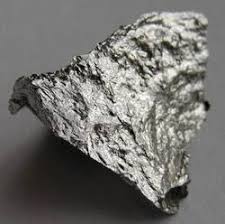
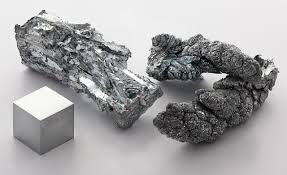
Zinc ore is a naturally occurring mineral resource from which zinc metal is extracted. Zinc is an essential industrial metal widely used for galvanizing steel, producing alloys, batteries, and chemicals. It plays a major role in preventing corrosion and extending the lifespan of steel structures.
Zinc ores are mined from the earth and processed to obtain concentrated zinc for industrial and commercial applications.
Definition of Zinc Ore
Zinc ore refers to rock or mineral deposits that contain economically valuable concentrations of zinc. These ores are processed through mining and refining to extract zinc metal or zinc compounds.
Zinc commonly occurs in nature combined with sulfur, oxygen, or carbonate ions.
Main Zinc Ore Minerals
1. Sphalerite (Primary Zinc Ore)
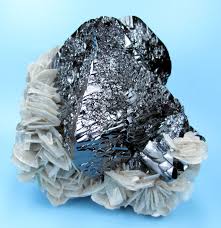
Sphalerite
Most important and abundant zinc ore
Brown, black, or yellow coloration
High zinc content
Primary source of commercial zinc production
2. Smithsonite
Smithsonite
Secondary zinc ore
Often green, blue, or white
Found in weathered zinc deposits
3. Hemimorphite
Hemimorphite
Silicate form of zinc ore
Blue, white, or colorless crystals
Used in lower-grade zinc production
4. Zincite
Zincite
Rare natural zinc oxide
Red or orange color
Found in limited deposits
Physical and Chemical Characteristics of Zinc Ore
Zinc ores typically have:
Metallic to earthy appearance
Colors ranging from brown, black, yellow, blue, or white
Moderate to high density
Variable zinc content depending on ore type
Presence of sulfur, carbonate, or silicate compounds
Poor electrical conductivity in ore form
Insoluble in water
Formation of Zinc Ore
Zinc ore deposits form through geological processes such as:
1. Hydrothermal Activity
Hot mineral-rich fluids deposit zinc in rock fractures
2. Sedimentary Processes
Zinc accumulates in layered sediment deposits
3. Weathering and Enrichment
Surface processes concentrate zinc in secondary ores
4. Metamorphic Processes
Heat and pressure alter existing zinc-bearing rocks
Extraction and Processing of Zinc Ore
1. Mining
Open-pit or underground mining depending on deposit depth
2. Crushing and Grinding
Ore is reduced into fine particles
3. Froth Flotation
Separates zinc minerals from waste rock
4. Roasting
Converts zinc sulfide into zinc oxide
5. Smelting
Zinc is extracted from ore using heat and chemical reduction
6. Electrolysis (Refining)
Produces high-purity zinc metal
Tabulated Specification of Zinc Ore
Specification
Details
Product Name
Zinc Ore
Main Minerals
Sphalerite, Smithsonite, Hemimorphite, Zincite
Chemical Composition
Zinc sulfide, carbonate, silicate, oxide forms
Color
Brown, black, yellow, blue, white
Zinc Content
Varies (~5% to 60% depending on ore type)
Hardness
Moderate
Density
Moderate to high
Solubility
Insoluble in water
Main Applications
Zinc metal production, galvanizing, alloys
Processing Methods
Mining, flotation, roasting, smelting, refining
Uses of Zinc (from Zinc Ore)
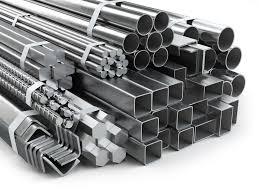
1. Galvanizing (Primary Use)
Coating steel to prevent rust
Used in construction, bridges, and vehicles
2. Alloy Production
Brass (copper + zinc)
Used in plumbing, fittings, and machinery
3. Battery Industry
Used in zinc-carbon and alkaline batteries
4. Chemical Industry
Production of zinc oxide and zinc sulfate
Used in rubber, paints, and fertilizers
5. Construction Industry
Roofing materials and protective coatings
Advantages of Zinc
1. Corrosion Resistance
Protects steel and metal structures from rust.
2. High Industrial Demand
Widely used in construction and manufacturing.
3. Versatile Applications
Used in alloys, chemicals, and energy storage.
4. Recyclable Material
Zinc can be recycled without quality loss.
5. Essential for Industry
Critical for infrastructure and industrial growth.
Economic Importance
Zinc ore is economically important because it:
Supports global steel galvanizing industries
Drives construction and infrastructure development
Creates mining and refining jobs
Supports manufacturing of alloys and chemicals
Plays a role in energy storage technologies
It is a key industrial metal in modern economies.
Environmental Considerations
Zinc mining and processing may involve:
Land disturbance and habitat disruption
Waste rock and tailings production
Air and water pollution risks
Mitigation strategies include:
Recycling galvanized steel
Wastewater treatment systems
Sustainable mining practices
Land rehabilitation programs
Storage and Handling Guidelines
To maintain quality:
Store in dry, covered areas
Prevent contamination with other ores
Use bulk handling equipment
Control dust during transport
Separate ore grades for processing efficiency
Conclusion
Zinc ore is an important natural resource composed of minerals such as sphalerite, smithsonite, hemimorphite, and zincite. It is the primary source of zinc metal, which is widely used for galvanizing steel, producing alloys, and manufacturing chemicals.
From preventing rust on bridges and buildings to enabling modern battery systems and industrial materials, zinc plays a vital role in infrastructure and manufacturing.
In essence, zinc ore is not just a mineral deposit—it is a critical industrial resource that protects metals, supports construction, and strengthens global industry.