LPG cylinders are pressurized containers used to store and transport Liquefied Petroleum Gas (LPG) safely for domestic, commercial, and industrial use. LPG is widely used for cooking, heating, and small-scale industrial energy needs due to its clean combustion and high energy efficiency.
LPG is primarily a mixture of propane and butane: Liquefied Petroleum Gas
Definition of LPG Cylinders
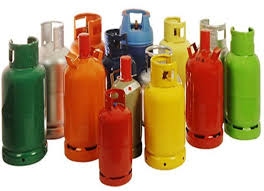
LPG cylinders are strong steel or composite containers designed to safely hold LPG under high pressure in liquid form. The gas inside remains liquid due to compression and vaporizes when released for use.
A standard storage container used in households is: LPG Cylinder
Types of LPG Cylinders
1. Domestic Cylinders
Used in households for cooking
Common sizes: 6kg, 12kg, 15kg, 24kg
2. Commercial Cylinders
Used in restaurants, hotels, bakeries
Larger capacity than domestic cylinders
3. Industrial Cylinders
Used in factories and large-scale operations
High-volume gas storage
4. Composite Cylinders
Made from fiber-reinforced materials
Lightweight and corrosion-resistant
5. Refillable Cylinders
Standard cylinders refilled at gas stations or distributors
Most commonly used type
Physical and Mechanical Characteristics
LPG cylinders are designed with:
High-strength steel or composite material
Thick walls to withstand high pressure
Safety valves and regulators
Leak-proof sealing systems
Corrosion-resistant coating
Standardized pressure ratings
Cylindrical shape for pressure distribution
How LPG Cylinders Work
LPG is stored as a liquid under pressure
When the valve opens, pressure drops
Liquid LPG vaporizes into gas
Gas flows to burner for combustion
Burns with a clean, controlled flame
Components of an LPG Cylinder System
Cylinder body (steel container)
Valve assembly
Pressure regulator
Rubber hose or pipe connection
Safety cap or seal
O-ring sealing system
Main Uses of LPG Cylinders
1. Domestic Cooking
Gas stoves and ovens
Household kitchens
2. Commercial Kitchens
Restaurants and hotels
Food processing businesses
3. Industrial Applications
Metal cutting and heating
Manufacturing processes
4. Agriculture
Crop drying systems
Greenhouse heating
5. Emergency and Backup Energy
Temporary heating and cooking solutions
Tabulated Specification of LPG Cylinders
Specification
Details
Product Name
LPG Cylinder
Stored Gas
Liquefied Petroleum Gas (propane/butane)
Container Material
Steel or composite materials
Pressure Type
High-pressure storage
State of Gas
Liquid (inside), gas (when released)
Capacity Range
6kg – 50kg+ (varies by type)
Safety Features
Valve, regulator, pressure control
Main Applications
Cooking, heating, industrial fuel
Advantages of LPG Cylinders
1. Clean Energy Source
Produces less smoke and soot than solid fuels.
2. High Energy Efficiency
Strong heat output for cooking and heating.
3. Portable
Easy to transport and replace.
4. Reliable Supply
Widely distributed and refillable.
5. Safe Design
Equipped with safety valves and pressure controls.
Economic Importance
LPG cylinders are important because they:
Support household energy needs worldwide
Reduce dependence on firewood and charcoal
Drive energy distribution industries
Support hospitality and food sectors
Improve urban and rural energy access
They are a key component of modern clean cooking energy systems.
Environmental Considerations
LPG is considered a cleaner fossil fuel, but still has impacts:
Emits carbon dioxide during combustion
Derived from fossil fuel refining
Requires safe handling to prevent leaks
Benefits include:
Lower pollution than wood or coal
Reduced indoor smoke exposure
More efficient combustion
Lower deforestation pressure
Storage and Handling Guidelines
To ensure safety:
Store cylinders upright in ventilated areas
Keep away from flames and heat sources
Avoid direct sunlight exposure
Regularly check for leaks
Use approved regulators and hoses
Do not tamper with cylinder valves
Conclusion
LPG cylinders are essential energy storage systems used to safely contain and distribute liquefied petroleum gas for cooking, heating, and industrial applications. The fuel inside, Liquefied Petroleum Gas Liquefied Petroleum Gas, provides efficient, clean, and convenient energy for millions of households and businesses worldwide.
From domestic kitchens to commercial industries, LPG cylinders play a vital role in modern energy access and everyday living.
In essence, LPG cylinders are not just gas containers—they are critical energy infrastructure that supports clean cooking, safety, and convenience in modern society.