Chickpeas – Premium Protein-Rich Pulse for Nutrition, Food Security, and Global Food Processing
Introduction
Chickpeas are one of the most widely consumed and economically important pulse crops in the world, valued for their high nutritional content, versatility, and role in sustainable agriculture. As a staple food in many regions, chickpeas contribute significantly to global food security, plant-based nutrition, and agricultural trade. They are consumed across Asia, the Middle East, the Mediterranean, Africa, and increasingly in Western countries where demand for plant-based protein sources continues to grow.
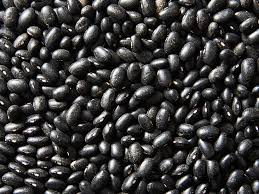
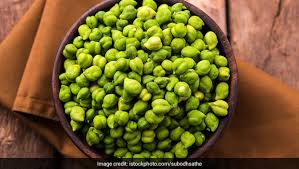
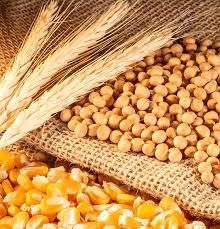
Scientifically known as Cicer arietinum, chickpeas belong to the legume family Fabaceae. The crop has been cultivated for thousands of years and is considered one of the earliest domesticated legumes in human history. Chickpeas are characterized by their round shape, firm texture, and beige, green, black, or brown seed colors depending on the variety. The two most common types are Desi chickpeas, which are smaller and darker, and Kabuli chickpeas, which are larger, lighter, and smoother.
Chickpeas are highly valued for their dense nutritional composition. They are rich in plant-based protein, complex carbohydrates, dietary fiber, vitamins, and essential minerals. This makes them an excellent dietary staple for vegetarians, vegans, and health-conscious consumers seeking balanced nutrition without reliance on animal products. Their low glycemic index also makes them suitable for blood sugar management and healthy diet planning.
Beyond their nutritional benefits, chickpeas are extremely versatile in culinary applications. They are used in soups, stews, curries, salads, snacks, flour production, and processed food items. Popular global foods such as hummus, falafel, and roasted chickpea snacks are made primarily from chickpeas, demonstrating their widespread acceptance in modern diets.
In agriculture, chickpeas are considered environmentally beneficial crops. They are drought-tolerant, require relatively low agricultural inputs, and improve soil fertility through nitrogen fixation. This makes them important crops in sustainable farming systems, particularly in semi-arid and rain-fed agricultural regions.
With the rising global demand for plant-based proteins and sustainable food systems, chickpeas continue to gain importance in both domestic consumption and international trade. They serve as essential commodities for food manufacturers, wholesalers, exporters, and consumers worldwide.
Product Definition
Chickpeas are edible pulse seeds obtained from the chickpea plant (Cicer arietinum), cultivated primarily for human consumption, food processing, and agricultural applications. They are nutrient-dense legumes known for their high protein content, digestibility, versatility, and contribution to balanced diets and sustainable farming systems.
Chickpeas are supplied in whole dried seeds, split forms, flour, roasted products, canned products, or processed food ingredients depending on market demand and industrial usage.
Product Features
1. High Plant-Based Protein Source
Chickpeas provide substantial protein content, making them essential for vegetarian and vegan diets.
2. Rich Nutritional Composition
They contain carbohydrates, fiber, vitamins, minerals, and antioxidants that support healthy body functions.
3. Low Glycemic Index
Chickpeas release energy slowly, helping in blood sugar regulation and sustained energy supply.
4. Versatile Food Applications
They are used in traditional meals, modern processed foods, snacks, and flour-based products.
5. Sustainable Agricultural Crop
Chickpeas improve soil fertility through nitrogen fixation and support environmentally friendly farming systems.
6. Long Shelf Stability
Properly dried chickpeas maintain quality and freshness during long-term storage and transportation.
Tabulated Product Specifications
| Parameter |
Specification |
| Product Name |
Chickpeas |
| Scientific Name |
Cicer arietinum |
| Product Type |
Edible Pulse / Legume |
| Seed Type |
Desi / Kabuli |
| Seed Color |
Beige / Yellow / Brown / Black / Green |
| Shape |
Round / Angular |
| Moisture Content |
Maximum 13% |
| Purity |
98% Minimum |
| Protein Content |
18% – 24% |
| Carbohydrate Content |
55% – 65% |
| Fiber Content |
10% – 15% |
| Fat Content |
3% – 6% |
| Foreign Matter |
1% Maximum |
| Damaged Seeds |
2% Maximum |
| Shelf Life |
12 – 24 Months |
| Packaging |
PP Bags / Jute Bags / Bulk |
| Packaging Sizes |
1kg, 5kg, 25kg, 50kg |
| Storage Condition |
Cool and Dry Place |
| Main Applications |
Food, Feed, Processing |
| Quality Grade |
Premium Export Grade |
| Origin |
Farm Cultivated |
Nutritional Composition
Chickpeas offer a rich nutrient profile essential for balanced diets and healthy living.
Protein
Chickpeas are an excellent source of plant protein that supports muscle development, tissue repair, and overall body maintenance.
Carbohydrates
They contain complex carbohydrates that provide steady energy release and improved endurance.
Dietary Fiber
High fiber content supports digestion, gut health, and cholesterol management.
Vitamins
Chickpeas contain important vitamins such as:
- Vitamin B6
- Folate
- Vitamin B1 (Thiamine)
- Vitamin K
Minerals
Essential minerals found in chickpeas include:
- Iron
- Magnesium
- Potassium
- Phosphorus
- Zinc
- Calcium
Antioxidants
Chickpeas contain beneficial plant compounds that help protect the body from oxidative stress.
Uses of Chickpeas
1. Human Consumption
Chickpeas are widely consumed in traditional and modern diets across the world.
Common Food Products
- Hummus
- Falafel
- Curries
- Soups
- Stews
- Roasted snacks
- Salads
- Chickpea flour (besan)
- Traditional dishes
Their nutty flavor and firm texture make them suitable for a wide range of recipes.
2. Food Processing Industry
Chickpeas are widely used in processed and packaged food production.
Processed Applications
- Gluten-free flour blends
- Protein-enriched foods
- Snack products
- Bakery ingredients
- Instant meals
- Meat substitutes
- Health foods
3. Health and Nutrition Products
Chickpeas are commonly included in health-focused diets due to their balanced nutrition.
Health Applications
- Weight management diets
- Diabetic-friendly foods
- High-fiber nutrition plans
- Vegan and vegetarian diets
4. Livestock Feed
Chickpea by-products and residues are used in animal nutrition systems.
Feed Applications
- Poultry feed supplements
- Cattle feed
- Goat and sheep feed
5. Sustainable Agriculture
Chickpeas improve soil fertility and reduce dependence on chemical fertilizers through nitrogen fixation.
Cultivation and Processing
The quality of chickpeas depends on proper farming practices and post-harvest handling.
Land Preparation
Farmers prepare well-drained soils suitable for chickpea cultivation.
Planting
Quality seeds are planted under appropriate climatic conditions for optimal growth.
Crop Management
Weed control, pest management, and irrigation practices improve yield and quality.
Harvesting
Chickpeas are harvested when pods reach full maturity to ensure maximum seed quality.
Drying
The harvested pods are dried carefully to reduce moisture content and prevent spoilage.
Cleaning and Grading
Seeds are cleaned, sorted, and graded to remove impurities and damaged grains.
Packaging
Processed chickpeas are packaged under hygienic conditions to maintain freshness and safety.
Quality Assurance
Premium chickpeas undergo strict quality control processes to ensure safety, purity, and nutritional integrity.
Quality assurance measures include:
- Selection of high-quality seed varieties
- Controlled agricultural practices
- Moisture testing
- Impurity removal
- Nutritional analysis
- Contamination control (including aflatoxin checks)
- Packaging inspection
- Storage monitoring
- Export compliance standards
These processes ensure consistent product quality and consumer confidence.
Packaging and Storage
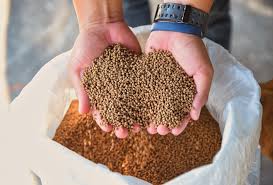
Chickpeas are packaged using durable moisture-resistant materials designed to protect quality during transportation and storage.
Common packaging options include:
- Polypropylene bags
- Jute sacks
- Laminated pouches
- Bulk containers
Recommended storage conditions include:
- Cool and dry environment
- Protection from moisture
- Proper ventilation
- Pest-free storage area
- Low humidity conditions
- Elevated pallet storage
Proper storage ensures long shelf life and preserves nutritional value.
Advantages of Chickpeas
High Nutritional Value
Chickpeas provide protein, fiber, vitamins, and minerals essential for healthy diets.
Affordable Protein Source
They serve as cost-effective alternatives to animal protein.
Wide Culinary Applications
Chickpeas are suitable for traditional foods, snacks, and processed products.
Sustainable Farming Benefits
They improve soil fertility and support eco-friendly agriculture.
Strong Global Demand
Increasing demand for plant-based proteins continues to expand chickpea markets worldwide.
Export Importance
Chickpeas are globally traded agricultural commodities with strong demand in food manufacturing and retail industries.
Export-quality chickpeas must meet international standards regarding:
- Moisture content
- Seed purity
- Packaging quality
- Food safety regulations
- Contamination limits
- Uniform grain size
Reliable suppliers ensure:
- Consistent product quality
- Hygienic processing
- Competitive pricing
- Timely delivery
- Bulk supply capability
- Secure packaging
These factors strengthen international trade relationships and market competitiveness.
Conclusion
Chickpeas remain one of the most important pulse crops in global agriculture due to their high nutritional value, versatility, affordability, and contribution to sustainable farming systems. Their rich protein content, dietary fiber, and essential nutrients make them vital for healthy diets, food processing, and plant-based nutrition trends.
Premium-quality chickpeas are carefully cultivated, processed, and packaged to maintain purity, freshness, and nutritional integrity. From traditional dishes like hummus and curries to modern protein-rich snacks and flour-based products, chickpeas continue to support global food security, agricultural development, and economic growth.
As worldwide demand for sustainable protein sources and nutritious legumes continues to rise, chickpeas remain essential commodities for farmers, exporters, food manufacturers, and consumers across international markets.