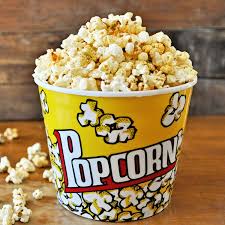
Popcorn is a light, crispy snack food produced by heating special varieties of corn kernels until the moisture inside the kernels expands and causes them to burst or “pop.” The resulting product is a fluffy, edible snack with a distinctive texture and pleasant aroma. Popcorn can be consumed plain or flavored with ingredients such as salt, butter, cheese, caramel, chocolate, spices, and various seasonings.
Recognized as one of the world’s most popular snack foods, popcorn is valued for its convenience, versatility, affordability, and enjoyable eating experience. It is widely consumed in homes, cinemas, schools, sporting events, recreational facilities, and commercial food establishments.
Introduction
Popcorn is one of the oldest and most widely consumed snack foods in the world. Its origins can be traced back thousands of years, with evidence suggesting that indigenous communities in the Americas cultivated and consumed popcorn long before modern civilization. Over time, popcorn evolved from a traditional food product into a global snack industry that serves millions of consumers every day.
The uniqueness of popcorn lies in its production process. Unlike ordinary corn varieties, popcorn kernels contain a hard outer shell and a small amount of moisture inside. When heated, the moisture turns into steam, building pressure within the kernel until it bursts open and transforms into a fluffy, expanded snack. This natural popping process gives popcorn its characteristic appearance and texture.
Today, popcorn is enjoyed in numerous forms and flavors. Traditional salted popcorn remains highly popular, while flavored varieties such as butter popcorn, caramel popcorn, cheese popcorn, spicy popcorn, chocolate-coated popcorn, and gourmet popcorn continue to attract consumers seeking diverse taste experiences. Innovations in flavoring and packaging have significantly expanded the market potential of popcorn products.
One of the reasons for popcorn’s popularity is its versatility. It can be prepared using different methods, including hot-air popping, microwave cooking, stovetop popping, and industrial processing. Additionally, popcorn is often perceived as a lighter snack option compared to many fried snack products, making it appealing to health-conscious consumers.
The global popcorn market continues to grow due to increasing demand for convenient snack foods, changing lifestyles, and expanding entertainment industries. Whether consumed during movie nights, social gatherings, travel, or casual snacking, popcorn remains a favorite choice among people of all ages.
Typically 6–12 months depending on packaging and formulation
Packaging Type
Pouches, sachets, tubs, cartons, microwave bags, and bulk containers
Storage Conditions
Store in a cool, dry place away from moisture and direct sunlight
Nutritional Value
Source of carbohydrates, dietary fiber, and energy
Consumption Method
Ready-to-eat or prepared before consumption
Target Consumers
Children, teenagers, and adults
Quality Standards
Manufactured according to food safety regulations
Allergen Information
May contain milk, soy, or other allergens depending on flavorings
Portability
Highly portable and convenient
Market Availability
Supermarkets, cinemas, convenience stores, online retailers, and specialty shops
Features of Popcorn
1. Unique Popping Process
Popcorn is produced through a natural expansion process that transforms corn kernels into light and fluffy snacks.
2. Light and Crispy Texture
Its airy structure provides a pleasant crunch while remaining relatively light compared to many other snack products.
3. Wide Variety of Flavors
Popcorn is available in numerous flavor profiles ranging from traditional salted varieties to gourmet specialty options.
4. Versatile Preparation Methods
Consumers can prepare popcorn using microwaves, stovetops, air poppers, or commercial equipment.
5. Appealing Aroma
Freshly popped popcorn produces a distinctive aroma that contributes significantly to its popularity.
6. Convenient Consumption
Ready-to-eat popcorn requires no preparation and can be enjoyed immediately.
7. Broad Consumer Appeal
Popcorn is consumed by individuals of all age groups and cultural backgrounds.
Manufacturing Process
The production of popcorn involves several carefully managed stages to ensure product quality and consistency.
Kernel Selection
Special popcorn varieties are selected based on moisture content, kernel integrity, and popping performance.
Cleaning
The kernels are cleaned to remove impurities, dust, and foreign materials.
Moisture Conditioning
The moisture level of the kernels is carefully maintained to achieve optimal popping efficiency.
Popping
Kernels are heated using air, oil, microwave energy, or industrial equipment until they pop and expand.
Flavoring and Seasoning
Salt, butter, sugar, cheese powder, spices, or other flavorings are applied to enhance taste.
Cooling
The popcorn is cooled to stabilize texture and prevent condensation.
Packaging
Finished popcorn is packaged in moisture-resistant and oxygen-barrier materials to preserve freshness and crispness.
Types of Popcorn
Salted Popcorn
The most traditional variety, seasoned lightly with salt to enhance natural flavor.
Butter Popcorn
Coated with butter or butter-flavored ingredients to create a rich and savory taste.
Caramel Popcorn
Covered with a sweet caramel coating that provides a crunchy and indulgent texture.
Cheese Popcorn
Seasoned with cheese powders or cheese-flavored ingredients for a savory snack experience.
Chocolate Popcorn
Coated or drizzled with chocolate for a sweet confectionery-style product.
Spicy Popcorn
Flavored with chili, pepper, barbecue, or spice blends to create a bold taste profile.
Gourmet Popcorn
Produced using premium ingredients, unique flavor combinations, and specialized preparation techniques.
Microwave Popcorn
Packaged in microwaveable bags that allow convenient preparation at home or in offices.
Uses of Popcorn
1. Everyday Snacking
Popcorn is commonly consumed as a light snack between meals.
2. Cinema and Entertainment Consumption
Popcorn is closely associated with movie theaters, home entertainment, and sporting events.
3. Social Gatherings
It is frequently served at parties, family events, celebrations, and community gatherings.
4. Travel Snack
Its portability makes popcorn a suitable option for road trips, flights, and outdoor activities.
5. School and Office Refreshments
Convenient packaging allows popcorn to be enjoyed during breaks and lunch periods.
6. Hospitality Services
Hotels, lounges, and event venues often offer popcorn as a complimentary snack.
7. Catering Applications
Popcorn is included in catering services for corporate events, exhibitions, and entertainment functions.
8. Fundraising Activities
Many schools and organizations sell popcorn as part of fundraising campaigns.
9. Gift Products
Premium popcorn varieties are packaged in decorative containers for gifting purposes.
10. Retail Distribution
Popcorn is widely sold through supermarkets, convenience stores, cinemas, and online marketplaces.
Advantages of Popcorn
Convenient and Ready-to-Eat
Popcorn can be consumed immediately without extensive preparation.
Cost-Effective Production
Corn is widely cultivated, making popcorn production relatively economical.
Broad Consumer Acceptance
Popcorn enjoys widespread popularity across different age groups and cultures.
Product Versatility
Manufacturers can create numerous flavor combinations and packaging formats.
Long Shelf Life
Proper packaging helps maintain freshness and texture over extended periods.
Strong Market Demand
Growing demand for convenient snack foods continues to support market expansion.
Quality Considerations
To maintain high-quality popcorn products, manufacturers focus on:
Selecting premium popcorn kernels
Maintaining proper moisture content
Controlling popping temperatures
Ensuring even seasoning distribution
Following hygienic processing standards
Using protective packaging materials
Conducting regular quality inspections
Complying with food safety regulations
These measures contribute to product consistency, freshness, and consumer satisfaction.
Market Demand and Consumer Trends
The global popcorn market continues to experience growth due to changing consumer lifestyles and increasing demand for convenient snack foods. Current trends include:
Low-fat and air-popped popcorn
Organic popcorn products
Gourmet and premium flavors
Reduced-sodium options
Natural ingredient formulations
Sustainable packaging solutions
Ready-to-eat convenience products
Functional snack innovations
Consumers increasingly seek snacks that combine enjoyable taste, convenience, and perceived nutritional benefits, positioning popcorn as a strong competitor in the global snack industry.
Conclusion
Popcorn is a versatile, flavorful, and widely enjoyed snack food made from specially selected corn kernels that expand when heated. Its unique production process, light texture, appealing aroma, and variety of flavors have made it a favorite snack among consumers worldwide.
Suitable for everyday snacking, entertainment events, travel, hospitality services, and retail distribution, popcorn offers significant value to both consumers and manufacturers. Its adaptability to different flavor profiles and preparation methods has enabled continuous innovation within the industry.
As demand for convenient, enjoyable, and diverse snack options continues to grow, popcorn remains a leading product in the global snack food market. Its combination of tradition, versatility, affordability, and consumer appeal ensures its continued popularity for years to come.