


Fast delivery within 72 Hours

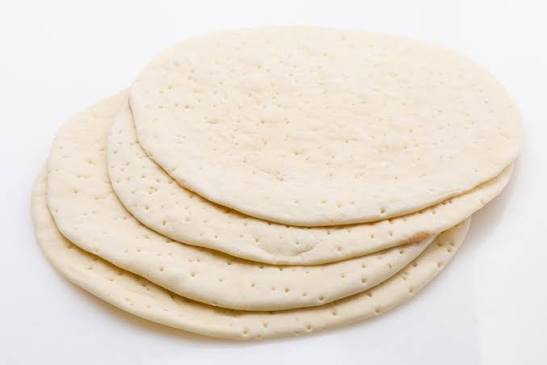
Pizza bases
Contact Supplier
Supplier: angrygoose340Phone: +1739496653
Email: visocig346@epaynine.com
Address: 8218 Eason Rd Anchorage, United States
Visit Supplier Store

Black Friday Blowout!
Description
Pizza Bases – Detailed Product Description
Introduction
Pizza bases are a fundamental component of one of the world’s most popular and widely consumed foods—pizza. Serving as the foundation upon which sauces, cheeses, vegetables, meats, seafood, and other toppings are placed, pizza bases play a critical role in determining the texture, flavor, appearance, and overall eating experience of the final product. Their versatility, convenience, and compatibility with countless ingredients have made them an essential product within the global bakery and food service industries.
With the growing popularity of pizza across households, restaurants, hotels, cafés, quick-service restaurants, catering companies, and food manufacturing sectors, the demand for high-quality pizza bases has increased significantly. Consumers seek products that offer convenience while maintaining authentic taste and texture. As a result, manufacturers have developed a wide variety of pizza bases, ranging from traditional handcrafted doughs to frozen, pre-baked, gluten-free, and specialty formulations designed to meet diverse market needs.
Modern pizza base production combines traditional baking methods with advanced processing technologies to ensure consistent quality, extended shelf life, and ease of preparation. Whether used in commercial kitchens or home cooking environments, pizza bases provide a reliable and versatile solution for creating customized pizzas with minimal preparation time. Their importance within the food industry continues to grow as pizza remains a favorite meal choice worldwide.
Product Definition
Pizza bases are prepared dough products made primarily from flour, water, yeast, salt, and other optional ingredients that are mixed, fermented, shaped, and partially or fully baked to create the foundation for pizza preparation. They are designed to support various toppings while delivering the desired texture, structure, and flavor characteristics associated with pizza.
Pizza bases may be sold fresh, chilled, frozen, partially baked, or fully baked depending on intended use and distribution requirements. They are available in different sizes, thicknesses, and styles, including thin crust, thick crust, pan-style, artisan, whole wheat, gluten-free, and specialty varieties. Manufactured under strict food safety and quality standards, pizza bases offer a convenient and efficient solution for both commercial food service operators and retail consumers.
Product Specifications
| Parameter | Specification |
|---|---|
| Product Name | Pizza Bases |
| Product Type | Bakery and Dough Product |
| Physical Form | Round, Rectangular, Oval, Customized Shapes |
| Color | Light Cream to Golden Brown |
| Taste | Mild, Slightly Savory, Characteristic Bread Flavor |
| Aroma | Freshly Baked Dough Aroma |
| Main Ingredients | Wheat Flour, Water, Yeast, Salt |
| Additional Ingredients | Olive Oil, Sugar, Herbs, Whole Grains |
| Processing Method | Mixing, Fermentation, Shaping, Baking |
| Texture | Soft, Crispy, Chewy, or Airy Depending on Style |
| Shelf Life | 3 Days to 12 Months Depending on Product Format |
| Packaging Type | Plastic Bags, Vacuum Packs, Frozen Packaging |
| Storage Condition | Ambient, Refrigerated, or Frozen |
| Nutritional Value | Source of Carbohydrates and Energy |
| Available Sizes | Personal, Medium, Large, Family Size |
| Quality Grade | Commercial, Premium, Artisan Grade |
| Target Consumers | Households, Restaurants, Hotels, Caterers |
| Food Safety Compliance | HACCP, GMP, and Applicable Food Standards |
| Availability | Retail, Wholesale, Food Service Markets |
Key Features of Pizza Bases
1. Convenience
Pizza bases significantly reduce preparation time by eliminating the need to prepare dough from scratch. Consumers and food service operators can quickly assemble pizzas using ready-made bases.
2. Consistent Quality
Standardized production methods ensure uniform thickness, texture, shape, and baking performance across batches.
3. Versatility
Pizza bases can accommodate a wide variety of toppings, sauces, cheeses, and flavor combinations.
4. Wide Product Variety
Common pizza base styles include:
- Thin Crust Pizza Bases
- Thick Crust Pizza Bases
- Pan Pizza Bases
- Stone-Baked Pizza Bases
- Artisan Pizza Bases
- Whole Wheat Pizza Bases
- Multigrain Pizza Bases
- Gluten-Free Pizza Bases
- Stuffed Crust Bases
- Mini Pizza Bases
- Frozen Pizza Bases
- Pre-Baked Pizza Bases
5. Extended Shelf Life
Frozen and partially baked pizza bases provide extended storage capabilities while maintaining quality.
6. Customizable Applications
Pizza bases can be used to create traditional pizzas, gourmet pizzas, specialty pizzas, and fusion food products.
Production and Manufacturing Process
Ingredient Selection
High-quality flour, yeast, water, salt, and other ingredients are selected according to product specifications.
Mixing
Ingredients are blended to form a uniform dough with the desired consistency and elasticity.
Kneading
The dough is kneaded to develop gluten structure, which contributes to texture and strength.
Fermentation
The dough undergoes controlled fermentation to develop flavor, improve texture, and increase volume.
Portioning
The dough is divided into portions based on intended pizza sizes.
Shaping
Portions are shaped into round, rectangular, or customized forms.
Proofing
The shaped dough may undergo additional proofing to optimize texture and baking performance.
Baking
Depending on the product type, the bases may be partially baked or fully baked.
Cooling
Products are cooled under controlled conditions to stabilize structure and prevent moisture accumulation.
Packaging
Pizza bases are packaged using food-grade materials to preserve freshness and protect against contamination.
Storage and Distribution
Products are distributed through ambient, refrigerated, or frozen supply chains depending on shelf-life requirements.
Nutritional Value of Pizza Bases
Pizza bases provide several important nutrients and serve as a primary energy source.
Carbohydrates
The primary nutritional contribution of pizza bases is carbohydrates, which provide energy for daily activities.
Protein
Wheat flour contributes moderate levels of plant-based protein.
Dietary Fiber
Whole wheat and multigrain pizza bases provide increased dietary fiber.
Vitamins
Depending on ingredients and fortification, pizza bases may contain:
- Vitamin B1 (Thiamine)
- Vitamin B2 (Riboflavin)
- Vitamin B3 (Niacin)
- Folic Acid
Minerals
Important minerals may include:
- Iron
- Magnesium
- Phosphorus
- Zinc
- Potassium
Specialty Nutritional Options
Modern manufacturers offer:
- Whole Grain Pizza Bases
- High-Fiber Pizza Bases
- Gluten-Free Pizza Bases
- Organic Pizza Bases
- Reduced-Sodium Pizza Bases
Uses of Pizza Bases
Household Cooking
Pizza bases allow consumers to prepare homemade pizzas quickly and conveniently.
Restaurants and Pizzerias
Commercial kitchens use pizza bases to streamline production and maintain consistency.
Hotels and Resorts
Hospitality establishments use pizza bases for room service, restaurants, and buffet operations.
Catering Services
Pizza bases facilitate large-scale pizza production for events and gatherings.
Food Manufacturing
Pizza bases serve as ingredients in frozen pizzas and ready-to-bake meal solutions.
Educational Institutions
Schools and universities may utilize pizza bases within food service programs.
Quick-Service Restaurants
Fast-food operators benefit from efficient pizza preparation and reduced labor requirements.
Culinary Applications
Pizza bases support numerous food preparations beyond traditional pizzas.
Traditional Pizza
The primary use of pizza bases is for preparing classic pizzas with various toppings.
Gourmet Pizza
Premium ingredients can be added to create specialty gourmet products.
Flatbread Creations
Pizza bases can serve as flatbreads for appetizers and sharing platters.
Breakfast Pizza
Eggs, cheese, vegetables, and breakfast meats can be added for breakfast offerings.
Dessert Pizza
Sweet toppings such as fruits, chocolate, and cream can be applied to create dessert products.
Fusion Cuisine
Pizza bases are increasingly used in innovative fusion dishes combining international flavors.
Benefits of Pizza Bases
Time Savings
Ready-made bases eliminate lengthy dough preparation processes.
Consistent Results
Manufactured products deliver reliable baking performance and product quality.
Reduced Labor Costs
Commercial operators benefit from simplified preparation procedures.
Extended Shelf Life
Frozen and pre-baked formats improve inventory management.
Product Versatility
Suitable for numerous recipes and menu concepts.
Consumer Convenience
Home cooks can prepare customized pizzas quickly and efficiently.
Business Efficiency
Food service establishments can improve productivity and maintain menu consistency.
Packaging and Storage
Pizza bases are packaged to maintain freshness, structural integrity, and food safety.
Common packaging formats include:
- Plastic Bags
- Vacuum-Sealed Packs
- Shrink-Wrapped Trays
- Frozen Food Packaging
- Bulk Food Service Packaging
Storage recommendations include:
Ambient Storage
Suitable for certain fresh and fully baked products.
Refrigerated Storage
Used for chilled pizza bases requiring short-term storage.
Frozen Storage
Frozen pizza bases should be maintained at -18°C or below to preserve quality and maximize shelf life.
Proper storage helps maintain texture, flavor, and food safety throughout the product lifecycle.
Market Demand and Consumer Appeal
The global pizza market continues to expand due to changing consumer lifestyles, increasing urbanization, and growing demand for convenient meal solutions. Pizza remains one of the most popular food products worldwide, driving strong demand for high-quality pizza bases across retail and food service channels.
Consumers appreciate pizza bases for their convenience, affordability, and ability to support personalized meal creation. The rise of home cooking, food delivery services, and frozen meal categories has further strengthened demand. Additionally, growing interest in healthier lifestyles has encouraged manufacturers to introduce whole grain, gluten-free, and specialty pizza base options.
Food service operators value pizza bases for their consistency, operational efficiency, and versatility. As pizza consumption continues to increase globally, pizza bases remain a critical component of the bakery and convenience food industries.
Conclusion
Pizza bases are an essential bakery product that serves as the foundation for one of the world’s most popular foods. Produced from carefully selected ingredients and advanced processing techniques, they provide convenience, consistency, versatility, and excellent culinary performance. Their wide variety of styles, nutritional options, and applications make them suitable for households, restaurants, hotels, caterers, food manufacturers, and quick-service operators. As global demand for pizza and convenient meal solutions continues to grow, pizza bases remain a highly valuable and indispensable product within the international food industry.