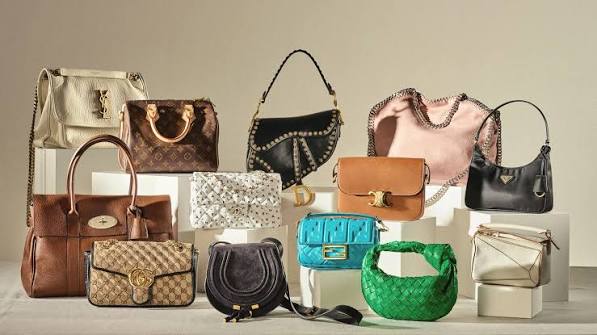
Handbags are portable personal accessories designed to carry and organize essential items such as money, phones, cosmetics, documents, keys, and other daily necessities. They are typically carried by hand, over the shoulder, or across the body using straps or handles.
Handbags are made from a wide variety of materials including leather, synthetic leather, fabric, canvas, and luxury textiles. They serve both functional and aesthetic purposes, combining storage convenience with fashion expression.
—
2. INTRODUCTION TO HANDBAGS
Handbags have been used for centuries, evolving from simple pouches used to carry coins and small personal items into modern fashion accessories that reflect style, identity, and social status.
In the early stages of human civilization, bags were primarily functional. Over time, as clothing designs changed and pockets became less practical or less common in some outfits, handbags became essential accessories, especially in women’s fashion.
Today, handbags are a global fashion staple. They are widely used in everyday life, professional environments, travel, and special occasions. Luxury fashion houses and independent designers continue to innovate handbag designs, making them both practical tools and style statements.
—
3. TABULATED SPECIFICATION OF HANDBAGS
| SPECIFICATION CATEGORY | DETAILS |
|————————|———|
| Product Type | Fashion and utility accessory |
| Primary Function | Carrying personal items |
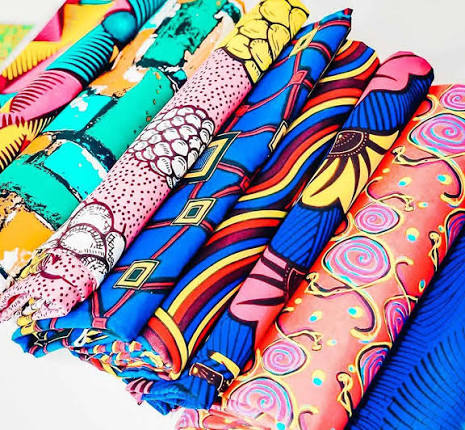
| Materials | Leather, synthetic leather, canvas, nylon, fabric, suede |
| Structure | Soft, semi-structured, or structured designs |
| Carrying Styles | Handheld, shoulder, crossbody, backpack style |
| Closure Types | Zippers, magnetic snaps, buckles, drawstrings |
| Compartments | Single or multi-compartment organization |
| Durability | Medium to high depending on material |
| Weight | Lightweight to medium |
| Usage Occasions | Casual, formal, office, travel, events |
| Maintenance | Moderate (cleaning depends on material) |
| Design Variations | Minimalist, luxury, casual, decorative |
—
4. TYPES OF HANDBAGS
4.1 TOTE BAGS
Large open-top bags with parallel handles, commonly used for shopping, work, and daily activities.
4.2 SHOULDER BAGS
Bags with a long strap designed to be worn over the shoulder for convenience and easy access.
4.3 CROSSBODY BAGS
Bags worn across the body with a long strap, offering security and hands-free use.
4.4 SATCHEL BAGS
Structured handbags often used in professional or semi-formal settings.
4.5 CLUTCH BAGS
Small handheld bags typically used for evening events and formal occasions.
4.6 BACKPACK HANDBAGS
Stylish backpacks designed for fashion and practicality, often used for travel or school.
—
5. MATERIALS USED IN HANDBAGS
– Genuine leather: durable, premium, and long-lasting
– Synthetic leather (PU leather): affordable alternative with similar appearance
– Canvas: lightweight and casual material
– Nylon: water-resistant and durable for travel use
– Suede: soft and stylish but delicate
– Fabric blends: used for decorative and lightweight designs
– Metal fittings: zippers, chains, clasps, and decorative elements
Material choice influences durability, style, and price range.
—
6. MANUFACTURING PROCESS OF HANDBAGS
1. Design conceptualization and sketching
2. Selection of materials and hardware
3. Cutting fabric or leather components
4. Stitching main body panels together
5. Installation of lining and internal compartments
6. Attachment of straps, handles, and closures
7. Adding decorative elements or branding
8. Quality inspection and finishing touches
9. Packaging for retail or distribution
High-quality handbags often require skilled craftsmanship and detailed finishing work.
—
7. USES OF HANDBAGS
7.1 DAILY USE
Handbags are used to carry essential personal items during everyday activities.
7.2 WORK AND OFFICE USE
Professional handbags help organize documents, gadgets, and personal belongings.
7.3 TRAVEL USE
Larger handbags are used for travel essentials such as passports, wallets, and accessories.
7.4 FASHION AND STYLE
Handbags serve as fashion statements that complement outfits and personal identity.
7.5 SPECIAL OCCASIONS
Clutch and designer handbags are used during weddings, parties, and formal events.
—
8. ADVANTAGES OF HANDBAGS
– Convenient storage for personal items
– Wide variety of styles and sizes
– Enhances fashion and personal appearance
– Suitable for different occasions
– Available in multiple price ranges
– Improves organization of belongings
—
9. LIMITATIONS OF HANDBAGS
– Can become heavy when overfilled
– High-quality designs may be expensive
– Requires maintenance depending on material
– Risk of theft if not handled carefully
– Some designs offer limited storage space
—
10. CONCLUSION
Handbags are essential fashion and utility accessories that combine practicality with personal style. They have evolved from simple carrying pouches into highly diverse fashion items used across the world.
Modern handbags serve multiple roles including organization, convenience, and aesthetic expression. Their wide variety of designs ensures that they meet the needs of different lifestyles, from casual use to professional and luxury fashion contexts.
Overall, handbags remain one of the most important accessories in global fashion, symbolizing both functionality and elegance in everyday life.