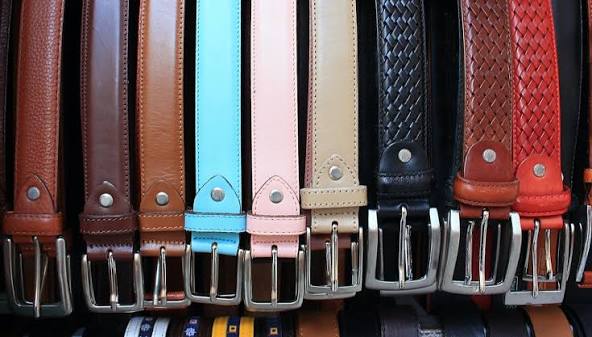
Belts are among the most practical and versatile accessories used across the world. They have been an essential part of clothing for centuries, serving both functional and fashion-related purposes. Originally designed to hold garments securely in place, belts have evolved into stylish accessories that enhance personal appearance, complement outfits, and reflect individual tastes. Today, belts are available in a wide variety of materials, designs, colors, and sizes, making them suitable for people of all ages and lifestyles.
Whether worn with formal business attire, casual wear, school uniforms, or specialized work clothing, belts provide comfort, support, and style. Their ability to combine functionality with aesthetics has made them an indispensable accessory in modern wardrobes. From classic leather belts used in professional settings to fashionable designer belts worn as statement pieces, the product continues to enjoy widespread popularity across global markets.
This detailed product description explores what belts are, their features, specifications, applications, benefits, and significance in contemporary fashion and everyday use.
Product Definition
A belt is a flexible band, strap, or strip typically made from leather, fabric, synthetic materials, or other durable substances that is worn around the waist. It is designed primarily to secure clothing, particularly trousers, skirts, shorts, or uniforms, by holding them firmly in position. Belts are usually fastened using buckles, clips, snaps, or other fastening mechanisms.
Beyond their practical function, belts also serve decorative and stylistic purposes. They help define body shape, add visual interest to outfits, and contribute to an individual’s overall appearance. Modern belts are manufactured in various widths, lengths, materials, and designs to meet diverse fashion preferences and functional requirements.
Product Specifications
The specifications of belts may vary depending on the intended use, material, and design. The table below outlines the common specifications found in standard belts.
Lightweight to medium weight depending on material
Durability
High resistance to stretching and wear
Maintenance
Easy cleaning and occasional conditioning for leather belts
Customization
Available with logos, engravings, embossing, and decorative designs
Packaging
Individual boxes, pouches, or retail packaging
Application
Personal wear, uniforms, industrial use, fashion accessories
Product Features
1. Durable Construction
Belts are manufactured using high-quality materials designed to withstand daily wear and tear. Genuine leather belts offer exceptional durability and longevity, while synthetic and fabric belts provide excellent flexibility and affordability.
2. Adjustable Fit
One of the most important features of belts is their adjustability. Multiple holes or automatic locking systems allow users to achieve a comfortable and secure fit regardless of body shape or clothing style.
3. Stylish Appearance
Modern belts are designed to complement various fashion trends. They are available in numerous designs ranging from simple minimalist styles to luxurious decorative pieces featuring unique buckles and premium finishes.
4. Comfortable Wear
Quality belts are designed with user comfort in mind. Soft materials, smooth edges, and ergonomic fastening mechanisms prevent discomfort while ensuring all-day wearability.
5. Versatility
Belts can be paired with formal trousers, jeans, skirts, dresses, uniforms, and workwear. Their versatility makes them suitable for professional, casual, and special occasions.
6. Strong Fastening Systems
Modern belt buckles and closure mechanisms are engineered for reliability. Whether using traditional pin buckles or advanced ratchet systems, belts provide dependable support throughout daily activities.
7. Wide Material Selection
Consumers can choose from leather, canvas, nylon, polyester, and other materials depending on their functional needs and style preferences.
Types of Belts
Formal Belts
Formal belts are typically made from genuine or high-quality synthetic leather. They feature sleek designs, polished finishes, and elegant buckles suitable for business attire, suits, and formal occasions.
Casual Belts
Casual belts offer more flexibility in design, color, and material. They are commonly worn with jeans, chinos, shorts, and everyday clothing.
Fashion Belts
Fashion belts prioritize aesthetics and style. They often include decorative buckles, patterns, embellishments, and unique textures intended to enhance an outfit.
Tactical Belts
Tactical belts are designed for demanding environments. Made from heavy-duty nylon and reinforced materials, they provide exceptional strength and support for carrying equipment and tools.
Sports Belts
Sports belts are lightweight, flexible, and designed for athletic activities. They often feature moisture-resistant materials and secure fastening systems.
Utility and Work Belts
These belts are designed for professionals who require additional support or tool-carrying capabilities. They are commonly used in construction, maintenance, and industrial settings.
Uses of Belts
1. Holding Clothing Securely
The primary purpose of a belt is to keep trousers, skirts, shorts, and other garments properly positioned around the waist. This ensures comfort, convenience, and confidence throughout daily activities.
2. Enhancing Personal Style
Belts serve as important fashion accessories that can transform the appearance of an outfit. A well-chosen belt adds sophistication, elegance, or personality depending on the desired look.
3. Creating a Professional Appearance
In many professional settings, belts are considered an essential component of formal dress codes. They help create a neat, polished, and organized appearance.
4. Defining Body Shape
Fashion belts are often used to accentuate the waistline and create a more balanced silhouette. This makes them popular accessories in dresses, coats, and tunics.
5. Supporting Work Equipment
Certain belts are designed to support tools, pouches, and equipment. Utility belts help professionals keep essential items within easy reach while working.
6. Outdoor and Adventure Activities
Outdoor enthusiasts frequently use tactical and utility belts during hiking, camping, trekking, and other recreational activities due to their durability and reliability.
7. Uniform Accessories
Belts form an important part of many uniforms used by schools, security personnel, military organizations, and corporate institutions.
8. Safety and Stability
Belts contribute to comfort and stability by preventing garments from slipping during movement, work, exercise, or travel.
Advantages of Using Belts
Improved Clothing Fit
Belts ensure garments fit properly regardless of slight variations in body size or clothing dimensions.
Increased Confidence
A properly fitted outfit often improves self-confidence and overall appearance, making belts valuable accessories in both personal and professional settings.
Long-Term Durability
High-quality belts can remain functional and attractive for many years when properly maintained.
Cost-Effective Accessory
Belts provide significant practical and aesthetic value at a relatively affordable cost compared to many other fashion accessories.
Wide Availability
Consumers can find belts in numerous styles, materials, and price ranges, making them accessible to virtually everyone.
Easy Maintenance
Most belts require minimal maintenance. Regular cleaning and proper storage are generally sufficient to preserve their appearance and performance.
Care and Maintenance
Proper care helps maximize the lifespan and appearance of belts.
Leather Belts
Clean using a soft cloth.
Apply leather conditioner periodically.
Avoid prolonged exposure to moisture.
Store in a cool, dry location.
Fabric and Canvas Belts
Spot clean when necessary.
Wash according to manufacturer recommendations.
Allow to air dry completely before storage.
Synthetic Belts
Wipe with a damp cloth.
Avoid excessive heat exposure.
Store flat or hung to prevent deformation.
Market Demand and Popularity
Belts continue to enjoy strong demand worldwide due to their practicality, affordability, and fashion relevance. The growing fashion industry, increasing consumer awareness of personal style, and demand for versatile accessories contribute significantly to the product’s popularity. Manufacturers continuously introduce innovative materials, buckle systems, and designs to meet evolving consumer preferences.
Both luxury and budget-friendly segments of the market offer a diverse range of options, ensuring belts remain relevant across different demographics and income levels.
Conclusion
Belts are essential accessories that successfully combine functionality, durability, and style. Designed primarily to secure clothing around the waist, they have evolved into important fashion elements that enhance appearance and support various professional, recreational, and everyday activities. Available in numerous materials, designs, and specifications, belts cater to diverse consumer needs and preferences.
Their durability, versatility, affordability, and timeless appeal make them indispensable additions to modern wardrobes. Whether used for practical support, fashion enhancement, professional attire, or specialized applications, belts remain one of the most valuable and widely utilized accessories in the world of clothing and personal style.