A wallet is one of the most essential personal accessories used in everyday life. Designed primarily for carrying cash, cards, identification documents, and other valuable items, wallets have become indispensable tools for individuals across all age groups and professions. Beyond their practical function, wallets also serve as fashion accessories that reflect personal style, status, and organizational preferences.
The evolution of wallets has paralleled advancements in commerce and technology. Traditional wallets were designed mainly for storing paper currency and coins. However, modern wallets accommodate credit cards, debit cards, identification cards, business cards, receipts, and even digital security features such as RFID-blocking technology. Available in a wide variety of materials, designs, colors, and sizes, wallets cater to diverse consumer needs ranging from everyday convenience to luxury fashion.
Whether used by business professionals, students, travelers, or casual consumers, wallets offer a secure and organized way to manage essential belongings. Their combination of functionality, portability, and style makes them one of the most widely used personal accessories worldwide.
Product Definition
A wallet is a compact personal accessory designed to store, organize, and protect money, payment cards, identification documents, and other small valuables. It is typically carried in a pocket, handbag, backpack, briefcase, or purse and is manufactured from materials such as leather, synthetic leather, fabric, canvas, nylon, or other durable materials.
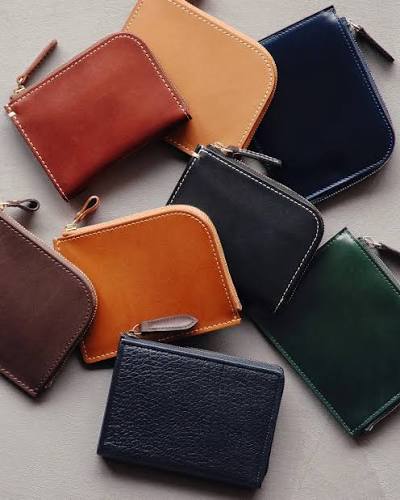
Wallets feature multiple compartments, pockets, card slots, and secure closures that help users keep important items organized and easily accessible. Modern wallets are available in various styles, including bifold, trifold, slim, cardholder, travel, and digital-friendly designs.
Product Specifications
The specifications of wallets vary according to their design, intended use, and material composition. The table below highlights common specifications found in standard wallets.
Black, brown, tan, navy, grey, burgundy, and custom colors
Dimensions
Compact and portable sizes
Weight
Lightweight
Security Features
RFID protection, zip closures, hidden compartments
Gender Compatibility
Men, women, and unisex
Durability
High resistance to daily wear and tear
Customization
Logo embossing, engraving, personalized designs
Packaging
Gift box, pouch, retail packaging
Application
Personal, professional, travel, and business use
Product Features
1. Compact and Portable Design
Wallets are designed to be lightweight and easy to carry. Their compact structure allows them to fit comfortably into pockets, handbags, backpacks, and briefcases while maintaining convenient access to essential items.
2. Multiple Storage Compartments
Modern wallets contain dedicated compartments for banknotes, credit cards, identification cards, business cards, receipts, and coins. This organized layout helps users locate items quickly and efficiently.
3. Durable Construction
Wallets are manufactured using durable materials that withstand regular handling and daily use. Genuine leather wallets are especially valued for their longevity and ability to develop an attractive appearance over time.
4. Secure Storage
Many wallets incorporate secure closure mechanisms such as zippers, snaps, or magnetic fasteners to protect contents from accidental loss.
5. RFID Protection
Many contemporary wallets feature RFID-blocking technology that helps protect contactless payment cards and personal information from unauthorized scanning and electronic theft.
6. Stylish Appearance
Wallets are available in numerous designs ranging from minimalist and professional styles to luxury and fashion-oriented options. Their appearance often complements personal style and fashion preferences.
7. Easy Accessibility
Strategically placed card slots, transparent ID windows, and dedicated cash compartments provide quick access to frequently used items.
Types of Wallets
Bifold Wallets
Bifold wallets are among the most popular wallet styles. They fold once in the center and typically feature card slots, cash compartments, and identification windows. Their slim profile makes them suitable for everyday use.
Trifold Wallets
Trifold wallets fold into three sections, offering additional storage space for cards and documents while maintaining a compact design.
Slim Wallets
Slim wallets are designed for minimalists who prefer carrying only essential cards and cash. Their lightweight design reduces pocket bulk and enhances comfort.
Cardholder Wallets
Cardholder wallets focus primarily on storing payment cards, identification cards, and business cards. They are ideal for users who rarely carry cash.
Travel Wallets
Travel wallets provide larger storage capacity for passports, boarding passes, travel documents, currency, and cards, making them valuable companions for frequent travelers.
Zip-Around Wallets
Zip-around wallets feature secure zipper closures that fully enclose the contents, providing enhanced protection and organization.
Coin Wallets
Coin wallets are specifically designed for carrying loose change while maintaining compact dimensions.
Uses of Wallets
1. Storing Cash
The primary use of a wallet is to securely store paper currency in an organized manner, preventing damage and loss.
2. Carrying Payment Cards
Wallets provide dedicated slots for credit cards, debit cards, prepaid cards, and membership cards, ensuring convenient access during transactions.
3. Holding Identification Documents
Many wallets include transparent windows or secure compartments for driver’s licenses, national IDs, employee cards, and other identification documents.
4. Organizing Personal Belongings
Wallets help users keep receipts, business cards, tickets, and small notes organized and easily accessible.
5. Travel Convenience
Travel wallets enable users to store passports, travel documents, boarding passes, foreign currency, and emergency contacts in a single secure location.
6. Professional Use
Business professionals frequently use wallets to carry business cards and identification documents while maintaining a polished and organized appearance.
7. Protecting Sensitive Information
RFID-enabled wallets help safeguard personal and financial information from electronic theft and unauthorized scanning.
8. Fashion Enhancement
In addition to functionality, wallets contribute to personal style and often complement clothing, bags, and other accessories.
Advantages of Using Wallets
Improved Organization
Wallets help organize essential items efficiently, reducing clutter and making daily transactions smoother and more convenient.
Enhanced Security
Secure compartments, closures, and RFID protection help protect valuables from loss, theft, and unauthorized access.
Professional Appearance
A quality wallet contributes to a neat, organized, and professional image in both personal and business settings.
Durability
High-quality wallets can remain functional for many years with proper care and maintenance.
Portability
Their compact design allows users to carry important belongings comfortably without adding significant weight or bulk.
Versatility
Wallets are suitable for various lifestyles, occupations, and occasions, making them universally useful accessories.
Personal Expression
The wide variety of designs, materials, and finishes allows users to select wallets that reflect their personality and preferences.
Care and Maintenance
Proper care helps maintain a wallet’s appearance and functionality over time.
Leather Wallets
Clean regularly using a soft dry cloth.
Apply leather conditioner periodically.
Avoid excessive moisture and direct sunlight.
Store in a cool, dry environment.
Fabric and Canvas Wallets
Spot clean with mild soap and water.
Allow to air dry completely.
Avoid overloading compartments.
Synthetic Wallets
Wipe clean with a damp cloth.
Protect from excessive heat.
Store away from sharp objects that may cause scratches.
Market Demand and Popularity
Wallets continue to enjoy strong global demand due to their practicality and universal usefulness. Increasing reliance on payment cards, identification systems, and travel documentation has further expanded the need for efficient personal storage solutions. Additionally, fashion-conscious consumers view wallets as important accessories that complement their overall appearance.
Manufacturers continue to introduce innovative features such as RFID protection, minimalist designs, eco-friendly materials, and premium craftsmanship to meet evolving consumer preferences. As a result, wallets remain highly relevant in both traditional and modern lifestyles.
Conclusion
Wallets are indispensable personal accessories that combine organization, security, convenience, and style. Designed to store cash, cards, identification documents, and other essentials, they play a crucial role in everyday life. Their availability in numerous materials, designs, and configurations allows users to select options that best suit their personal and professional needs.
With features such as durable construction, secure storage, RFID protection, and attractive designs, wallets provide long-term value and practicality. Whether used for daily activities, business purposes, travel, or fashion enhancement, wallets remain one of the most important and widely utilized accessories in the modern world.