Scarves are versatile and timeless fashion accessories that have been worn for centuries across different cultures and regions of the world. Initially designed to provide warmth and protection against harsh weather conditions, scarves have evolved into stylish accessories that enhance personal appearance and complement various outfits. Today, scarves are considered essential wardrobe items for both men and women, offering a perfect blend of functionality, comfort, and fashion.
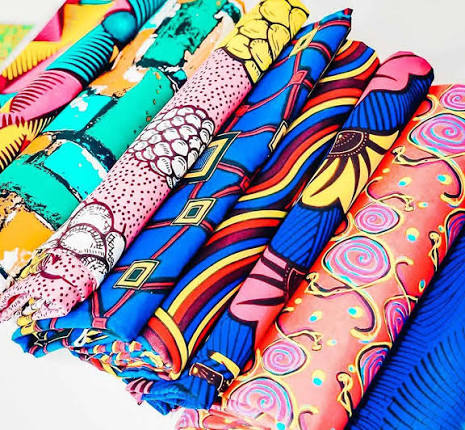
Available in a wide range of fabrics, colors, patterns, sizes, and designs, scarves can be worn throughout the year for different purposes. From lightweight silk scarves used as elegant fashion statements to thick wool scarves that provide insulation during winter, the product caters to diverse consumer preferences and seasonal needs.
Scarves are not only practical accessories but also powerful style elements that can transform an ordinary outfit into a sophisticated and fashionable ensemble. Their adaptability and universal appeal have made them popular among people of all ages and lifestyles, ensuring their continued relevance in the global fashion industry.
Product Definition
A scarf is a long or square piece of fabric worn around the neck, shoulders, head, or waist for warmth, protection, comfort, religious purposes, or fashion enhancement. Scarves are manufactured using various materials such as cotton, wool, silk, polyester, cashmere, linen, and blended fabrics.
Depending on their intended use, scarves may be lightweight and decorative or thick and insulating. They are available in numerous shapes, sizes, textures, and patterns, allowing users to express their personal style while benefiting from their practical functions.
Product Specifications
The specifications of scarves vary depending on material, design, and intended application. The table below outlines common specifications found in standard scarves.
Logos, embroidery, digital printing, personalized designs
Packaging
Gift boxes, pouches, retail packaging
Application
Fashion, warmth, religious, professional, and outdoor use
Product Features
1. Soft and Comfortable Fabric
Scarves are made from soft materials that provide comfort against the skin. Premium fabrics such as cashmere, silk, and fine cotton offer a luxurious feel while maintaining breathability.
2. Versatile Styling Options
One of the most attractive features of scarves is their versatility. They can be worn around the neck, draped over the shoulders, tied around the head, used as belts, or incorporated into creative fashion styles.
3. Weather Protection
Scarves provide protection from cold winds, low temperatures, sunlight, and dust, making them useful accessories throughout the year.
4. Lightweight and Portable
Most scarves are lightweight and easy to fold, allowing users to carry them conveniently in handbags, backpacks, or luggage.
5. Fashion Enhancement
Scarves add color, texture, and elegance to outfits, helping individuals create distinctive and stylish looks.
6. Wide Material Selection
Consumers can choose from a broad variety of fabrics depending on their climate, comfort requirements, and fashion preferences.
7. Durable Construction
High-quality scarves are designed to retain their shape, softness, and appearance even after repeated use and proper maintenance.
Types of Scarves
Wool Scarves
Wool scarves are designed primarily for warmth and insulation during colder seasons. They are highly effective at retaining heat and protecting against cold weather.
Silk Scarves
Silk scarves are lightweight, smooth, and elegant. They are commonly worn as fashion accessories and are popular for formal and professional settings.
Cotton Scarves
Cotton scarves offer excellent breathability and comfort, making them suitable for everyday wear and warm climates.
Cashmere Scarves
Cashmere scarves are luxurious accessories known for their exceptional softness, warmth, and premium quality.
Infinity Scarves
Infinity scarves feature a continuous loop design that can be wrapped around the neck multiple times for style and comfort.
Pashmina Scarves
Pashmina scarves are lightweight yet warm, often featuring intricate patterns and elegant designs suitable for both casual and formal occasions.
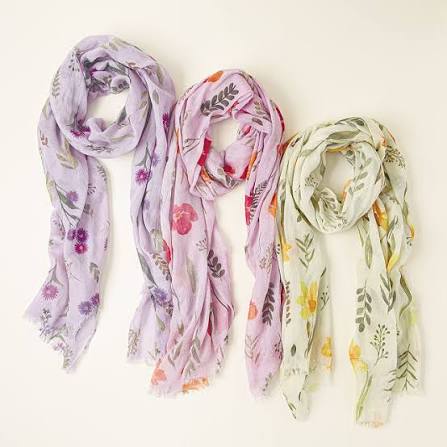
Fashion Scarves
Fashion scarves prioritize aesthetics and are available in various colors, prints, and decorative styles to complement modern outfits.
Uses of Scarves
1. Providing Warmth
The primary use of scarves is to keep the neck, shoulders, and upper body warm during cold weather by reducing heat loss.
2. Enhancing Fashion and Style
Scarves are widely used to elevate personal style and add sophistication, color, and texture to clothing ensembles.
3. Protection Against Weather Conditions
Scarves help protect against wind, dust, sunlight, and cold temperatures, improving comfort in different environments.
4. Travel Accessory
Travelers often carry scarves because they are lightweight, versatile, and useful in varying weather conditions.
5. Professional and Formal Wear
Many professionals use scarves as elegant accessories that complement business attire and formal outfits.
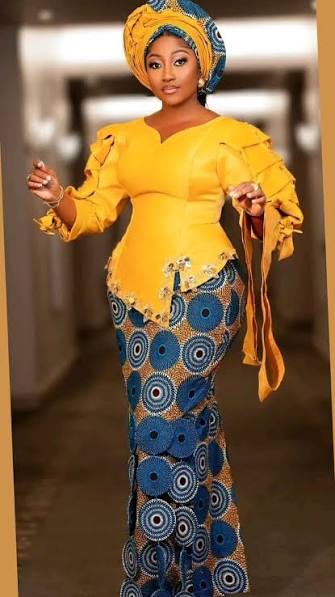
6. Religious and Cultural Purposes
In many cultures and religions, scarves are worn as traditional garments or symbols of respect, modesty, and identity.
7. Hair and Head Protection
Scarves can be used as head coverings to protect hair from environmental exposure, dust, sunlight, and wind.
8. Decorative Applications
Scarves are sometimes used as decorative accessories for handbags, hats, and other fashion items.
Advantages of Using Scarves
Enhanced Comfort
Scarves provide warmth, softness, and protection, contributing to overall comfort in various climates.
Fashion Versatility
A single scarf can be styled in multiple ways, making it one of the most adaptable fashion accessories available.
Seasonal Adaptability
Different scarf materials allow users to enjoy comfort and style throughout all seasons of the year.
Lightweight Portability
Scarves can be folded and carried easily, making them convenient accessories for everyday use and travel.
Affordable Fashion Accessory
Scarves offer an economical way to refresh and diversify a wardrobe without purchasing entirely new outfits.
Wide Variety of Designs
Consumers can select from countless colors, patterns, materials, and styles to suit individual preferences.
Unisex Appeal
Scarves are suitable for men, women, and children, making them universally popular accessories.
Care and Maintenance
Proper maintenance helps preserve the appearance, softness, and durability of scarves.
Wool and Cashmere Scarves
Hand wash or dry clean according to care instructions.
Avoid excessive heat during drying.
Store folded in a clean, dry environment.
Silk Scarves
Hand wash gently or use professional dry-cleaning services.
Avoid harsh detergents.
Store away from direct sunlight.
Cotton and Polyester Scarves
Machine wash when permitted by the manufacturer.
Use mild detergents.
Air dry to maintain fabric quality.
General Storage
Fold neatly to prevent wrinkles.
Keep away from moisture and dust.
Store in breathable fabric bags when not in use.
Market Demand and Popularity
Scarves continue to enjoy strong global demand due to their versatility, practicality, and fashion appeal. The growing fashion industry, increasing consumer interest in personal styling, and demand for seasonal accessories contribute significantly to their popularity. Additionally, scarves are commonly purchased as gifts because of their universal appeal and wide range of styles.
Manufacturers consistently introduce innovative designs, sustainable fabrics, and modern production techniques to meet changing consumer preferences. This ongoing innovation ensures scarves remain relevant and desirable in both luxury and everyday fashion markets.
Conclusion
Scarves are timeless accessories that successfully combine comfort, protection, and style. Designed to provide warmth, enhance fashion, and offer versatile wearing options, they have become essential wardrobe items for people worldwide. Their availability in numerous materials, patterns, and designs allows consumers to choose products that match their personal preferences and lifestyle requirements.
Whether worn for warmth during winter, as a fashion statement, for cultural purposes, or for everyday comfort, scarves continue to deliver exceptional value and versatility. Their enduring popularity, practicality, and elegance ensure that scarves will remain important fashion accessories for generations to come.