Garri – Premium Cassava-Based Food Product for Nutrition, Food Security, and Commercial Trade
Introduction
Garri is one of the most widely consumed cassava-based food products in Africa and an increasingly recognized staple food in international ethnic food markets. Produced from carefully processed cassava roots, garri is valued for its long shelf life, convenience, nutritional energy, affordability, and versatility in food preparation. It serves as a major source of daily nutrition for millions of people and plays an important role in food security, rural livelihoods, and agricultural trade.
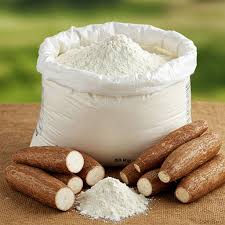
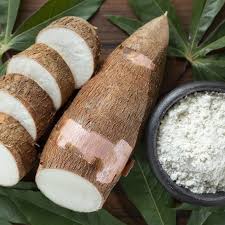
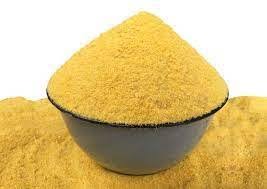
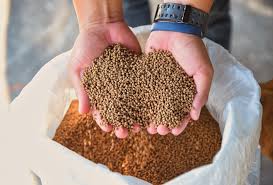
Garri is produced through a series of traditional and modern processing methods involving cassava peeling, washing, grating, fermentation, dewatering, sieving, and roasting. These processes transform fresh cassava roots into dry granular particles with excellent storage stability and broad culinary applications. Depending on regional preferences and processing methods, garri may appear white, cream, or yellow in color, with yellow garri commonly enriched using palm oil during roasting.
As a carbohydrate-rich food product, garri serves as an important energy source in many households and communities. It is highly appreciated because it is easy to prepare, economical, filling, and adaptable to different food preparations. Garri may be consumed directly with cold water, sugar, milk, groundnuts, or beverages, or prepared into a smooth dough-like meal commonly eaten with soups and sauces.
One of the major advantages of garri is its excellent shelf stability. Properly processed and packaged garri can be stored for extended periods without significant deterioration, making it highly suitable for household storage, food distribution, emergency food supply systems, and export trade. Its low moisture content contributes greatly to its durability and resistance to spoilage.
Garri also contributes significantly to agricultural economies and rural employment. Cassava cultivation and garri processing support millions of farmers, traders, processors, wholesalers, and retailers across producing regions. Small-scale and industrial garri processing businesses continue to grow due to increasing local and international demand for African staple foods.
The growing global interest in traditional African foods, gluten-free ingredients, and plant-based diets has further expanded garri’s commercial importance in international markets. African communities abroad increasingly demand premium-quality garri products for household consumption and food retail businesses.
Modern garri production emphasizes hygienic processing methods, moisture control, quality assurance, and secure packaging to ensure food safety, product consistency, and export compliance. Proper processing helps preserve texture, flavor, nutritional value, and shelf life while reducing contamination risks.
Today, garri remains one of the most important processed cassava products supporting food security, economic development, food industries, and international agricultural trade. Its affordability, convenience, versatility, and cultural importance continue to strengthen its popularity worldwide.
Product Definition
Garri is a dry granular food product produced from fermented and roasted cassava mash obtained from cassava roots (Manihot esculenta). It is a carbohydrate-rich staple food widely consumed for household meals, commercial food preparation, and international trade.
Garri may be supplied in white, yellow, fine-textured, coarse-textured, fortified, or flavored forms depending on regional preferences and market requirements.
Product Features
1. Rich Source of Dietary Energy
Garri contains substantial carbohydrates that provide energy for daily nutrition.
2. Long Shelf Stability
Its low moisture content allows extended storage under proper conditions.
3. Easy and Convenient Preparation
Garri can be consumed directly or prepared quickly into meals.
4. Versatile Culinary Applications
The product supports multiple traditional and modern food preparations.
5. Naturally Gluten-Free
Garri is naturally free from gluten and suitable for gluten-sensitive consumers.
6. Important Staple Food
Garri contributes significantly to food security and household nutrition in many regions.
Tabulated Product Specifications
Parameter
Specification
Product Name
Garri
Scientific Name
Derived from Manihot esculenta
Product Type
Processed Cassava Granules
Color
White / Cream / Yellow
Texture
Fine or Coarse Granules
Flavor
Mild / Slightly Fermented
Moisture Content
Maximum 12%
Carbohydrate Content
75% – 90%
Fiber Content
2% – 5%
Protein Content
1% – 3%
Fat Content
Less than 3%
Gluten Content
Naturally Gluten-Free
Shelf Life
6 – 24 Months
Packaging
Poly Bags / Laminated Bags / Sacks
Packaging Sizes
500g, 1kg, 5kg, 25kg, 50kg
Storage Condition
Cool and Dry Place
Main Applications
Food Consumption
Quality Grade
Premium Food Grade
Origin
Processed Agricultural Product
Nutritional Composition
Garri provides essential nutrients necessary for dietary energy and daily nutrition.
Carbohydrates
Garri is highly rich in carbohydrates and serves as a major source of energy.
Dietary Fiber
Fiber supports healthy digestion and proper metabolism.
Vitamins
Depending on processing methods, garri may contain small amounts of vitamins such as:
Vitamin B Complex
Vitamin C
Minerals
Important minerals naturally present in garri include:
Potassium
Calcium
Magnesium
Phosphorus
Resistant Starch
Garri contains resistant starch that may support digestive health when consumed appropriately.
Uses of Garri
1. Direct Human Consumption
Garri is widely consumed as a ready-to-eat food product.
Common Consumption Methods
Mixed with cold water
Served with sugar and milk
Consumed with groundnuts
Taken as snacks
Its convenience makes it highly popular among consumers.
2. Preparation of Dough Meals
Garri is commonly prepared into thick dough meals served with soups and sauces.
Traditional Meal Applications
Eba
Swallow meals
Traditional family dishes
3. Food Processing Industry
Garri supports processed food production and packaged food industries.
Processed Food Applications
Instant meal products
Packaged ready-to-eat foods
Flour blends
4. Emergency and Relief Food Supply
Its long shelf life and easy preparation make garri suitable for emergency food programs and relief distribution.
5. Export Trade
Garri is increasingly exported to international ethnic food markets and retail businesses.
Production and Processing
The quality of garri depends on proper cassava selection and hygienic processing methods.
Cassava Selection
Fresh mature cassava roots are selected based on quality and freshness.
Peeling and Washing
The roots are peeled and washed thoroughly to remove dirt and impurities.
Grating
The cassava is grated into fine mash for further processing.
Fermentation
Controlled fermentation improves flavor, texture, and food safety.
Dewatering
Excess moisture is removed through pressing procedures.
Sieving
The cassava mash is sieved to achieve uniform granule texture.
Roasting
The product is roasted carefully to reduce moisture content and develop characteristic flavor and texture.
Packaging
Finished garri is packaged hygienically to preserve freshness and prevent contamination.
Quality Assurance
Premium garri products undergo strict quality control procedures to ensure purity, consistency, and food safety.
Quality assurance measures include:
Selection of quality cassava roots
Hygienic processing practices
Moisture testing
Granule size control
Fermentation monitoring
Impurity removal
Packaging inspection
Storage monitoring
Food safety compliance verification
These procedures help maintain superior product quality and customer satisfaction.
Packaging and Storage
Garri is packaged using moisture-resistant materials designed to preserve freshness and extend shelf life.
Common packaging options include:
Polyethylene bags
Laminated pouches
Polypropylene sacks
Bulk containers
Recommended storage conditions include:
Cool and dry environment
Proper ventilation
Protection from moisture
Airtight sealing
Clean storage areas
Proper storage practices help maintain texture, freshness, flavor, and shelf stability.
Advantages of Garri
Affordable Staple Food
Garri provides economical nutrition for households and communities.
Long Shelf Life
The product can be stored for extended periods without major quality loss.
Convenient Preparation
Garri requires minimal preparation time and can be consumed in various forms.
Gluten-Free Benefits
Garri serves as an alternative food product for gluten-sensitive consumers.
Strong Market Demand
Growing local and international demand continues to strengthen garri trade and processing industries.
Commercial Importance
Garri is an important product in food retail, agricultural processing, and international ethnic food markets.
Reliable suppliers ensure:
Consistent product quality
Hygienic processing standards
Competitive pricing
Timely delivery
Secure packaging
Bulk supply capability
These factors contribute to strong customer confidence and successful trade relationships.
Conclusion
Garri remains one of the world’s most valuable processed cassava food products due to its affordability, convenience, long shelf life, versatility, and contribution to food security. Its role in household nutrition, traditional meals, food processing, and international trade makes it an essential staple food commodity in many regions worldwide.
Premium-quality garri is carefully processed and packaged to maintain freshness, texture consistency, flavor, and nutritional integrity. From direct consumption and traditional meals to packaged foods and export markets, garri continues to support healthy nutrition, agricultural development, rural livelihoods, and sustainable food systems.
As global demand for traditional African foods, gluten-free products, and shelf-stable staple foods continues to rise, garri remains a trusted commodity for farmers, processors, wholesalers, exporters, retailers, and consumers across international markets.