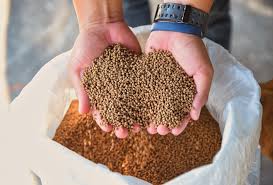
Tapioca – Premium Cassava Starch Product for Food, Beverage, and Industrial Applications
Introduction
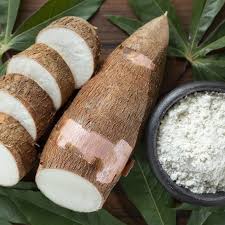
Tapioca is a widely consumed starch-based food product derived from cassava roots and valued globally for its versatility, digestibility, neutral flavor, and broad industrial applications. Produced from the starch extracted from cassava (Manihot esculenta), tapioca serves as an essential ingredient in food manufacturing, bakery production, beverages, confectioneries, and various industrial sectors.
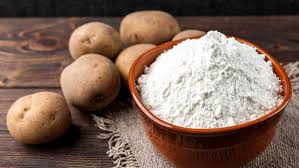
Tapioca is commonly available in several forms including pearls, flakes, granules, flour, starch powder, and instant products. It is especially popular because of its smooth texture, thickening ability, and adaptability in numerous culinary applications. Tapioca products are widely used in traditional dishes, desserts, puddings, bubble tea beverages, soups, sauces, and gluten-free food formulations across many countries worldwide.
One of the major advantages of tapioca is its naturally gluten-free composition. Since it contains no gluten, tapioca has become highly important in modern gluten-free diets and specialized food industries. It is commonly used as an alternative ingredient in bakery products, snack foods, noodles, and processed foods intended for gluten-sensitive consumers.
Tapioca is primarily valued for its high carbohydrate and starch content, making it an excellent source of dietary energy. It is easily digestible and suitable for individuals of different age groups, including children, elderly consumers, and individuals requiring soft-textured foods. Because of its neutral flavor, tapioca blends easily with other ingredients without altering the original taste of food products.
The product also plays a significant role in industrial manufacturing. Tapioca starch is used in textile processing, paper production, adhesives, pharmaceuticals, biodegradable products, cosmetics, and animal feed industries. Its functional properties such as thickening, binding, gelling, and stabilizing make it highly valuable in both food and non-food applications.
The increasing global demand for gluten-free foods, convenience foods, bubble tea beverages, plant-based ingredients, and natural starches has significantly expanded tapioca’s commercial importance in international markets. Food manufacturers continue to incorporate tapioca into innovative products because of its texture-enhancing and stabilizing characteristics.
Modern tapioca production involves careful cassava selection, cleaning, peeling, starch extraction, drying, granulation, quality testing, and hygienic packaging to maintain purity, consistency, and food safety. Proper processing and storage are essential for preserving freshness, texture, and shelf stability.
Today, tapioca remains one of the most valuable processed cassava products supporting food security, food manufacturing, industrial production, agricultural trade, and global commerce. Its affordability, versatility, and broad industrial value continue to strengthen its worldwide demand.
Product Definition
Tapioca is a starch-rich processed product obtained from cassava roots (Manihot esculenta) through starch extraction, drying, and granulation procedures. It is widely used in food preparation, beverages, bakery products, industrial manufacturing, and gluten-free food systems.
Tapioca may be supplied in pearl, flour, starch powder, flake, granule, or instant forms depending on market requirements and industrial applications.
Product Features
1. Naturally Gluten-Free
Tapioca contains no gluten and is suitable for gluten-sensitive consumers.
2. High Starch Content
The product is highly rich in starch and provides substantial dietary energy.
3. Neutral Flavor Profile
Tapioca blends easily with other ingredients without affecting flavor.
4. Excellent Thickening Ability
The product functions effectively as a thickener and stabilizer in food applications.
5. Easily Digestible
Tapioca possesses soft texture and digestibility suitable for various age groups.
6. Broad Industrial Applications
It supports food processing, beverages, textiles, paper manufacturing, and pharmaceutical industries.
Tabulated Product Specifications
Parameter
Specification
Product Name
Tapioca
Scientific Name
Derived from Manihot esculenta
Product Type
Processed Cassava Starch Product
Color
White / Cream
Texture
Powder / Pearls / Granules
Flavor
Neutral
Moisture Content
Maximum 12%
Starch Content
80% – 90%
Carbohydrate Content
85% – 95%
Protein Content
Less than 1%
Fat Content
Less than 1%
Fiber Content
Minimal
Gluten Content
Naturally Gluten-Free
Shelf Life
12 – 24 Months
Packaging
Laminated Bags / Poly Bags / Sacks
Packaging Sizes
500g, 1kg, 5kg, 25kg
Storage Condition
Cool and Dry Place
Main Applications
Food and Industrial Processing
Quality Grade
Premium Food and Industrial Grade
Origin
Processed Agricultural Product
Nutritional Composition
Tapioca provides dietary energy and functional food benefits through its starch-rich composition.
Carbohydrates
Tapioca is highly rich in carbohydrates that provide energy for daily nutrition.
Starch
The product contains substantial starch content important for food processing and industrial applications.
Dietary Fiber
Small amounts of dietary fiber may be present depending on processing methods.
Minerals
Tapioca may contain small quantities of minerals such as:
Calcium
Potassium
Magnesium
Iron
Easy Digestibility
Its smooth texture and digestibility make tapioca suitable for soft-food diets and specialized nutrition.
Uses of Tapioca
1. Food Preparation
Tapioca is widely used in household meals and commercial food production.
Common Food Products
Tapioca pudding
Traditional meals
Desserts
Snacks
Breakfast foods
Its neutral flavor allows compatibility with sweet and savory dishes.
2. Beverage Industry
Tapioca pearls are important ingredients in beverage production.
Beverage Applications
Bubble tea
Specialty drinks
Flavored beverages
3. Bakery Industry
Tapioca flour and starch are used in bakery and confectionery applications.
Bakery Applications
Bread
Cakes
Cookies
Pastries
Gluten-free foods
4. Food Processing Industry
Tapioca functions as a thickener, stabilizer, and texture enhancer.
The quality of tapioca depends on proper cassava selection and hygienic starch extraction procedures.
Cassava Selection
Fresh mature cassava roots are selected based on quality and starch content.
Cleaning and Peeling
The roots undergo cleaning and peeling to remove dirt and outer skin.
Starch Extraction
Cassava is processed to extract pure starch content.
Filtration and Separation
The starch slurry is filtered and separated from fibrous materials.
Drying
The starch is dried carefully to achieve proper moisture content.
Granulation or Pearl Formation
Depending on product type, tapioca may be processed into pearls, granules, or powder.
Packaging
Finished tapioca products are packaged hygienically to preserve freshness and food safety.
Quality Assurance
Premium tapioca products undergo strict quality control procedures to ensure purity, consistency, and safety.
Quality assurance measures include:
Selection of quality cassava roots
Hygienic processing practices
Moisture testing
Starch purity analysis
Granule size control
Impurity removal
Packaging inspection
Storage monitoring
Food safety compliance verification
These procedures help maintain superior product quality and customer satisfaction.
Packaging and Storage
Tapioca products are packaged using moisture-resistant materials designed to preserve freshness and shelf life.
Common packaging options include:
Laminated pouches
Polyethylene bags
Polypropylene sacks
Bulk containers
Recommended storage conditions include:
Cool and dry environment
Proper ventilation
Low humidity
Protection from moisture
Airtight sealing
Proper storage practices help maintain texture, purity, and product stability.
Advantages of Tapioca
Gluten-Free Benefits
Tapioca serves as an excellent ingredient for gluten-free food systems.
Excellent Thickening Properties
The product improves texture and consistency in numerous food applications.
Broad Culinary Applications
Tapioca supports desserts, beverages, bakery products, and processed foods.
Industrial Importance
The starch supports multiple industrial manufacturing sectors.
Growing International Demand
Increasing demand for bubble tea, gluten-free foods, and natural starches continues to strengthen tapioca markets worldwide.
Commercial Importance
Tapioca is an important product in food manufacturing, beverage production, and industrial processing industries.
Reliable suppliers ensure:
Consistent product quality
Hygienic processing standards
Competitive pricing
Timely delivery
Secure packaging
Bulk supply capability
These factors contribute to strong customer confidence and successful trade relationships.
Conclusion
Tapioca remains one of the world’s most valuable cassava-derived products due to its versatility, digestibility, gluten-free composition, and broad industrial importance. Its role in food preparation, beverage production, bakery applications, industrial processing, and specialized diets makes it an essential commodity in global food and manufacturing industries.
Premium-quality tapioca is carefully processed and packaged to maintain purity, texture consistency, freshness, and shelf stability. From bubble tea pearls and desserts to industrial starch applications and gluten-free foods, tapioca continues to support healthy nutrition, food innovation, agricultural development, and international trade.
As global demand for gluten-free ingredients, convenience foods, and natural starch products continues to rise, tapioca remains a trusted commodity for food manufacturers, wholesalers, exporters, retailers, and consumers across international markets.