Mangoes – Premium Tropical Fruit for Fresh Consumption, Food Processing, and Global Trade
Introduction
Mangoes are among the most cherished tropical fruits in the world, widely appreciated for their rich sweetness, juicy texture, vibrant color, pleasant aroma, and exceptional nutritional value. Known scientifically as Mangifera indica, mangoes are cultivated extensively in tropical and subtropical regions and serve as important agricultural commodities in both domestic and international food markets.
Often referred to as the “king of fruits,” mangoes are highly valued for their versatility and broad consumer appeal. The fruit is consumed fresh and processed into numerous food and beverage products including juices, purees, concentrates, dried fruits, frozen products, desserts, jams, sauces, confectioneries, and baby foods. Their unique flavor profile makes them popular in households, restaurants, hotels, supermarkets, food processing industries, and export markets around the world.
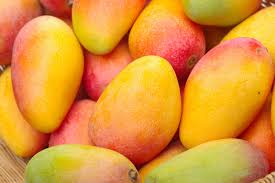
Mangoes are available in many varieties that differ in size, shape, skin color, sweetness, fiber content, and aroma. Depending on the variety and maturity stage, mangoes may display green, yellow, orange, or red skin with golden-yellow flesh that ranges from smooth and soft to slightly fibrous in texture. Consumers value mangoes for both their refreshing taste and nutritional richness.
One of the major strengths of mangoes is their nutritional composition. They are naturally rich in carbohydrates, dietary fiber, vitamins, minerals, antioxidants, and beneficial plant compounds that support healthy nutrition and wellness. Mangoes are especially known for their high vitamin C and vitamin A content, which contribute to immune support, vision health, and overall body function.
The growing global demand for tropical fruits, healthy beverages, plant-based nutrition, and natural food products has significantly increased the commercial importance of mangoes. Food manufacturers continue to incorporate mangoes into smoothies, fruit snacks, frozen desserts, yogurt products, bakery items, and nutritional foods due to their flavor, color, and nutritional value.
Mango cultivation and processing also contribute significantly to agricultural economies and rural livelihoods. Mango farming supports millions of farmers, exporters, transporters, processors, wholesalers, retailers, and food service providers worldwide. Modern production systems focus on proper cultivation practices, irrigation management, harvesting techniques, post-harvest handling, grading, ripening control, cold-chain management, and export-quality packaging.
Today, mangoes remain among the world’s most valuable tropical fruit commodities supporting healthy nutrition, food processing industries, agricultural development, and international commerce. Their sweetness, versatility, and global popularity continue to strengthen their importance in global food systems.
Product Definition
Mangoes are edible tropical fruits obtained from the tree Mangifera indica, cultivated mainly for fresh consumption, food processing, industrial applications, and commercial trade. They are nutrient-rich fruits valued for their sweetness, aroma, juiciness, and broad culinary applications.
Mangoes may be supplied as fresh fruits, frozen mangoes, dried mangoes, mango puree, mango juice, concentrates, canned products, or processed food ingredients depending on market demand and industrial requirements.
Product Features
1. Naturally Sweet and Juicy Flavor
Mangoes possess a rich tropical sweetness and refreshing juice content highly appreciated by consumers.
2. Rich Nutritional Composition
The fruit contains vitamins, minerals, dietary fiber, antioxidants, and beneficial plant compounds.
3. Attractive Color and Aroma
Mangoes are valued for their vibrant appearance and pleasant fragrance.
4. Broad Culinary Applications
The fruit supports fresh consumption, beverages, desserts, snacks, bakery products, and processed foods.
5. Important Commercial Fruit
Mangoes are widely traded in local and international fresh fruit and food processing markets.
6. Strong Global Consumer Demand
The fruit remains one of the most consumed tropical fruits worldwide.
Tabulated Product Specifications
Parameter
Specification
Product Name
Mangoes
Scientific Name
Mangifera indica
Product Type
Tropical Fruit
Flesh Color
Yellow / Orange
Skin Color
Green / Yellow / Red
Texture
Juicy / Soft / Slightly Fibrous
Flavor
Sweet and Tropical
Moisture Content
75% – 85%
Carbohydrate Content
15% – 25%
Fiber Content
1% – 4%
Protein Content
Less than 2%
Fat Content
Less than 1%
Shelf Life
Several Days to Weeks
Packaging
Cartons / Crates / Bulk
Packaging Sizes
Retail and Bulk Packaging
Storage Condition
Cool and Ventilated Environment
Main Applications
Fresh Consumption and Food Processing
Quality Grade
Premium Food Grade
Origin
Farm Cultivated
Nutritional Composition
Mangoes provide essential nutrients necessary for healthy nutrition and overall wellness.
Carbohydrates
Mangoes contain natural sugars and carbohydrates that provide dietary energy.
Dietary Fiber
Fiber supports healthy digestion and proper metabolism.
Vitamins
Mangoes contain important vitamins such as:
Vitamin C
Vitamin A
Vitamin E
Vitamin B6
Folate
Minerals
Important minerals naturally present in mangoes include:
Potassium
Magnesium
Calcium
Phosphorus
Antioxidants
Mangoes contain antioxidants and beneficial plant compounds that support cellular protection and healthy body function.
Uses of Mangoes
1. Fresh Fruit Consumption
Mangoes are widely consumed fresh in homes, restaurants, and hospitality industries.
Common Consumption Methods
Fresh fruit slices
Fruit salads
Healthy snacks
Desserts
Their refreshing sweetness makes them highly popular worldwide.
2. Juice and Beverage Industry
Mangoes are important raw materials for beverage manufacturing.
Beverage Applications
Mango juice
Smoothies
Fruit cocktails
Nutritional drinks
3. Food Processing Industry
Mangoes are processed into numerous commercial food products.
Processed Food Applications
Mango puree
Dried mango
Frozen mango
Canned mango
Fruit concentrates
4. Bakery and Confectionery Industry
The fruit is widely used in cakes, pastries, candies, desserts, and confectionery products.
5. Baby Food Production
The soft texture and nutritional richness of mangoes make them suitable for infant food products.
Cultivation and Processing
The quality of mangoes depends on proper cultivation and careful post-harvest handling.
Land Preparation
Mangoes are cultivated in fertile tropical and subtropical soils under favorable climatic conditions.
Planting
Healthy grafted seedlings or planting materials are selected for optimal productivity and fruit quality.
Crop Management
Proper irrigation, fertilization, pruning, weed control, and pest management improve yield and fruit development.
Harvesting
Mangoes are harvested carefully at appropriate maturity stages to preserve quality and shelf life.
Cleaning and Sorting
The fruits undergo cleaning, grading, and sorting according to size, ripeness, and export standards.
Ripening Management
Controlled ripening systems help maintain flavor, texture, and market quality.
Processing
Mangoes may be sliced, juiced, dried, frozen, pureed, or processed into concentrates and food ingredients.
Packaging
The products are packaged securely to maintain freshness and prevent damage during transportation.
Quality Assurance
Premium mangoes undergo strict quality control procedures to ensure freshness, consistency, and food safety.
Quality assurance measures include:
Selection of quality planting materials
Controlled farming practices
Proper harvesting techniques
Ripeness monitoring
Sorting and grading
Packaging inspection
Cold-chain management
Storage monitoring
Export compliance verification
These procedures help maintain superior product quality and customer satisfaction.
Packaging and Storage
Mangoes are packaged using durable materials designed to preserve freshness during transportation and storage.
Common packaging options include:
Carton boxes
Plastic crates
Bulk transport systems
Recommended storage conditions include:
Cool environment
Proper ventilation
Controlled ripening conditions
Protection from physical damage
Hygienic storage systems
Proper storage practices help maintain freshness, flavor, and appearance.
Advantages of Mangoes
Excellent Natural Flavor
Mangoes offer rich sweetness and tropical aroma suitable for numerous food applications.
Nutritional Benefits
The fruit contains vitamins, minerals, antioxidants, and dietary fiber essential for balanced diets.
Broad Culinary Applications
Mangoes support fresh consumption, beverages, desserts, frozen products, and processed foods.
Industrial Importance
The fruit supports juice manufacturing, food processing industries, frozen foods, and export markets.
Growing International Demand
Increasing demand for tropical fruits and healthy food products continues to strengthen mango industries worldwide.
Commercial Importance
Mangoes are valuable agricultural commodities in fresh fruit and processed food industries globally.
Reliable suppliers ensure:
Consistent fruit quality
Hygienic handling standards
Competitive pricing
Timely delivery
Secure packaging
Export-quality supply capability
These factors contribute to strong customer confidence and successful commercial partnerships.
Conclusion
Mangoes remain among the world’s most valuable tropical fruits due to their sweetness, nutritional richness, versatility, and strong global demand. Their role in fresh fruit consumption, beverage production, food processing, bakery applications, and agricultural trade makes them essential commodities in modern food systems.
Premium-quality mangoes are carefully cultivated, harvested, processed, and packaged to maintain freshness, flavor, texture, and nutritional integrity. From fresh fruit slices and smoothies to dried mangoes and processed food ingredients, mangoes continue to support healthy nutrition, food innovation, agricultural development, and international commerce.
As worldwide demand for tropical fruits, natural food products, and healthy beverages continues to rise, mangoes remain trusted agricultural commodities for farmers, wholesalers, exporters, food manufacturers, retailers, and consumers across global markets.