Bambara Beans – Premium Drought-Resistant Legume for Nutrition, Food Security, and Sustainable Agriculture
Introduction
Bambara beans are highly nutritious legume crops widely cultivated across Africa and increasingly recognized worldwide for their exceptional nutritional value, drought resistance, and importance in sustainable agriculture. Considered one of Africa’s indigenous and underutilized crops, Bambara beans play a vital role in food security, rural livelihoods, and climate-resilient farming systems. Their adaptability to harsh environmental conditions and rich nutrient composition make them valuable agricultural commodities for both local and international markets.
Scientifically known as Vigna subterranea, Bambara beans belong to the legume family Fabaceae. The crop is closely related to cowpeas and shares a unique growth pattern similar to groundnuts, where the pods develop underground after fertilization. Bambara beans are cultivated mainly in sub-Saharan Africa, although their popularity is gradually expanding to other regions due to growing interest in sustainable and nutrient-dense crops.
Bambara beans are highly appreciated because of their rich nutritional composition. They contain substantial amounts of plant-based protein, carbohydrates, dietary fiber, healthy fats, vitamins, and essential minerals necessary for healthy living and balanced diets. In many rural communities, Bambara beans serve as affordable and reliable protein sources, particularly where animal protein availability is limited.
One of the major strengths of Bambara beans is their remarkable drought tolerance and ability to thrive in poor soils with minimal agricultural inputs. The crop can survive under challenging climatic conditions where many other food crops may fail, making it especially important in regions vulnerable to climate change, water scarcity, and food insecurity. Bambara beans also contribute to soil fertility improvement through nitrogen fixation, supporting environmentally sustainable farming systems.
The versatility of Bambara beans contributes significantly to their value. The seeds are consumed boiled, roasted, fried, or processed into flour, porridge, snacks, and traditional dishes. Bambara bean flour is increasingly used in food-processing industries to produce nutritious bakery products, infant foods, protein supplements, and gluten-free formulations.
In addition to human consumption, Bambara bean residues and foliage may be utilized as livestock feed for cattle, sheep, and goats. This dual-purpose functionality increases the economic importance of the crop in integrated agricultural systems.
Modern Bambara bean production involves improved cultivation practices, careful harvesting, drying, cleaning, grading, and hygienic packaging to maintain premium quality and long storage stability. Proper moisture management and storage practices are essential to prevent spoilage and preserve nutritional integrity during transportation and long-term storage.
With growing global demand for plant-based proteins, climate-resilient crops, and sustainable food systems, Bambara beans continue to gain attention among farmers, food manufacturers, researchers, exporters, and health-conscious consumers worldwide.
Product Definition
Bambara beans are edible legume seeds obtained from the Bambara groundnut plant (Vigna subterranea), cultivated primarily for food, livestock feed, and sustainable agricultural applications. The seeds are rich in proteins, carbohydrates, dietary fiber, and essential nutrients, making them valuable for balanced nutrition and food security.
Bambara beans are supplied in dried whole seed form, processed flour, roasted products, or other value-added forms depending on consumer demand and industrial applications.
Product Features
1. High Nutritional Value
Bambara beans contain proteins, carbohydrates, fiber, vitamins, and minerals important for healthy nutrition.
2. Drought-Resistant Crop
The crop thrives under dry climatic conditions and poor soils with minimal agricultural inputs.
3. Plant-Based Protein Source
Bambara beans provide affordable and sustainable plant protein for human diets.
4. Versatile Culinary Applications
The seeds can be consumed boiled, roasted, fried, or processed into flour and food products.
5. Soil Fertility Improvement
As legumes, Bambara beans contribute to nitrogen fixation and improved soil quality.
6. Long Shelf Stability
Properly dried Bambara beans maintain freshness and quality during long-term storage.
Tabulated Product Specifications
| Parameter |
Specification |
| Product Name |
Bambara Beans |
| Scientific Name |
Vigna subterranea |
| Product Type |
Edible Legume / Pulse |
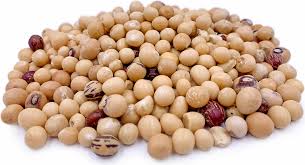
| Seed Color |
Cream / Brown / Red / Black / Speckled |
| Shape |
Round / Oval |
| Moisture Content |
Maximum 13% |
| Purity |
98% Minimum |
| Protein Content |
18% – 24% |
| Carbohydrate Content |
50% – 65% |
| Fiber Content |
5% – 8% |
| Fat Content |
5% – 8% |
| Foreign Matter |
1% Maximum |
| Damaged Seeds |
2% Maximum |
| Shelf Life |
12 – 24 Months |
| Packaging |
PP Bags / Jute Bags / Bulk |
| Packaging Sizes |
1kg, 5kg, 25kg, 50kg |
| Storage Condition |
Cool and Dry Place |
| Main Applications |
Food, Feed, Agriculture |
| Quality Grade |
Premium Export Grade |
| Origin |
Farm Cultivated |
Nutritional Composition
Bambara beans provide essential nutrients necessary for healthy body function and balanced diets.
Protein
The beans contain substantial plant-based proteins important for body growth and muscle maintenance.
Carbohydrates
Bambara beans provide carbohydrates that contribute to energy production and metabolism.
Dietary Fiber
Fiber supports healthy digestion and nutrient absorption.
Healthy Fats
The beans contain moderate healthy fats that contribute to nutritional balance.
Vitamins
Bambara beans contain vitamins such as:
- Vitamin B Complex
- Folate
- Niacin
Minerals
Important minerals naturally present in Bambara beans include:
- Iron
- Calcium
- Magnesium
- Potassium
- Zinc
- Phosphorus
Uses of Bambara Beans
1. Human Consumption
Bambara beans are widely consumed in traditional and modern food preparations.
Common Food Products
- Boiled beans
- Roasted snacks
- Porridge
- Bean flour
- Traditional meals
- Protein blends
- Bakery products
Their nutty flavor and nutritional richness make them suitable for numerous recipes.
2. Food Processing Industry
Bambara bean flour is increasingly used in processed foods and nutritional products.
Processed Food Applications
- Gluten-free flour blends
- Protein-enriched foods
- Baby foods
- Bakery ingredients
- Snack production
3. Livestock Feed
Crop residues and foliage may be used as nutritious livestock feed.
Feed Applications
- Cattle feed
- Goat feed
- Sheep feed
4. Sustainable Agriculture
Bambara beans improve soil fertility and support environmentally sustainable farming systems.
5. Nutrition and Food Security Programs
The crop contributes significantly to rural nutrition and food security initiatives.
Cultivation and Processing
The quality of Bambara beans depends on proper cultivation methods and post-harvest handling procedures.
Land Preparation
Farmers prepare suitable farmland to support healthy crop growth and productivity.
Planting
Quality Bambara bean seeds are planted under favorable environmental conditions.
Crop Management
Proper weed control and crop maintenance help improve yields and grain quality.
Harvesting
The crop is harvested at maturity to maintain seed quality and minimize losses.
Drying
The harvested pods are dried carefully to reduce moisture and improve storage stability.
Shelling and Cleaning
The beans are shelled, cleaned, sorted, and graded to remove impurities and damaged seeds.
Packaging
Processed Bambara beans are packaged hygienically to preserve freshness and product integrity.
Quality Assurance
Premium Bambara beans undergo strict quality control procedures to ensure purity, nutritional value, and food safety.
Quality assurance measures include:
- Selection of quality seed varieties
- Controlled farming practices
- Moisture testing
- Impurity removal
- Nutritional analysis
- Hygienic processing
- Packaging inspection
- Storage monitoring
- Export compliance verification
These procedures help maintain superior product quality and customer satisfaction.
Packaging and Storage
Bambara beans are packaged using durable moisture-resistant materials designed to preserve product quality during transportation and storage.
Common packaging options include:
- Polypropylene bags
- Jute sacks
- Laminated pouches
- Bulk storage containers
Recommended storage conditions include:
- Cool and dry environment
- Proper ventilation
- Protection from moisture
- Low humidity
- Pest-free storage areas
- Elevated pallet storage
Proper storage practices help maintain freshness, nutritional integrity, and shelf stability.
Advantages of Bambara Beans
Excellent Nutritional Profile
Bambara beans provide proteins, carbohydrates, fiber, and essential nutrients important for healthy diets.
Climate Resilience
The crop thrives under drought conditions and low-input farming environments.
Sustainable Agricultural Benefits
The beans improve soil fertility through nitrogen fixation and support crop rotation systems.
Broad Food Applications
Bambara beans can be used in traditional foods, processed products, and nutritional formulations.
Economic Importance
The crop supports rural livelihoods, agricultural trade, and food security initiatives.
Export Importance
Bambara beans are increasingly gaining attention in international markets due to growing demand for plant-based proteins and climate-resilient crops.
Export-quality Bambara beans must comply with international standards regarding:
- Moisture content
- Seed purity
- Packaging quality
- Contamination control
- Food safety regulations
- Grain consistency
Reliable suppliers ensure:
- Consistent product quality
- Hygienic processing
- Competitive pricing
- Timely delivery
- Secure packaging
- Bulk supply capability
These qualities help establish strong customer trust and long-term trade relationships.
Conclusion
Bambara beans remain one of the most valuable indigenous African legumes due to their nutritional richness, drought resistance, versatility, and contribution to sustainable agriculture. Their high protein content, adaptability to harsh environments, and broad food applications make them essential for food security, rural development, and healthy nutrition.
Premium-quality Bambara beans are carefully cultivated, processed, and packaged to maintain purity, freshness, and nutritional integrity. From traditional dishes and protein-rich flour to livestock feed and sustainable farming systems, Bambara beans continue to support agricultural development, economic growth, and climate-resilient food production worldwide.
As global demand for nutritious legumes, plant-based proteins, and sustainable agricultural commodities continues to rise, Bambara beans remain trusted products for farmers, wholesalers, exporters, food manufacturers, and consumers across international markets.