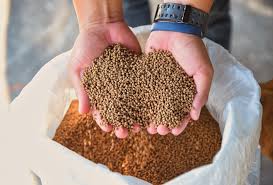
Barley – Premium Nutritious Grain for Food, Feed, and Industrial Applications
Introduction
Barley is one of the oldest cultivated cereal grains in the world and remains an important agricultural commodity used for food, animal feed, and industrial processing. Known for its excellent nutritional value, adaptability, and broad commercial applications, barley plays a significant role in global agriculture and food production. It is widely cultivated across Europe, Asia, North America, Africa, and other regions with temperate climates, making it one of the most versatile and dependable cereal crops worldwide.
Scientifically known as Hordeum vulgare, barley belongs to the grass family Poaceae. The grain has been cultivated for thousands of years and has historically served as a staple food and an essential ingredient in brewing and livestock feeding. Today, barley continues to support food security, industrial manufacturing, and sustainable agricultural systems due to its resilience and economic importance.
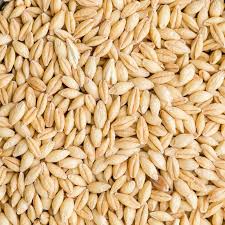
Barley grains are typically light brown, golden, or pale yellow in color and are available in several forms including hulled barley, pearled barley, barley flour, barley flakes, and malted barley. The grain is highly appreciated for its mild flavor, chewy texture, and rich nutrient profile. It contains carbohydrates, proteins, dietary fiber, vitamins, minerals, and antioxidants that contribute to balanced nutrition and overall health.
One of the most valuable characteristics of barley is its high fiber content, particularly beta-glucan, which is known for supporting heart health and healthy digestion. As consumer awareness of healthy eating continues to grow, barley has gained popularity as a nutritious whole grain suitable for balanced diets and functional food products.
Barley is widely used in food preparation and processing. It is commonly consumed in soups, porridge, bread, cereals, salads, and traditional dishes. The grain is also an important raw material in the brewing industry where malted barley is used for producing beer, whiskey, and other beverages. In livestock farming, barley serves as an energy-rich feed ingredient for cattle, poultry, pigs, and horses.
Modern barley cultivation involves advanced agricultural techniques and improved seed varieties to ensure high productivity and grain quality. After harvesting, the grain undergoes drying, cleaning, grading, processing, and packaging to meet domestic and international quality standards. Proper storage and moisture control are essential for maintaining freshness, nutritional integrity, and long shelf life.
The increasing demand for nutritious grains, healthy food alternatives, brewing ingredients, and livestock feed continues to strengthen barley’s commercial value in global markets. Its versatility, nutritional benefits, and industrial importance make barley a trusted and valuable grain in modern agriculture and food industries.
Product Definition
Barley is a cereal grain obtained from the barley plant (Hordeum vulgare) cultivated for food, feed, and industrial applications. It is a nutrient-rich grain characterized by its high fiber content, mild flavor, and adaptability to different processing methods.
The grain is harvested, dried, cleaned, and processed to ensure purity, quality, and long-term storage stability. Barley is supplied in whole grain, pearled, flour, flake, or malted forms depending on market requirements and customer applications.
Product Features
1. Rich Nutritional Profile
Barley contains carbohydrates, proteins, dietary fiber, vitamins, minerals, and antioxidants that support balanced nutrition and healthy living.
2. High Fiber Content
The grain is particularly rich in beta-glucan fiber, which supports heart health and healthy digestion.
3. Versatile Applications
Barley is used in food processing, brewing, livestock feed production, and industrial manufacturing.
4. Excellent Brewing Ingredient
Malted barley is a key ingredient in beer and alcoholic beverage production worldwide.
5. Long Shelf Life
Properly stored barley maintains freshness and quality for extended periods.
6. Sustainable Agricultural Crop
Barley adapts well to various climates and requires moderate agricultural inputs for cultivation.
Tabulated Product Specifications
| Parameter |
Specification |
| Product Name |
Barley |
| Scientific Name |
Hordeum vulgare |
| Grain Type |
Cereal Grain |
| Color |
Light Brown / Golden |
| Moisture Content |
Maximum 14% |
| Purity |
98% Minimum |
| Broken Grains |
2% – 5% Maximum |
| Foreign Matter |
1% Maximum |
| Damaged Grains |
2% Maximum |
| Carbohydrate Content |
60% – 70% |
| Protein Content |
10% – 13% |
| Fiber Content |
10% – 17% |
| Shelf Life |
12 – 24 Months |
| Packaging |
PP Bags / Jute Bags / Bulk |
| Packaging Sizes |
25kg, 50kg, 100kg |
| Storage Condition |
Cool and Dry Place |
| Main Applications |
Food, Feed, Brewing, Industrial Use |
| Quality Grade |
Premium Export Grade |
| Origin |
Farm Cultivated |
Nutritional Composition
Barley contains essential nutrients required for healthy body function and energy production.
Carbohydrates
Barley provides carbohydrates that supply energy necessary for daily physical and mental activities.
Protein
The grain contains moderate protein levels that contribute to body maintenance and muscle development.
Dietary Fiber
Barley is highly valued for its fiber content, particularly beta-glucan, which supports digestion and heart health.
Vitamins
Barley contains B-complex vitamins important for metabolism and energy conversion.
Minerals
Essential minerals such as magnesium, phosphorus, selenium, iron, zinc, and potassium are naturally present in barley.
Antioxidants
Barley contains natural antioxidants that help protect body cells from oxidative stress.
Uses of Barley
1. Human Consumption
Barley is widely consumed as a healthy whole grain in various traditional and modern food products.
Common Food Products
- Barley flour
- Soups
- Porridge
- Bread
- Breakfast cereals
- Salads
- Stews
- Baked products
Its mild flavor and chewy texture make it suitable for a wide variety of recipes.
2. Brewing Industry
Barley is one of the most important ingredients in brewing and distillation industries.
Brewing Applications
- Beer production
- Malt beverages
- Whiskey production
- Fermented drinks
Malted barley provides fermentable sugars necessary for alcohol production.
3. Livestock Feed Production
Barley serves as a nutritious feed ingredient for several types of livestock.
Cattle Feed
Barley provides energy and nutritional support for dairy and beef cattle.
Poultry Feed
The grain contributes to healthy growth and feed efficiency in poultry farming.
Pig Feed
Swine feed formulations often include barley because of its digestibility and energy value.
Horse Feed
Barley is commonly used as an energy source in horse nutrition.
4. Food Processing Industry
Barley derivatives are used in the production of functional foods, health foods, and dietary products.
5. Industrial Applications
Barley starch and by-products are utilized in food manufacturing and industrial processing sectors.
Cultivation and Processing
The quality of barley depends on proper agricultural practices and post-harvest handling.
Land Preparation
Farmers prepare fertile agricultural land suitable for healthy barley cultivation and high yields.
Planting
Quality barley seeds are planted under appropriate climatic and soil conditions to support proper growth.
Harvesting
The crop is harvested at maturity to maintain grain quality and minimize losses.
Drying
Freshly harvested barley is dried carefully to reduce moisture and improve storage stability.
Cleaning and Grading
The grain undergoes cleaning, sorting, and grading to remove impurities and ensure consistency.
Packaging
Processed barley is packaged hygienically to preserve freshness during storage and transportation.
Quality Assurance
Premium barley undergoes strict quality control procedures to ensure purity, safety, and customer satisfaction.
Quality assurance measures include:
- Selection of quality seeds
- Controlled cultivation practices
- Hygienic harvesting methods
- Mechanical cleaning and grading
- Moisture testing
- Impurity removal
- Packaging inspection
- Storage monitoring
- Grain quality analysis
These procedures help maintain premium product standards throughout the supply chain.
Packaging and Storage
Barley is packaged in durable moisture-resistant materials designed to protect grain quality during transportation and storage.
Common packaging options include:
- Polypropylene bags
- Jute sacks
- Laminated packaging
- Bulk loading containers
Recommended storage conditions include:
- Cool and dry environment
- Proper ventilation
- Low humidity
- Protection from pests
- Elevated pallet storage
- Avoidance of direct sunlight
Proper storage helps preserve nutritional quality and extend shelf life.
Advantages of Barley
Nutritional Benefits
Barley provides essential nutrients and dietary fiber important for balanced nutrition and healthy living.
Broad Commercial Applications
The grain supports food production, brewing, livestock feeding, and industrial processing.
Excellent Digestive Support
Its high fiber content contributes to digestive health and improved metabolism.
Strong Market Demand
Barley remains highly demanded in food industries and brewing sectors worldwide.
Agricultural Sustainability
The crop adapts well to diverse growing conditions and supports sustainable farming systems.
Export Importance
Barley is an internationally traded grain with strong demand in food, brewing, and livestock industries.
Export-quality barley must comply with international standards regarding:
- Grain purity
- Moisture levels
- Protein content
- Contamination control
- Packaging quality
- Food safety compliance
Reliable suppliers ensure:
- Consistent grain quality
- Competitive pricing
- Timely delivery
- Safe packaging
- Bulk supply capability
- Compliance with export regulations
These factors help establish customer trust and long-term business partnerships.
Conclusion
Barley remains one of the world’s most valuable and versatile cereal grains due to its nutritional benefits, industrial importance, and adaptability to diverse agricultural systems. Its rich fiber content, moderate protein levels, and broad range of applications make it an essential grain for food production, brewing industries, livestock farming, and commercial processing.
Premium-quality barley is carefully cultivated, processed, and packaged to maintain purity, freshness, and nutritional integrity. From soups and cereals to beer production and animal feed manufacturing, barley continues to support global food systems, agricultural sustainability, and economic development.
Its affordability, versatility, and increasing demand in health-conscious food markets ensure that barley remains a trusted grain choice for farmers, food manufacturers, brewers, wholesalers, exporters, and consumers worldwide.