Biodiesel Feedstock Oils – Renewable Oils for Biofuel Production
Introduction
Biodiesel feedstock oils are plant-based or waste-derived oils used as raw materials for producing biodiesel, a renewable fuel that can replace or blend with petroleum diesel. These oils are processed through transesterification to produce fatty acid methyl esters (FAME), which function as clean-burning diesel alternatives.
Feedstock oils can come from edible crops, non-edible oil plants, and recycled waste oils. They are a key component of the global transition toward renewable energy and sustainable fuel systems.
Product Definition
Biodiesel feedstock oils are natural or recycled oils used as raw materials for biodiesel production. They are primarily used for:
Biodiesel fuel manufacturing
Renewable energy production
Industrial fuel applications
Sustainable transport energy systems
Product Features
1. Renewable Resource Base
Derived from plant oils or waste fats.
2. High Energy Content
Suitable for conversion into liquid fuel.
3. Wide Raw Material Sources
Includes edible and non-edible oils.
4. Environmentally Friendly
Reduces greenhouse gas emissions compared to fossil diesel.
5. Industrial Scalability
Suitable for large-scale fuel production.
6. Circular Economy Potential
Uses waste cooking oils and by-products.
Tabulated Product Specifications
Parameter
Specification
Product Name
Biodiesel Feedstock Oils
Product Type
Renewable Oil / Biofuel Raw Material
Source Materials
Plant oils, animal fats, waste oils
Oil Type
Edible & Non-edible (depending on source)
Main Output
Biodiesel (FAME)
Energy Content
High
Processing Method
Transesterification
Moisture Content
Very Low (required for processing)
Free Fatty Acid Level
Controlled (important for yield)
Shelf Life
Variable (depends on storage)
Packaging
Drums / tanks / bulk storage
Storage Condition
Cool, dry, sealed environment
Main Applications
Biofuel production
Common Biodiesel Feedstock Oils
1. Vegetable Oil Feedstocks
Palm oil
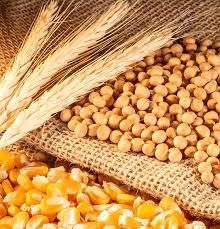
Soybean oil
Sunflower oil
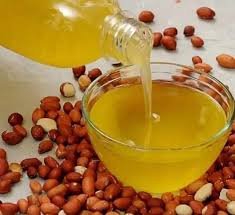
Groundnut oil
Coconut oil
2. Waste and Recycled Oils
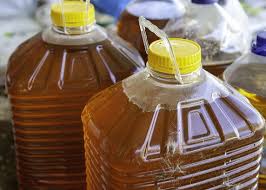
Used cooking oil (UCO)
Restaurant fryer oil
Industrial food waste oils
3. Non-Edible Oils
Jatropha oil
Castor oil
Neem oil
Uses of Biodiesel Feedstock Oils
1. Biodiesel Production
Main application is conversion into biodiesel fuel for:
Diesel engines
Transport vehicles
Agricultural machinery
Power generators
2. Industrial Energy
Used in heating systems and industrial boilers.
3. Blended Fuel Systems
Mixed with petroleum diesel (e.g., B5, B20 blends).
4. Sustainable Energy Projects
Used in renewable energy initiatives and carbon reduction programs.
Processing Methods
1. Oil Collection
Oils are sourced from crops or waste streams.
2. Pretreatment
Removal of water, impurities, and solids.
3. Transesterification
Oil reacts with alcohol (methanol/ethanol) using a catalyst to produce biodiesel.
4. Separation
Biodiesel is separated from glycerin by-product.
5. Purification
Washing and drying improve fuel quality.
Quality Requirements
Biodiesel feedstock oils must meet strict standards:
Low moisture content
Controlled free fatty acid (FFA) levels
High purity and cleanliness
Stable chemical composition
Low contamination risk
Packaging and Storage
Packaging Options
Steel drums
IBC tanks
Bulk storage tanks
Storage Conditions
Dry environment
Temperature control
Airtight sealing
Protection from oxidation
Proper storage ensures high biodiesel yield and quality.
Advantages of Biodiesel Feedstock Oils
1. Renewable Energy Source
Reduces dependence on fossil fuels.
2. Lower Emissions
Produces cleaner combustion than diesel.
3. Flexible Raw Materials
Can use multiple oil sources.
4. Waste Utilization
Converts used cooking oil into fuel.
5. Economic Opportunity
Supports agricultural and energy industries.
Commercial Importance
Biodiesel feedstock oils are essential in global energy markets due to:
Rising demand for renewable fuels
Government biofuel blending policies
Environmental sustainability goals
Growth of circular economy systems
They are key inputs in modern bioenergy industries.
Conclusion
Biodiesel feedstock oils are critical raw materials for producing renewable biodiesel fuel. Sourced from vegetable oils, non-edible oils, and waste fats, they support sustainable energy production and reduce reliance on fossil fuels.
With proper collection, processing, and quality control, these oils enable efficient biodiesel production for transportation, industry, and power generation. As global demand for clean energy grows, biodiesel feedstock oils remain a strategic and high-value component of the renewable energy sector.