
Fast delivery within 72 Hours

Biscuits
Contact Supplier
Supplier: beautifulmouse834Phone: +4127525742
Email: honig48440@epaynine.com
Address: 3431 Rue du Dauphiné Zunzgen, Switzerland
Visit Supplier Store

Black Friday Blowout!
Description
Product Description: Biscuits
Definition of Biscuits
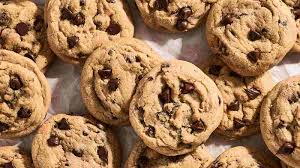
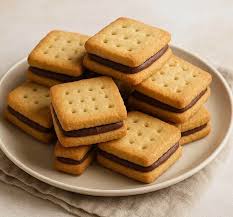
Biscuits are baked food products made primarily from flour, sugar, fat, and leavening agents. They are typically crisp, dry, and light in texture, making them one of the most widely consumed snack foods across the world. Depending on regional preferences and manufacturing methods, biscuits may be sweet, savory, plain, flavored, filled, coated, or fortified with additional nutrients. They are consumed as a convenient snack, breakfast accompaniment, tea-time refreshment, or energy source throughout the day.
The term “biscuit” generally refers to a baked product with a low moisture content, ensuring a longer shelf life compared to many other bakery products. Biscuits are available in numerous varieties, including cream biscuits, digestive biscuits, butter biscuits, chocolate biscuits, crackers, glucose biscuits, and whole-wheat biscuits. Their versatility, affordability, and appealing taste have made them a staple food item in households, offices, schools, and travel kits worldwide.
Introduction
Biscuits have been an integral part of human diets for centuries. Their origins can be traced back to ancient civilizations that developed methods of baking bread-like products twice to reduce moisture and increase durability. The word “biscuit” itself is derived from the Latin words bis meaning “twice” and coctus meaning “baked.” Over time, biscuits evolved from simple baked goods into highly diversified products available in countless flavors, textures, and formulations.
In modern food industries, biscuits represent one of the largest segments of the bakery market. They are valued for their convenience, portability, taste, and long shelf life. Manufacturers continuously innovate by introducing healthier formulations, premium ingredients, unique flavors, and attractive packaging to meet changing consumer preferences.
Biscuits are enjoyed by people of all age groups, from children to senior citizens. They serve multiple purposes, including satisfying hunger between meals, complementing hot beverages such as tea and coffee, and providing quick energy during busy schedules. In many cultures, offering biscuits to guests is considered a gesture of hospitality and warmth.
The production of biscuits involves mixing ingredients into a dough, shaping the dough into desired forms, baking under controlled temperatures, cooling, and packaging. Modern manufacturing technologies ensure consistency in texture, taste, appearance, and nutritional quality. Additionally, food safety standards and quality control measures help maintain product reliability and consumer confidence.
As lifestyles become increasingly fast-paced, biscuits continue to gain popularity due to their ready-to-eat nature and ease of storage. Their ability to cater to diverse consumer tastes and dietary needs has established them as one of the most successful and enduring food products in the global market.
Product Specifications
| Specification Parameter | Description |
|---|---|
| Product Name | Biscuits |
| Product Category | Bakery and Confectionery Product |
| Main Ingredients | Wheat flour, sugar, vegetable fat, milk solids, salt, leavening agents |
| Product Type | Sweet or Savory |
| Texture | Crisp, crunchy, and light |
| Color | Golden brown to light brown |
| Flavor Variants | Vanilla, chocolate, butter, cream, fruit, cheese, coconut, digestive, glucose |
| Shape | Round, square, rectangular, oval, or customized |
| Moisture Content | Low moisture for extended shelf life |
| Shelf Life | Typically 6–12 months depending on formulation |
| Packaging Type | Flexible pouches, cartons, tins, or bulk packaging |
| Storage Conditions | Store in a cool, dry place away from direct sunlight |
| Nutritional Value | Source of carbohydrates, fats, and energy |
| Manufacturing Process | Mixing, molding, baking, cooling, and packaging |
| Consumption Method | Ready-to-eat |
| Target Consumers | Children, adults, and elderly consumers |
| Quality Standards | Produced under food safety and quality regulations |
| Allergen Information | May contain wheat, milk, soy, nuts, or eggs depending on recipe |
| Portability | Highly portable and convenient |
| Market Availability | Retail stores, supermarkets, online platforms, and convenience shops |
Features of Biscuits
1. Crispy Texture
One of the most attractive characteristics of biscuits is their crisp and crunchy texture. Proper baking removes excess moisture, creating a satisfying bite that consumers enjoy.
2. Long Shelf Life
Unlike many fresh bakery products, biscuits can be stored for extended periods without significant loss of quality. This makes them ideal for households, emergency supplies, and travel.
3. Variety of Flavors
Biscuits are available in a wide range of flavors and formulations. Whether consumers prefer sweet chocolate varieties or savory crackers, there is a biscuit to suit every preference.
4. Convenient Packaging
Modern packaging solutions preserve freshness while making biscuits easy to carry and consume anywhere. Individual packs are especially popular for on-the-go lifestyles.
5. Nutritional Enhancement
Many manufacturers enrich biscuits with vitamins, minerals, fiber, and protein to improve nutritional value and meet specific dietary requirements.
6. Cost-Effective Snack
Biscuits provide an affordable snack option for consumers across different income groups. Their accessibility contributes significantly to their widespread popularity.
7. Universal Appeal
People of different ages, cultures, and backgrounds consume biscuits regularly, making them one of the most universally accepted snack products.
Manufacturing Process
The production of biscuits follows a systematic process designed to ensure consistency and quality.
Ingredient Selection
High-quality ingredients such as flour, sugar, fats, milk solids, and flavorings are selected according to product specifications.
Mixing
Ingredients are blended in controlled proportions to create a uniform dough with the desired consistency.
Dough Formation
The dough is rolled and shaped into specific designs using molds, cutters, or rotary molding equipment.
Baking
The shaped dough is baked at controlled temperatures. Baking develops flavor, color, texture, and structural integrity.
Cooling
After baking, biscuits are cooled to room temperature to stabilize texture and prevent moisture condensation.
Quality Inspection
Products undergo quality checks for weight, appearance, texture, taste, and packaging integrity.
Packaging
The finished biscuits are packaged in moisture-resistant materials to maintain freshness and extend shelf life.
Uses of Biscuits
1. Everyday Snacking
Biscuits are commonly consumed as quick snacks between meals. Their portability and convenience make them suitable for busy individuals seeking a light refreshment.
2. Tea and Coffee Accompaniment
One of the most traditional uses of biscuits is serving them alongside tea, coffee, or other hot beverages. Their texture and flavor complement these drinks perfectly.
3. Breakfast Supplement
Many people consume biscuits as part of a simple breakfast, especially when time is limited. They provide quick energy and can be paired with milk, yogurt, or fruit.
4. Travel Food
Due to their long shelf life and easy storage, biscuits are ideal travel companions for road trips, flights, camping activities, and outdoor adventures.
5. School and Office Snacks
Packed biscuits are convenient for lunch boxes, office breaks, and educational institutions where quick, hygienic snacks are required.
6. Emergency Food Supply
Biscuits are often included in emergency food kits and relief packages because they remain edible for extended periods and provide readily available calories.
7. Dessert Ingredient
Crushed biscuits are frequently used in desserts such as cheesecakes, pie crusts, puddings, parfaits, and ice cream toppings.
8. Nutritional Supplement Products
Fortified biscuits containing vitamins, minerals, and proteins are used in nutrition programs and supplementary feeding initiatives.
9. Hospitality and Catering
Hotels, airlines, restaurants, and catering services frequently serve biscuits as complimentary snacks to guests and customers.
10. Children’s Snacks
Specially formulated biscuits with attractive shapes, flavors, and nutrient fortification are widely consumed by children.
Advantages of Biscuits
Easy Availability
Biscuits are sold in supermarkets, convenience stores, online marketplaces, and vending machines, making them easily accessible.
Affordable Pricing
Their relatively low production cost allows manufacturers to offer products at competitive prices suitable for mass consumption.
Diverse Product Range
Consumers can choose from numerous varieties, including sugar-free, gluten-free, high-fiber, and premium gourmet biscuits.
Convenience
No preparation is required before consumption, making biscuits one of the most convenient ready-to-eat food products.
High Consumer Acceptance
Their familiar taste and versatility contribute to widespread consumer acceptance worldwide.
Packaging Flexibility
Manufacturers can package biscuits in single-serve, family-size, gift, and bulk formats depending on market requirements.
Quality Considerations
To ensure premium quality, biscuit manufacturers focus on several critical factors:
- Consistent ingredient quality
- Proper baking temperature and duration
- Hygienic production environments
- Moisture control during storage
- Secure and protective packaging
- Compliance with food safety standards
- Regular product testing and inspection
Maintaining these standards ensures consumer satisfaction and preserves the product’s reputation in competitive markets.
Market Demand and Consumer Trends
The global biscuit industry continues to expand due to changing lifestyles, urbanization, and increasing demand for convenient food products. Health-conscious consumers have also encouraged the development of whole-grain, low-sugar, high-protein, and fortified biscuit varieties.
Manufacturers are increasingly investing in innovative flavors, sustainable packaging, and premium ingredients to meet evolving market expectations. Online retail channels and e-commerce platforms have further increased product accessibility, contributing to continued market growth.
Consumer preferences are also shifting toward products that combine taste, convenience, and nutritional benefits. As a result, modern biscuit formulations often include functional ingredients such as oats, nuts, seeds, fiber, and vitamins.
Conclusion
Biscuits are among the most popular and versatile bakery products consumed worldwide. Characterized by their crisp texture, appealing taste, long shelf life, and convenience, they serve as an ideal snack for people of all ages. Available in numerous flavors, shapes, and formulations, biscuits meet diverse consumer needs while maintaining affordability and accessibility.
Their applications extend beyond simple snacking to include breakfast supplementation, hospitality services, travel food, dessert preparation, and nutritional support programs. Advances in manufacturing technology and product innovation continue to enhance biscuit quality, safety, and nutritional value.
As consumer lifestyles evolve and demand for convenient food products increases, biscuits remain a reliable and widely accepted choice. Their combination of taste, practicality, and versatility ensures their continued importance in the global food industry and everyday consumption habits.