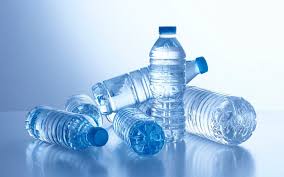
Bottled water is purified, treated, or naturally sourced drinking water packaged in sealed containers for human consumption. It is produced and distributed in various bottle sizes and packaging formats to provide safe, convenient, and portable hydration. Depending on its source and processing method, bottled water may be classified as natural mineral water, spring water, purified water, distilled water, alkaline water, or enhanced water containing added minerals and nutrients.
Bottled water is one of the most widely consumed beverages worldwide due to its convenience, accessibility, and importance in maintaining hydration and overall health. It serves as a reliable source of clean drinking water for households, businesses, travelers, athletes, and individuals in various environments.
Introduction
Water is an essential component of life and plays a critical role in maintaining the normal functioning of the human body. As awareness of health, hygiene, and safe drinking practices has increased, bottled water has become a major segment of the global beverage industry. Consumers rely on bottled water for its convenience, portability, and assurance of quality, especially in situations where access to safe drinking water may be limited or uncertain.
The bottled water industry has experienced significant growth over the past few decades due to increasing urbanization, changing lifestyles, rising health consciousness, and improvements in packaging and distribution technologies. Modern bottled water products are manufactured under strict quality control standards to ensure safety, purity, and consistency. Advanced filtration, purification, and mineral-balancing processes are used to produce water that meets regulatory requirements and consumer expectations.
Bottled water is available in a wide range of sizes, from small single-serving bottles to large bulk containers intended for homes and offices. Manufacturers also offer specialized products such as mineral water, sparkling water, flavored water, alkaline water, and vitamin-enhanced water to meet diverse consumer preferences.
In addition to daily hydration, bottled water plays an important role in travel, hospitality services, emergency preparedness, sports activities, healthcare facilities, educational institutions, and workplaces. Its widespread availability and ease of use have made it one of the most trusted and consumed beverage products globally.
As consumers continue to prioritize health, convenience, and product quality, bottled water remains a vital component of the beverage market and an essential product for everyday life.
Product Specifications
Specification Parameter
Description
Product Name
Bottled Water
Product Category
Non-Alcoholic Beverage
Main Ingredient
Purified or naturally sourced water
Product Type
Drinking Water
Appearance
Clear, colorless liquid
Taste
Clean, fresh, and neutral
Odor
Odorless
Water Source
Spring, mineral source, groundwater, municipal supply, or purified source
Processing Method
Filtration, purification, mineral balancing, bottling
Packaging Material
PET plastic bottles, glass bottles, recyclable containers
Bottle Sizes
250 ml, 500 ml, 750 ml, 1 L, 1.5 L, 5 L, 10 L, 20 L and more
Shelf Life
Typically 12–24 months when properly stored
Storage Conditions
Store in a cool, clean, and dry environment away from direct sunlight
Nutritional Value
Hydration with minimal or no calories
Consumption Method
Ready-to-drink
Target Consumers
All age groups
Quality Standards
Produced according to drinking water safety regulations
Portability
Highly portable and convenient
Market Availability
Supermarkets, convenience stores, restaurants, hotels, offices, and online retailers
Features of Bottled Water
1. Safe Drinking Water
Bottled water is processed and packaged under controlled conditions to ensure safety and compliance with drinking water standards.
2. Convenient Packaging
Available in various sizes and formats, bottled water provides a practical hydration solution for different occasions and consumer needs.
3. Portability
Lightweight packaging allows consumers to carry bottled water during travel, work, sports, and outdoor activities.
4. Consistent Quality
Quality control measures help maintain consistent taste, purity, and safety across production batches.
5. Hygienic Packaging
Sealed bottles protect the water from contamination during transportation, storage, and consumption.
6. Variety of Product Options
Consumers can choose from purified water, mineral water, sparkling water, alkaline water, and enhanced water products.
7. Long Shelf Life
When stored correctly, bottled water retains its quality for extended periods.
Manufacturing Process
The production of bottled water involves several carefully controlled stages to ensure purity and safety.
Water Source Collection
Water is obtained from approved natural or treated sources that meet regulatory requirements.
Filtration
The water undergoes filtration processes to remove particles, sediments, and impurities.
Purification
Advanced purification methods such as reverse osmosis, ultraviolet treatment, ozonation, or distillation may be used.
Mineral Adjustment
Some products have minerals added or balanced to achieve desired taste and composition.
Quality Testing
The water is tested for microbiological, chemical, and physical quality parameters.
Bottling
Purified water is filled into sterilized containers under hygienic conditions.
Sealing and Labeling
Containers are sealed, labeled, coded, and prepared for distribution.
Packaging and Distribution
Finished products are packaged and transported through retail and wholesale distribution networks.
Types of Bottled Water
Purified Water
Water that has undergone extensive treatment processes to remove impurities and contaminants.
Natural Mineral Water
Water sourced from underground mineral-rich formations and bottled at the source.
Spring Water
Collected from natural springs where groundwater naturally flows to the surface.
Distilled Water
Water purified through distillation, removing minerals and dissolved substances.
Alkaline Water
Water with a higher pH level and often enhanced with alkaline minerals.
Sparkling Water
Carbonated water containing dissolved carbon dioxide that creates effervescence.
Flavored Water
Water infused with natural or artificial flavors for enhanced taste.
Enhanced Water
Products containing added vitamins, minerals, electrolytes, or functional ingredients.
Uses of Bottled Water
1. Daily Hydration
Bottled water is primarily consumed to maintain proper hydration and support overall health.
2. Travel and Transportation
Its portability makes bottled water ideal for travel, commuting, and tourism activities.
3. Workplace Consumption
Many offices provide bottled water for employees and visitors.
4. Educational Institutions
Schools, colleges, and universities use bottled water to ensure convenient access to drinking water.
5. Hospitality Industry
Hotels, restaurants, conference centers, and event venues frequently offer bottled water to guests.
6. Sports and Fitness Activities
Athletes and fitness enthusiasts consume bottled water before, during, and after physical activity.
7. Healthcare Facilities
Hospitals, clinics, and healthcare centers provide bottled water for patients and staff.
8. Emergency Preparedness
Bottled water is a critical component of emergency and disaster relief supplies.
9. Outdoor Recreation
Camping, hiking, picnics, and outdoor events commonly rely on bottled water for hydration.
10. Corporate and Promotional Use
Branded bottled water is often distributed during corporate events, exhibitions, and marketing campaigns.
Advantages of Bottled Water
Reliable Hydration Source
Provides convenient access to safe drinking water in various environments.
Convenience
Ready-to-drink packaging eliminates the need for additional preparation or treatment.
Product Variety
Different water types and bottle sizes accommodate diverse consumer preferences.
Wide Availability
Bottled water is easily accessible through numerous retail and distribution channels.
Hygienic and Safe
Sealed packaging protects product quality and minimizes contamination risks.
Long Storage Stability
Properly stored bottled water maintains its quality over extended periods.
Quality Considerations
To ensure high-quality bottled water products, manufacturers focus on:
Source water protection
Advanced purification systems
Microbiological safety testing
Chemical quality monitoring
Hygienic bottling operations
Packaging integrity
Regulatory compliance
Continuous quality assurance procedures
These measures help guarantee product safety, purity, and consumer confidence.
Market Demand and Consumer Trends
The global bottled water market continues to expand due to growing health awareness and increasing demand for convenient beverages. Key industry trends include:
Premium mineral water products
Sustainable and recyclable packaging
Eco-friendly production practices
Alkaline and functional waters
Vitamin-enhanced beverages
Smart packaging technologies
Refillable and reusable container solutions
Reduced plastic usage initiatives
Consumers increasingly seek products that combine safety, convenience, sustainability, and health benefits, driving innovation across the bottled water industry.
Conclusion
Bottled water is an essential beverage product that provides safe, convenient, and portable hydration for consumers worldwide. Produced through rigorous purification and quality control processes, it serves as a dependable source of drinking water for daily consumption, travel, sports, hospitality services, healthcare facilities, and emergency situations.
Its versatility, accessibility, and wide range of product options have made bottled water one of the most important segments of the global beverage market. As consumer awareness of health, hydration, and environmental sustainability continues to grow, manufacturers are investing in innovative technologies, sustainable packaging solutions, and premium water products.
With its critical role in supporting health and well-being, bottled water is expected to remain a vital and highly demanded product in both domestic and international markets for years to come.