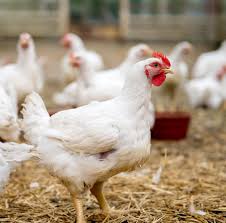
Broilers are a specialized category of poultry chickens that are specifically bred and raised for rapid meat production. They are known for their fast growth rate, high feed efficiency, and tender meat quality. Unlike layer chickens, which are raised primarily for egg production, broilers are managed for short production cycles focused entirely on producing high-quality chicken meat for commercial and domestic consumption.
Broiler farming is one of the most important sectors of the global poultry industry due to the high demand for affordable animal protein. Chicken meat from broilers is widely consumed in homes, restaurants, fast-food chains, and food processing industries.
Broilers are typically raised under intensive or semi-intensive systems where nutrition, housing, and health management are carefully controlled to maximize growth and minimize production time.
Definition of Broilers
Broilers are domesticated chickens bred and raised specifically for meat production, characterized by rapid growth, efficient feed conversion, and high muscle development, particularly in the breast and thigh regions.
They are scientifically classified under:
Gallus gallus domesticus
Broilers are usually harvested at a young age, typically between 5 to 8 weeks, depending on breed and farming practices, when they reach optimal market weight.
Characteristics of Broilers
Broilers have distinct biological and production characteristics:
Rapid growth rate
High feed conversion efficiency
Large breast muscle development
Short production cycle
Tender and soft meat texture
Uniform body size in commercial breeds
Sensitive to environmental conditions
These traits make broilers highly suitable for industrial poultry production.
Types of Broiler Production Systems
1. Intensive Broiler Farming
High-density indoor housing
Controlled temperature and ventilation
Commercial feed systems
Maximum productivity focus
2. Semi-Intensive System
Combination of indoor housing and outdoor access
Moderate stocking density
Reduced production costs
3. Free-Range Broilers
Birds have outdoor access
Natural feeding supplements diet
Improved meat flavor and texture
4. Organic Broilers
Raised without synthetic additives or antibiotics (depending on certification standards)
Organic feed used
Higher market value
Production and Growth Cycle
Broiler production follows a strict and fast-paced growth cycle:
1. Day-Old Chicks (DOC)
Broiler production starts with high-quality hatchery chicks selected for growth performance.
2. Brooding Stage (0–2 weeks)
Chicks are kept in warm controlled environments to ensure survival and early development.
3. Grower Stage (3–5 weeks)
Rapid muscle development occurs with high-protein feed.
4. Finisher Stage (5–8 weeks)
Final weight gain stage before marketing.
5. Market Readiness
Birds are selected based on weight, uniformity, and health status.
Vitamins and minerals for immunity and bone development
Clean water supply at all times
Proper nutrition directly affects growth rate and meat quality.
Physical and Market Characteristics
Broilers are recognized by:
White or light-colored feathers (common commercial breeds)
Large breast and thigh muscles
Soft, tender meat texture
Uniform size in commercial batches
High dressing percentage (meat yield after processing)
Tabulated Specification of Broilers
Specification
Details
Product Name
Broilers
Scientific Name
Gallus gallus domesticus
Product Type
Meat poultry
Production Purpose
Chicken meat production
Growth Duration
5–8 weeks (commercial systems)
Feed Type
High-protein formulated feed
Weight Range
1.5 kg – 3.5 kg (market weight depending on system)
Housing Systems
Intensive, semi-intensive, free-range
Feed Conversion Ratio
High efficiency (low feed required per kg of meat)
Temperature Requirement
Controlled warm environment
Health Management
Vaccination and biosecurity measures
Market Form
Live birds or processed meat
Traceability
Farm or commercial poultry system
Uses of Broilers
Broilers are primarily used for meat production, but their applications extend across multiple sectors:
1. Household Consumption
Broiler meat is a staple protein source in daily diets worldwide.
2. Restaurants and Fast Food Industry
Widely used in:
Fried chicken
Grilled chicken dishes
Burgers and sandwiches
Rotisserie chicken
3. Food Processing Industry
Used in:
Frozen chicken products
Sausages and nuggets
Ready-to-eat meals
Canned poultry products
4. Hospitality Industry
Hotels and catering services rely on broiler meat for large-scale food preparation.
5. Commercial Poultry Trade
Broilers are sold live or processed in wholesale and retail poultry markets.
Economic Importance of Broilers
Broiler production is a major contributor to global agriculture:
Provides affordable animal protein
Creates employment in farming, processing, and distribution
Generates income for small and large-scale farmers
Supports export and domestic poultry markets
High turnover due to short production cycles
It is one of the fastest-growing livestock industries worldwide.
Health and Nutrition Value
Broiler meat is valued for its nutritional benefits:
High-quality protein for muscle growth
Low fat content (depending on cut and preparation)
Rich in essential amino acids
Source of vitamins B6 and B12
Provides minerals such as zinc and phosphorus
Health and Management Practices
Proper broiler management includes:
Vaccination programs to prevent diseases
Strict biosecurity measures
Clean and ventilated housing
Controlled stocking density
Balanced feeding schedules
Regular monitoring of flock health
Environmental Considerations
Broiler farming impacts the environment in both positive and manageable ways:
Efficient feed-to-meat conversion reduces resource use
Poultry manure can be used as organic fertilizer
Requires proper waste management to prevent pollution
Can be integrated into sustainable farming systems
Storage and Handling Guidelines
For live broilers and processed meat:
Maintain clean, ventilated housing for live birds
Avoid overcrowding during transport
Use refrigerated storage for processed meat
Follow hygiene and food safety standards
Ensure humane handling practices
Quality Control Standards
High-quality broilers must meet:
Healthy appearance and active behavior (live birds)
Proper weight and uniform size
Absence of disease symptoms
Clean feathers and good body condition
Compliance with veterinary inspection
Safe feed and drug residue limits
Conclusion
Broilers are a cornerstone of the global poultry industry, providing a fast, efficient, and affordable source of high-quality meat protein. As a specialized form of Gallus gallus domesticus, broilers are bred and managed specifically for rapid growth and optimal meat production.
Their short production cycle, high feed efficiency, and strong market demand make them one of the most economically important livestock products worldwide. From household kitchens to international food chains, broiler meat plays a vital role in global nutrition and food security.
In essence, broilers are not just poultry—they are a highly optimized agricultural product that supports livelihoods, sustains global protein supply, and drives the modern poultry industry forward.