Cakes are among the most beloved and widely consumed bakery products worldwide, celebrated for their rich flavors, attractive appearance, versatility, and cultural significance. Traditionally associated with celebrations, special occasions, and social gatherings, cakes have evolved from simple baked goods into a diverse category of premium confectionery products enjoyed by people of all ages. Whether served at birthdays, weddings, anniversaries, corporate events, festivals, or as everyday desserts, cakes continue to hold a special place in global culinary traditions.
The modern cake industry has expanded significantly, offering consumers a wide variety of products ranging from classic sponge cakes and butter cakes to premium gourmet creations, specialty dietary cakes, and customized designer cakes. Advances in baking technology, ingredient innovation, and decoration techniques have enabled manufacturers and bakeries to produce cakes that combine exceptional taste, texture, visual appeal, and nutritional value.
Today, cakes are available through bakeries, supermarkets, cafés, restaurants, hotels, online retailers, and food service establishments. They are produced in various sizes, flavors, shapes, and formulations to meet the diverse preferences of consumers across different cultures and markets. The growing demand for premium desserts, personalized celebrations, and innovative bakery products continues to drive the expansion of the global cake market.
Product Definition
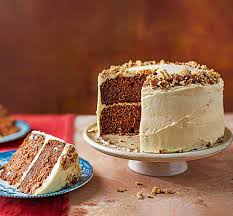
Cakes are baked confectionery products typically made from a combination of flour, sugar, eggs, fats, leavening agents, and flavoring ingredients. These ingredients are mixed to form a batter or dough, baked under controlled conditions, and often decorated or filled with creams, fruits, chocolates, nuts, frostings, or other specialty ingredients.
Depending on the recipe and intended use, cakes may vary in texture from light and airy sponge cakes to dense and rich fruit cakes. They can be produced as layered cakes, sheet cakes, cupcakes, cheesecakes, mousse cakes, celebration cakes, and specialty desserts. Cakes are valued for their appealing taste, decorative possibilities, and suitability for a wide range of occasions and consumer preferences.
Manufactured under strict quality and food safety standards, cakes represent a major segment of the global bakery and confectionery industry.
Ambient, Refrigerated, or Frozen Depending on Type
Nutritional Value
Source of Carbohydrates, Energy, and Selected Nutrients
Quality Grade
Commercial, Premium, Artisan, Luxury
Target Consumers
Households, Bakeries, Restaurants, Hotels
Food Safety Compliance
HACCP, GMP, and Applicable Food Standards
Availability
Retail, Wholesale, Food Service, Online Markets
Key Features of Cakes
1. Wide Variety of Flavors
Cakes are available in an extensive range of flavors designed to satisfy different consumer tastes and preferences.
Popular varieties include:
Vanilla Cake
Chocolate Cake
Red Velvet Cake
Fruit Cake
Carrot Cake
Lemon Cake
Coffee Cake
Marble Cake
Coconut Cake
Strawberry Cake
Pineapple Cake
Black Forest Cake
Cheesecake
Tiramisu Cake
Mousse Cake
2. Attractive Appearance
One of the defining characteristics of cakes is their visual appeal. Modern cake decorating techniques allow for highly creative and customized designs suitable for various occasions.
3. Versatility
Cakes can be produced in numerous sizes, shapes, flavors, and formulations to meet specific consumer requirements.
4. Premium Ingredient Options
Many cakes incorporate premium ingredients such as:
Belgian Chocolate
Fresh Fruits
Dairy Cream
Almonds
Walnuts
Pistachios
Natural Flavorings
Specialty Fillings
5. Suitable for Celebrations
Cakes are considered essential products for birthdays, weddings, anniversaries, graduations, and festive occasions.
6. Customization Potential
Modern cake production allows for personalized designs, messages, themes, colors, and decorations.
Production and Manufacturing Process
Ingredient Selection
High-quality ingredients are selected to ensure optimal flavor, texture, and appearance.
Mixing
Ingredients are accurately measured and mixed to create a uniform batter.
Aeration
The mixing process incorporates air into the batter, contributing to cake volume and softness.
Depositing
The batter is deposited into molds, pans, or baking trays according to product specifications.
Baking
The cake is baked under controlled temperature and humidity conditions until the desired structure and texture are achieved.
Cooling
After baking, cakes are cooled to stabilize their structure before further processing.
Filling and Layering
For layered cakes, fillings such as cream, fruit preserves, mousse, or chocolate ganache may be added.
Decoration
Decorative elements may include:
Frosting
Buttercream
Fondant
Chocolate Decorations
Fresh Fruits
Nuts
Edible Flowers
Sugar Art
Packaging
Finished cakes are packaged to protect freshness, appearance, and product integrity.
Distribution
Products are distributed through retail stores, bakeries, supermarkets, cafés, hotels, and food service channels.
Nutritional Value of Cakes
The nutritional profile of cakes varies depending on ingredients and formulation.
Carbohydrates
Cakes provide carbohydrates that serve as a source of energy.
Fats
Butter, oils, cream, and other fat-containing ingredients contribute flavor, texture, and energy.
Protein
Eggs, milk products, and certain ingredients provide moderate amounts of protein.
Vitamins
Depending on ingredients, cakes may contain:
Vitamin A
Vitamin D
Riboflavin
Niacin
Folic Acid
Minerals
Common minerals found in cakes include:
Calcium
Iron
Phosphorus
Magnesium
Potassium
Specialty Nutritional Options
Modern cake manufacturers offer:
Reduced-Sugar Cakes
Gluten-Free Cakes
Vegan Cakes
High-Protein Cakes
Organic Cakes
Dairy-Free Cakes
Uses of Cakes
Celebratory Events
Cakes are a central feature of many celebrations including:
Birthdays
Weddings
Anniversaries
Graduations
Religious Festivals
Corporate Events
Household Consumption
Families frequently enjoy cakes as desserts, snacks, or treats during social gatherings.
Hospitality Industry
Hotels and resorts offer cakes as part of dessert menus, buffets, and special event catering.
Restaurants and Cafés
Cakes are popular menu items that complement beverages and meal services.
Catering Services
Catering companies provide customized cakes for weddings, conferences, and private functions.
Gift Products
Premium cakes are often purchased as gifts for personal and professional occasions.
Bakery Retail Sales
Independent bakeries and retail chains generate substantial revenue through cake sales.
Culinary Applications
Cakes can be served and utilized in various ways.
Dessert Service
Cakes are commonly served as standalone desserts after meals.
Afternoon Tea
Many cake varieties complement tea and coffee service.
Dessert Buffets
Hotels and event venues frequently include cakes in dessert displays.
Layered Desserts
Cake components are often incorporated into specialty dessert creations.
Ice Cream Pairings
Cakes pair well with ice cream and frozen desserts.
Specialty Plated Desserts
Restaurants often use cakes as the foundation for premium dessert presentations.
Benefits of Cakes
Consumer Enjoyment
Cakes provide indulgence, satisfaction, and enjoyment across all age groups.
Versatility
Available in numerous flavors, textures, and styles.
High Market Demand
Cakes remain one of the most consistently demanded bakery products globally.
Strong Gift Appeal
Decorative and premium cakes are popular gift items.
Event Significance
Cakes contribute to the celebration and memorability of special occasions.
Business Opportunities
Cake production offers significant opportunities for bakeries, food manufacturers, and entrepreneurs.
Packaging and Storage
Cake packaging is designed to preserve freshness and protect decorative elements.
Common packaging formats include:
Cardboard Cake Boxes
Transparent Display Containers
Plastic Clamshell Containers
Premium Gift Packaging
Multi-Portion Trays
Storage recommendations vary by product type:
Ambient Cakes
Store in a cool, dry environment away from direct sunlight.
Refrigerated Cakes
Maintain temperatures between 2°C and 8°C.
Frozen Cakes
Store at -18°C or below for extended shelf life.
Proper storage ensures product quality, texture, flavor, and food safety.
Market Demand and Consumer Appeal
The global cake market continues to expand due to increasing consumer spending on premium bakery products, growing urbanization, and rising demand for celebration foods. Consumers increasingly seek unique flavors, personalized designs, healthier formulations, and premium ingredients.
The popularity of online ordering platforms, specialty bakeries, and custom cake services has further contributed to market growth. Social media trends and visually appealing cake designs have also enhanced consumer interest and purchasing behavior.
Manufacturers continue to innovate by introducing new recipes, dietary alternatives, and decorative techniques that cater to evolving consumer preferences. As a result, cakes remain one of the most dynamic and profitable categories within the bakery and confectionery industry.
Conclusion
Cakes are among the most cherished and versatile bakery products in the global food industry, valued for their exceptional taste, attractive appearance, and cultural significance. Produced using carefully selected ingredients and advanced baking techniques, cakes serve as an essential component of celebrations, hospitality services, retail bakery operations, and everyday indulgence. Their wide variety of flavors, textures, designs, and applications makes them suitable for consumers of all ages and preferences. As demand for premium desserts, customized products, and innovative bakery solutions continues to grow, cakes remain a highly important and enduring segment of the worldwide bakery market.