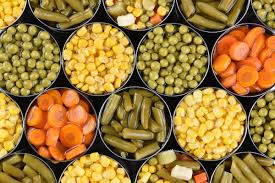
Canned vegetables are food products made from fresh vegetables that have been cleaned, cut, cooked or blanched, and preserved in airtight containers such as metal cans or glass jars. They are typically packed in water, brine, or light seasoning solutions and then heat-sterilized to ensure long shelf life and food safety.
Common canned vegetables include peas, carrots, corn, green beans, mixed vegetables, spinach, and tomatoes. These products are designed to provide convenient access to nutritious vegetables all year round without the need for immediate refrigeration or extensive preparation.
Introduction
Canned vegetables are an essential part of the modern food supply chain, offering a practical solution for preserving seasonal vegetables and making them available throughout the year. Before the development of canning technology, vegetables were highly perishable and available only during specific seasons. Canning has transformed this limitation by extending shelf life while retaining much of the vegetables’ nutritional value and flavor.
The production process begins with selecting fresh, high-quality vegetables that are harvested at peak ripeness. These vegetables are washed, sorted, and prepared by peeling, cutting, or trimming as needed. They are then blanched briefly to preserve color, texture, and nutrients before being packed into sterilized containers with liquid such as water or brine.
Once sealed, the cans undergo heat sterilization to eliminate microorganisms and ensure long-term preservation. This process allows canned vegetables to remain safe for consumption for months or even years without refrigeration.
Canned vegetables are widely used in households, restaurants, catering services, and food manufacturing industries. They are valued for their convenience, affordability, and ability to reduce meal preparation time while maintaining nutritional benefits.
Today, canned vegetables play a significant role in global food security, especially in regions where fresh produce may be seasonal or difficult to access.
Store in a cool, dry place; refrigerate after opening
Nutritional Value
Rich in fiber, vitamins (A, C, K), minerals, and antioxidants
Consumption Method
Ready-to-eat or used in cooking
Target Consumers
Households, restaurants, food service providers
Quality Standards
Produced under strict food safety and hygiene regulations
Market Availability
Supermarkets, grocery stores, wholesale markets
Features of Canned Vegetables
1. Year-Round Availability
Canned vegetables provide access to seasonal produce throughout the year regardless of harvest cycles.
2. Nutritional Value
They retain important vitamins, minerals, and dietary fiber that support overall health.
3. Long Shelf Life
Properly canned vegetables can last for years without spoilage or refrigeration.
4. Ready-to-Use Convenience
They are pre-cooked or blanched, making them easy to use in cooking.
5. Consistent Quality
Canning ensures uniform texture, taste, and appearance across all batches.
6. Reduced Food Waste
Long shelf life helps reduce spoilage and household food waste.
7. Versatile Ingredient
Suitable for a wide range of recipes across different cuisines.
Manufacturing Process
The production of canned vegetables involves several controlled stages:
1. Selection of Vegetables
Fresh, mature vegetables are selected based on quality standards.
2. Washing and Sorting
Vegetables are cleaned thoroughly and sorted to remove damaged items.
3. Peeling and Cutting
Depending on the type, vegetables are peeled, trimmed, or cut into desired sizes.
4. Blanching
Vegetables are briefly heated to preserve color, texture, and nutrients.
5. Filling
Prepared vegetables are placed into sterilized cans along with water or brine.
6. Sealing
Cans are hermetically sealed to prevent contamination.
7. Sterilization
Sealed cans are heat-treated under pressure to destroy microorganisms.
8. Cooling
Cans are rapidly cooled to maintain quality and texture.
9. Labeling and Distribution
Finished products are labeled, packed, and distributed to markets.
Types of Canned Vegetables
1. Canned Peas
Soft green peas used in salads, rice dishes, and soups.
2. Canned Carrots
Sliced or diced carrots used in stews and side dishes.
3. Canned Corn
Sweet corn kernels commonly used in salads and snacks.
4. Canned Green Beans
Tender beans used as side dishes or in casseroles.
5. Mixed Vegetables
A combination of peas, carrots, corn, and beans.
6. Canned Spinach
Leafy green vegetable used in soups and sauces.
7. Canned Tomatoes
Used as a base for sauces, soups, and cooking.
Uses of Canned Vegetables
1. Quick Meal Preparation
Provides ready-to-use vegetables for fast cooking.
2. Soups and Stews
Used to enhance nutrition, texture, and flavor.
3. Side Dishes
Served alongside rice, meat, or other staples.
4. Salads
Used in cold dishes for added variety and nutrition.
5. Food Industry Use
Widely used in processed foods and ready meals.
6. Restaurant and Catering Services
Helps reduce preparation time in large-scale cooking.
7. Emergency Food Supply
Useful for long-term storage and disaster preparedness.
Advantages of Canned Vegetables
Convenience
Ready-to-use and requires minimal preparation.
Long Shelf Life
Can be stored safely for extended periods.
Nutritional Benefits
Provides essential vitamins, minerals, and fiber.
Cost Efficiency
Reduces food waste and seasonal price fluctuations.
Versatility
Suitable for a wide variety of dishes.
Accessibility
Available in most retail and grocery stores worldwide.
Quality Considerations
To ensure high-quality canned vegetables, manufacturers focus on:
Selection of fresh, high-grade vegetables
Proper cleaning and blanching
Hygienic processing and packaging
Accurate brine formulation
Effective sterilization
Airtight sealing of containers
Nutrient retention monitoring
Compliance with food safety standards
Market Demand and Consumer Trends
The global canned vegetables market is growing steadily due to increasing demand for convenience foods. Key trends include:
Low-sodium and no-preservative options
Organic canned vegetable products
Mixed vegetable blends for quick cooking
Eco-friendly and recyclable packaging
Ready-to-eat meal kits
Health-focused product formulations
Consumers increasingly prefer canned vegetables because they combine nutrition, convenience, and affordability in modern lifestyles.
Conclusion
Canned vegetables are a practical, nutritious, and long-lasting food product that provides easy access to essential vegetables throughout the year. They play a vital role in modern diets by offering convenience without significantly compromising nutritional value.
Their versatility in cooking, long shelf life, and widespread availability make them an essential household and commercial food ingredient. As demand for convenient and healthy food options continues to grow, canned vegetables remain a key product in the global food industry, supporting both nutrition and food security.