Carrots – Nutrient-Rich Root Vegetable for Fresh Consumption, Food Processing, and Global Culinary Applications
Introduction
Carrots are among the most widely cultivated and consumed root vegetables in the world. Scientifically known as Daucus carota, carrots are valued for their crunchy texture, natural sweetness, vibrant color, and exceptional nutritional benefits. They are consumed fresh, cooked, juiced, or processed into a variety of food products across global markets.
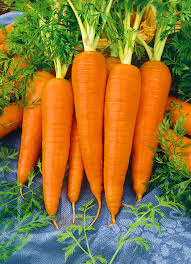
Carrots are typically orange in color, although varieties also exist in purple, red, yellow, and white forms. The vegetable is recognized for its elongated tapered root structure and crisp flesh, making it suitable for both raw and cooked culinary applications.
One of the most important characteristics of carrots is their high beta-carotene content, which the body converts into vitamin A. This nutrient is essential for vision, immune support, and healthy skin. Carrots are also rich in dietary fiber, antioxidants, vitamins, and minerals that contribute to overall health and wellness.
Carrots are highly versatile in food preparation. They are used in salads, soups, stews, stir-fries, baked dishes, juices, smoothies, baby foods, and snacks. They are also processed into frozen products, purees, dehydrated flakes, and carrot-based beverages.
The global demand for carrots continues to grow due to increasing awareness of healthy diets, plant-based nutrition, and natural food products. Carrots are widely distributed through supermarkets, restaurants, food processors, catering services, and export markets.
Modern carrot production involves improved seed varieties, proper soil preparation, irrigation systems, fertilization, pest management, harvesting, washing, sorting, packaging, and cold-chain storage. These practices ensure high-quality products and reduce post-harvest losses.
Carrots also play a major role in food processing industries where they are transformed into convenient and shelf-stable products for retail and industrial use. Their nutritional value and versatility make them an important agricultural commodity worldwide.
Today, carrots remain one of the most valuable root vegetables in global food systems, supporting nutrition, culinary diversity, and agricultural economies.
Product Definition
Carrots are edible root vegetables obtained from the plant Daucus carota, cultivated for fresh consumption, cooking, juice production, and food processing. They are valued for their sweet flavor, crunchy texture, and high nutritional content.
Carrots may be sold fresh, frozen, dried, juiced, or processed into puree and other food products depending on market demand.
Product Features
1. Naturally Sweet Flavor
Carrots provide a mild sweetness suitable for many culinary uses.
2. Rich in Beta-Carotene
They are excellent sources of vitamin A precursors.
3. Crunchy Texture
Fresh carrots offer a firm and crisp eating experience.
4. Nutrient-Dense Vegetable
Contain vitamins, minerals, antioxidants, and dietary fiber.
5. Wide Culinary Applications
Used in salads, soups, juices, snacks, and processed foods.
6. Strong Global Demand
Carrots are widely consumed in households and food industries worldwide.
Tabulated Product Specifications
Parameter
Specification
Product Name
Carrots
Scientific Name
Daucus carota
Product Type
Root Vegetable
Color
Orange / Purple / Yellow / Red
Texture
Crunchy / Firm
Flavor
Mildly Sweet
Moisture Content
85% – 90%
Carbohydrate Content
7% – 10%
Fiber Content
2% – 4%
Protein Content
1% – 2%
Fat Content
Less than 1%
Shelf Life
Several Weeks (proper storage)
Packaging
Plastic bags / Cartons / Bulk crates
Packaging Sizes
Retail and Wholesale
Storage Condition
Cool and Refrigerated Environment
Main Applications
Fresh Consumption and Processing
Quality Grade
Premium Food Grade
Origin
Farm Cultivated
Nutritional Composition
Carrots are highly nutritious vegetables that support healthy living.
Beta-Carotene
Converted into vitamin A, essential for vision and immunity.
Vitamins
Vitamin A
Vitamin C
Vitamin K
Vitamin B6
Minerals
Potassium
Calcium
Magnesium
Phosphorus
Dietary Fiber
Supports digestion and gut health.
Antioxidants
Help protect the body from oxidative stress.
Uses of Carrots
1. Fresh Consumption
Carrots are widely eaten raw due to their crisp texture.
Common Uses
Salads
Fresh snacks
Vegetable platters
Garnishes
2. Cooking Ingredient
Used in many cooked dishes worldwide.
Applications
Soups
Stews
Stir-fries
Rice dishes
3. Juice and Beverage Industry
Carrots are used in nutritious drinks and smoothies.
Beverage Products
Carrot juice
Mixed vegetable drinks
Health smoothies
4. Food Processing Industry
Processed into several commercial products.
Processed Products
Frozen carrots
Carrot puree
Dehydrated carrots
Baby food
5. Bakery and Dessert Industry
Used in cakes, muffins, and sweet dishes.
Cultivation and Processing
Carrot production requires suitable soils and careful handling.
Soil Preparation
Carrots grow best in loose, well-drained soils.
Seed Planting
High-quality seeds are planted for uniform root growth.
Crop Management
Includes irrigation, fertilization, and pest control.
Harvesting
Roots are harvested when mature and properly sized.
Washing and Cleaning
Carrots are washed to remove soil and impurities.
Sorting and Grading
Products are sorted by size, shape, and quality.
Packaging
Proper packaging preserves freshness and prevents damage.
Quality Assurance
Strict quality control ensures safe and premium-quality carrots.
Quality assurance measures include:
Selection of quality seeds
Controlled farming practices
Proper harvesting techniques
Hygiene inspection
Sorting and grading standards
Packaging quality checks
Cold-chain monitoring
Food safety compliance
These ensure safe and high-quality products for markets.
Packaging and Storage
Proper storage is essential to maintain freshness and texture.
Common packaging options include:
Plastic bags
Carton boxes
Bulk crates
Vacuum packaging (processed forms)
Recommended storage conditions include:
Refrigerated environment
High humidity control
Protection from sunlight
Hygienic handling
Cold-chain transport
Proper storage extends shelf life and preserves quality.
Advantages of Carrots
High Nutritional Value
Rich in vitamin A, fiber, and antioxidants.
Versatile Culinary Use
Suitable for fresh, cooked, and processed applications.
Crunchy and Refreshing
Popular as a healthy snack vegetable.
Strong Industrial Demand
Widely used in juice, baby food, and processed food industries.
Long Storage Potential
Can be stored for extended periods under proper conditions.
Commercial Importance
Carrots are important commodities in fresh produce and food processing industries.
Reliable suppliers ensure:
Consistent quality supply
Proper grading and packaging
Competitive pricing
Efficient logistics
Export-standard handling
Timely delivery
These factors support strong demand in domestic and international markets.
Conclusion
Carrots remain one of the world’s most important root vegetables due to their nutritional richness, sweet flavor, crunchy texture, and versatility. Their role in fresh consumption, cooking, juice production, and food processing makes them essential commodities in modern food systems.
Premium-quality carrots are carefully cultivated, harvested, cleaned, sorted, and packaged to maintain freshness, nutritional value, and market quality. From salads and soups to juices and processed foods, carrots continue to support healthy nutrition, food innovation, agriculture, and global trade.
As global demand for nutritious and convenient food products continues to rise, carrots remain a valuable commodity for farmers, processors, exporters, retailers, and consumers worldwide.