Supplier: brownladybug313 Phone: +419572314151 Email: lirode8841@dysonc.com Address: 7183 Place du 8 Février 1962 Belfaux, Switzerland Visit Supplier Store
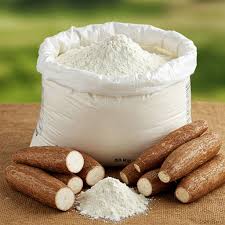
Cassava flour is a versatile and increasingly popular food ingredient derived from the cassava root, a starchy tuber widely cultivated in tropical and subtropical regions around the world. Known for its adaptability, affordability, and nutritional value, cassava has become a staple food crop for millions of people, particularly in Africa, Asia, and Latin America. Through careful processing and milling, cassava roots are transformed into fine flour that serves as an excellent ingredient for a wide range of culinary and industrial applications.
As consumers seek alternative flour options for dietary, cultural, and economic reasons, cassava flour has gained recognition for its unique characteristics. It is naturally gluten-free, making it an attractive option for individuals with gluten intolerance, celiac disease, or those seeking diverse dietary choices. Its neutral flavor, smooth texture, and excellent binding properties make it suitable for baking, cooking, thickening, and food manufacturing.
Modern processing techniques ensure that cassava flour is produced under strict quality and safety standards, preserving its natural qualities while enhancing shelf life and usability. Whether used in traditional recipes, commercial food production, or innovative culinary creations, cassava flour offers a reliable and sustainable alternative to conventional grain-based flours.
This comprehensive product description explores the definition, specifications, features, applications, benefits, storage recommendations, and significance of cassava flour in today’s food industry.
Product Definition
Cassava flour is a finely milled powder produced from the entire cassava root after peeling, washing, drying, and grinding. Unlike some other cassava-derived products, cassava flour utilizes the whole root, resulting in a product that retains much of the root’s natural composition.
It is commonly used as a gluten-free alternative to wheat flour and can be incorporated into various food products such as bread, cakes, pastries, snacks, sauces, and traditional dishes. Cassava flour is valued for its mild taste, smooth consistency, and ability to blend well with other ingredients.
Due to its versatility and accessibility, cassava flour has become an important ingredient for households, bakeries, food processors, and industrial manufacturers worldwide.
Product Specifications
The following table outlines the typical specifications of high-quality cassava flour. Actual values may vary depending on cassava variety, processing methods, and manufacturer standards.
Specification
Description
Product Name
Cassava Flour
Source Material
Cassava Root (Manihot esculenta)
Appearance
Fine powder
Color
White to cream-colored
Texture
Smooth and uniform
Moisture Content
Typically below 13%
Gluten Content
Naturally gluten-free
Taste
Mild and neutral
Odor
Fresh and characteristic cassava aroma
Shelf Life
12–24 months under proper storage
Packaging Options
500g, 1kg, 5kg, 10kg, 25kg, 50kg
Processing Method
Peeled, dried, milled cassava roots
Storage Conditions
Cool, dry, and well-ventilated environment
Additives
Generally additive-free
Food Safety Compliance
HACCP, GMP, ISO Standards
Application Areas
Baking, Cooking, Food Manufacturing
Key Features
1. Naturally Gluten-Free
Cassava flour contains no gluten, making it suitable for individuals following gluten-free diets or those with gluten sensitivities.
2. Neutral Flavor Profile
Its mild taste allows it to blend seamlessly into a variety of recipes without overpowering other ingredients.
3. Fine Texture
Cassava flour has a smooth and consistent texture that contributes to excellent product quality in baking and cooking applications.
4. Excellent Versatility
It can be used in a wide range of food products, from baked goods and snacks to sauces and traditional meals.
5. Easy Digestibility
Cassava flour is generally easy to digest and is commonly included in many staple diets around the world.
6. Strong Binding Properties
The flour helps improve texture and consistency in food products by acting as an effective binding agent.
7. Long Shelf Life
Properly processed and stored cassava flour maintains quality and usability for extended periods.
8. Sustainable Crop Source
Cassava is a resilient crop that grows well in diverse climatic conditions, supporting sustainable agricultural production.
9. Additive-Free Processing
High-quality cassava flour is often produced without artificial additives or preservatives.
10. Wide Culinary Compatibility
It can be used independently or combined with other flours to achieve specific textures and performance characteristics.
Types of Cassava Flour
Traditional Cassava Flour
Produced using conventional drying and milling techniques.
Characteristics:
Widely available
Suitable for traditional recipes
Cost-effective
Applications:
Local dishes
Household cooking
Community food production
Premium Food-Grade Cassava Flour
Manufactured under strict quality controls for commercial food production.
Characteristics:
Consistent quality
Fine texture
High purity
Applications:
Bakeries
Food processing plants
Packaged food products
Organic Cassava Flour
Produced from cassava grown without synthetic fertilizers or pesticides.
Characteristics:
Organic certification
Natural cultivation methods
Environmentally conscious production
Applications:
Health-focused foods
Specialty food markets
Organic baking products
Uses of Cassava Flour
Baking Applications
Cassava flour is increasingly used in baking due to its versatility and gluten-free properties.
Products:
Bread
Cakes
Muffins
Cookies
Pastries
Traditional Foods
Many cultures use cassava flour as a staple ingredient in traditional dishes.
Applications:
Fufu
Thick porridges
Dumplings
Local breads
Thickening Agent
Cassava flour is effective for thickening soups, sauces, and gravies.
Food manufacturers utilize cassava flour in the production of various snack products.
Products:
Crackers
Chips
Extruded snacks
Baked snacks
Gluten-Free Food Manufacturing
Cassava flour serves as a key ingredient in gluten-free product formulations.
Applications:
Gluten-free bakery products
Specialty foods
Health-oriented food products
Household Cooking
Consumers use cassava flour in everyday meal preparation.
Uses:
Pancakes
Batters
Flatbreads
Home baking recipes
Food Processing Industry
Large-scale food manufacturers incorporate cassava flour into diverse product lines.
Applications:
Processed foods
Ready-to-cook products
Convenience foods
Functional food ingredients
Nutritional Benefits
Source of Energy
Cassava flour is rich in carbohydrates, providing a valuable source of dietary energy.
Naturally Gluten-Free
It offers an alternative flour option for individuals avoiding gluten-containing grains.
Low Fat Content
Cassava flour naturally contains very little fat, making it suitable for various dietary preferences.
Supports Diverse Diets
Its versatility allows inclusion in numerous cultural, traditional, and specialized food plans.
Easily Adaptable
Cassava flour can complement other ingredients and flour blends in food formulations.
Benefits of Cassava Flour
Versatile Food Ingredient
Suitable for a wide range of culinary and industrial applications.
Gluten-Free Alternative
Provides a practical substitute for wheat-based flours in many recipes.
Neutral Taste
Allows flexibility in both sweet and savory food products.
Consistent Performance
Delivers reliable results in baking, cooking, and food manufacturing.
Cost-Effective Solution
Cassava cultivation and processing often provide an economical source of flour.
Long-Term Storage Capability
Maintains quality for extended periods when stored correctly.
Supports Local Agriculture
Encourages the utilization of locally grown cassava crops and strengthens agricultural economies.
Suitable for Commercial Production
Widely used by bakeries, food processors, and manufacturers due to its consistent characteristics.
Storage Recommendations
Proper storage is essential for preserving product quality and shelf life.
Recommended Storage Practices
Store in a cool, dry location
Protect from direct sunlight
Use airtight containers after opening
Keep away from moisture and humidity
Prevent exposure to pests and contaminants
Follow proper inventory rotation practices
Adhering to these guidelines helps maintain freshness and product integrity.
Quality Assurance and Safety
High-quality cassava flour is produced under strict quality control procedures to ensure food safety and consistency.
Quality Control Measures
Careful root selection
Thorough washing and peeling
Controlled drying processes
Fine milling operations
Moisture content monitoring
Laboratory testing
Hygienic packaging
These measures help ensure compliance with food safety regulations and customer expectations.
Conclusion
Cassava flour is a highly versatile, gluten-free, and sustainable food ingredient that continues to gain popularity across households, bakeries, food manufacturers, and global markets. Produced from carefully processed cassava roots, it offers a neutral flavor, fine texture, excellent functionality, and broad application potential in both traditional and modern food products.
Its adaptability in baking, cooking, snack production, thickening applications, and gluten-free formulations makes cassava flour an invaluable ingredient in today’s evolving food industry. Additionally, its long shelf life, affordability, and support for sustainable agriculture contribute to its growing demand worldwide.
As consumers and food manufacturers increasingly seek diverse, high-quality, and naturally gluten-free ingredients, cassava flour is well-positioned to remain a vital component of food production and culinary innovation for years to come.