Chili Peppers – Spicy Flavorful Crop for Culinary Use, Food Processing, and Global Spice Markets
Introduction
Chili peppers are among the most widely cultivated and consumed spice vegetables in the world, valued for their heat, flavor, aroma, vibrant colors, and extensive culinary applications. Belonging mainly to the Capsicum species, chili peppers are used in fresh, dried, powdered, and processed forms across nearly every global cuisine.
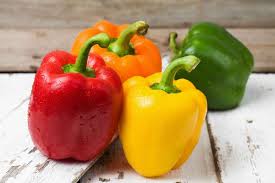
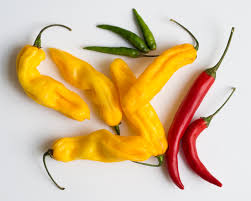
Chili peppers vary greatly in size, shape, color, pungency, and flavor depending on the variety. Common colors include green, red, yellow, orange, and purple, while heat levels range from mildly spicy to extremely hot. Their spiciness comes from a natural compound called capsaicin, which is concentrated mainly in the inner membranes and seeds.
Chili peppers are essential ingredients in many traditional and modern dishes, adding heat, depth, and flavor to sauces, soups, curries, marinades, stir-fries, snacks, and processed foods. They are also widely used in spice blends, seasonings, hot sauces, and preserved products.
One of the major advantages of chili peppers is their nutritional and medicinal value. They contain vitamins, minerals, antioxidants, and bioactive compounds that contribute to metabolism support, immune health, and overall wellness. Red chili peppers are particularly rich in vitamin C and vitamin A.
The global demand for chili peppers continues to grow due to increasing consumption of spicy foods, processed seasonings, and international cuisines. Chili peppers are traded extensively in fresh, dried, powdered, and processed forms across local and global markets.
Modern chili pepper production involves seed selection, greenhouse and field cultivation, irrigation, pest management, harvesting, drying, grinding, packaging, and cold-chain logistics. These practices ensure consistent quality, color, flavor, and shelf stability.
Chili peppers also play a major role in food manufacturing industries where they are processed into chili powder, sauces, extracts, flakes, oils, and ready-to-use spice products. Their strong flavor and preservative properties make them highly valuable in commercial food production.
Today, chili peppers remain important agricultural and culinary commodities worldwide, supporting food industries, spice trade, nutrition, and economic development.
Product Definition
Chili peppers are edible spicy fruits obtained from plants of the Capsicum species, cultivated mainly for culinary use, seasoning, food processing, and spice production. They are valued for their pungency, flavor, color, and versatility.
Chili peppers may be sold fresh, dried, powdered, frozen, pickled, or processed into sauces and extracts depending on market demand.
Product Features
1. Distinctive Spicy Flavor
Chili peppers provide varying levels of heat and pungency.
2. Rich Color Variations
Available in green, red, yellow, orange, and purple varieties.
3. Nutrient-Rich Composition
Contain vitamins, antioxidants, and bioactive compounds.
4. Versatile Culinary Applications
Used fresh, dried, powdered, or processed into sauces and seasonings.
5. Strong Industrial Demand
Widely used in spice manufacturing and food processing industries.
6. Long Shelf Potential
Dried chili products can be stored for extended periods.
Tabulated Product Specifications
Parameter
Specification
Product Name
Chili Peppers
Scientific Name
Capsicum species
Product Type
Spice Vegetable / Fruit
Color
Green / Red / Yellow / Orange
Texture
Firm / Smooth
Flavor
Spicy / Pungent
Moisture Content
70% – 90% (fresh)
Carbohydrate Content
5% – 9%
Fiber Content
1% – 4%
Protein Content
1% – 3%
Fat Content
Less than 1%
Shelf Life
Days (fresh), Months (dried)
Packaging
Crates / Bags / Cartons / Bulk sacks
Packaging Sizes
Retail and Wholesale
Storage Condition
Cool, dry, and ventilated environment
Main Applications
Cooking and Spice Production
Quality Grade
Premium Food Grade
Origin
Farm Cultivated
Nutritional Composition
Chili peppers provide essential nutrients and bioactive compounds.
Capsaicin
Responsible for pungency and heat characteristics.
Vitamins
Vitamin C
Vitamin A
Vitamin B6
Vitamin E
Minerals
Potassium
Magnesium
Iron
Antioxidants
Contain carotenoids and flavonoids that support wellness.
Dietary Fiber
Supports healthy digestion.
Uses of Chili Peppers
1. Culinary Cooking Ingredient
Chili peppers are widely used to add heat and flavor to dishes.
Common Uses
Soups
Stews
Curries
Stir-fries
2. Spice and Seasoning Industry
Processed into spice products used globally.
Spice Products
Chili powder
Chili flakes
Paprika
Spice blends
3. Sauce Manufacturing
Used in hot sauce and condiment production.
Processed Products
Chili sauces
Pepper paste
Marinades
Salsa
4. Food Processing Industry
Added to snacks, canned foods, and ready meals.
5. Pickling and Preservation
Used in preserved vegetable and condiment products.
Cultivation and Processing
Chili pepper production requires controlled agricultural practices.
Soil Preparation
Chili peppers grow best in fertile and well-drained soils.
Seed Planting
High-quality seeds are planted for uniform growth.
Crop Management
Includes irrigation, fertilization, and pest control.
Harvesting
Harvested at appropriate maturity and color stage.
Drying
Fresh peppers may be sun-dried or mechanically dried.
Grinding and Processing
Dried peppers are processed into powders and flakes.
Packaging
Proper packaging maintains flavor and shelf stability.
Quality Assurance
Strict quality control ensures premium chili pepper products.
Quality assurance includes:
Selection of quality seeds
Controlled cultivation practices
Hygiene inspection
Moisture level monitoring
Sorting and grading standards
Color and pungency checks
Packaging inspection
Food safety compliance
These ensure safe and high-quality products.
Packaging and Storage
Proper storage is essential to maintain quality and pungency.
Common packaging options include:
Mesh bags
Plastic crates
Vacuum-sealed pouches
Bulk sacks
Recommended storage conditions include:
Cool and dry environment
Low humidity
Protection from sunlight
Hygienic handling
Airtight packaging for powders
Correct storage extends shelf life and preserves flavor.
Advantages of Chili Peppers
Strong Flavor Enhancement
Adds heat and depth to food products.
High Nutritional Value
Rich in vitamins and antioxidants.
Versatile Applications
Used fresh, dried, powdered, or processed.
Long Shelf Life in Dried Form
Suitable for long-term storage and export.
High Commercial Demand
Important commodity in global spice and food industries.
Commercial Importance
Chili peppers are major commodities in fresh produce and spice markets worldwide.
Reliable suppliers ensure:
Consistent quality supply
Proper drying and grading
Competitive pricing
Efficient logistics
Export-standard packaging
Timely delivery
These factors support strong international trade and industrial demand.
Conclusion
Chili peppers remain one of the world’s most important spice crops due to their pungent flavor, vibrant colors, nutritional value, and industrial versatility. Their role in cooking, seasoning, sauces, spice production, and food processing makes them essential commodities in modern food systems.
Premium-quality chili peppers are carefully cultivated, harvested, dried, processed, and packaged to preserve flavor, heat intensity, color, and nutritional value. From household kitchens to industrial spice manufacturing, chili peppers continue to support culinary traditions, food innovation, agriculture, and global trade.
As global demand for spicy foods, seasonings, and processed food products continues to rise, chili peppers remain valuable commodities for farmers, processors, exporters, retailers, and consumers worldwide.