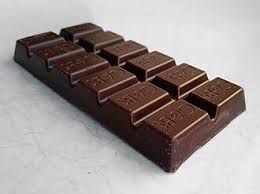
Chocolate bars are solid confectionery products made primarily from cocoa solids, cocoa butter, sugar, and, in some cases, milk ingredients. They are molded into rectangular or customized bar shapes and are consumed as a sweet snack, dessert, or energy-boosting treat. Chocolate bars may be produced as plain chocolate or combined with ingredients such as nuts, caramel, fruits, wafers, biscuits, nougat, or flavored fillings to create a wide range of product variations.
As one of the most popular confectionery products globally, chocolate bars are valued for their rich flavor, smooth texture, convenience, and versatility. They are enjoyed by consumers of all ages and are widely available in supermarkets, convenience stores, vending machines, specialty chocolate shops, and online retail platforms.
Introduction
Chocolate bars have become one of the most recognizable and beloved confectionery products in the world. Their history dates back to the development of modern chocolate manufacturing in the nineteenth century when advancements in cocoa processing enabled the production of solid chocolate suitable for molding into bars. Since then, chocolate bars have evolved into a major segment of the global confectionery industry, with countless varieties designed to meet different consumer preferences.
The primary ingredient in chocolate bars is cocoa, derived from cacao beans harvested from tropical regions around the world. Through processes such as fermentation, roasting, grinding, and refining, cocoa beans are transformed into cocoa mass, cocoa butter, and cocoa powder, which form the foundation of chocolate production. The addition of sugar, milk solids, flavorings, and specialty ingredients allows manufacturers to create diverse products with unique taste profiles and textures.
Chocolate bars are appreciated for their indulgent flavor, satisfying texture, and convenience. They can be consumed as a quick snack, dessert, gift item, or ingredient in various recipes. Their portability and ready-to-eat nature make them particularly attractive to modern consumers seeking convenient food products.
The chocolate industry continues to innovate by introducing premium ingredients, healthier formulations, ethically sourced cocoa, and environmentally sustainable packaging. Consumer demand for dark chocolate, organic chocolate, reduced-sugar options, and functional ingredients has encouraged manufacturers to diversify their product portfolios.
Today, chocolate bars remain a symbol of enjoyment, celebration, and indulgence while maintaining a strong presence in both everyday consumption and special occasions worldwide.
Manufactured according to food safety and confectionery standards
Allergen Information
May contain milk, nuts, soy, and other allergens
Portability
Highly portable and convenient
Market Availability
Supermarkets, convenience stores, specialty shops, and online retailers
Features of Chocolate Bars
1. Rich and Indulgent Flavor
Chocolate bars are known for their distinctive cocoa flavor, which ranges from sweet and creamy to rich and intense depending on the cocoa content and ingredients used.
2. Smooth Texture
High-quality chocolate bars possess a smooth, velvety texture that melts pleasantly in the mouth, enhancing the overall sensory experience.
3. Variety of Formulations
Manufacturers offer a wide range of chocolate bars, including milk chocolate, dark chocolate, white chocolate, and specialty products containing fillings or inclusions.
4. Convenient Packaging
Chocolate bars are individually packaged to maintain freshness and allow easy transportation and consumption.
5. Attractive Appearance
Modern chocolate bars feature appealing designs, segmented portions, embossed patterns, and premium packaging that enhance consumer appeal.
6. Long Shelf Life
When stored under appropriate conditions, chocolate bars retain their quality for extended periods.
7. Versatile Consumption
Chocolate bars can be consumed directly, shared, gifted, or incorporated into various culinary applications.
Manufacturing Process
The production of chocolate bars involves several specialized stages designed to achieve superior flavor, texture, and appearance.
Cocoa Bean Processing
Harvested cacao beans undergo fermentation, drying, roasting, and grinding to produce cocoa mass.
Ingredient Mixing
Cocoa mass is blended with cocoa butter, sugar, milk solids, and other ingredients according to the product formulation.
Refining
The mixture is refined to reduce particle size and create a smooth texture.
Conching
Chocolate is continuously mixed and aerated to improve flavor, texture, and consistency.
Tempering
The chocolate is carefully heated and cooled to stabilize cocoa butter crystals, ensuring gloss, snap, and shelf stability.
Molding
Tempered chocolate is poured into molds and shaped into bars or customized forms.
Cooling
The molded chocolate is cooled under controlled conditions to solidify properly.
Packaging
Finished chocolate bars are packaged to protect against moisture, odors, temperature fluctuations, and physical damage.
Types of Chocolate Bars
Milk Chocolate Bars
Milk chocolate bars contain cocoa solids, cocoa butter, sugar, and milk ingredients, resulting in a sweet and creamy flavor profile.
Dark Chocolate Bars
Dark chocolate bars contain higher cocoa content and less sugar, offering a richer and more intense cocoa flavor.
White Chocolate Bars
White chocolate bars are made primarily from cocoa butter, milk solids, and sugar without cocoa solids.
Filled Chocolate Bars
These bars contain fillings such as caramel, nougat, peanut butter, fruit creams, or flavored centers.
Nut Chocolate Bars
Chocolate bars containing almonds, peanuts, hazelnuts, cashews, or mixed nuts provide additional texture and flavor.
Wafer Chocolate Bars
These products combine layers of crispy wafers with chocolate coatings or fillings.
Fruit Chocolate Bars
Dried fruits such as raisins, cranberries, cherries, or orange pieces are incorporated into the chocolate.
Premium and Artisan Chocolate Bars
These products feature high-quality cocoa, unique flavor combinations, and specialized manufacturing techniques.
Uses of Chocolate Bars
1. Everyday Snacking
Chocolate bars are widely consumed as convenient snacks throughout the day.
2. Dessert Consumption
Many consumers enjoy chocolate bars as standalone desserts after meals.
3. Energy Source
Chocolate bars provide quick energy through their carbohydrate and fat content, making them popular among active individuals.
4. Gifting
Premium chocolate bars are commonly included in gift hampers and special occasion packages.
5. Celebrations and Festivals
Chocolate bars are exchanged and consumed during holidays, birthdays, anniversaries, and festive events.
6. Baking and Cooking
Chocolate bars can be melted and used in cakes, cookies, pastries, brownies, and other dessert recipes.
7. Hospitality Services
Hotels, airlines, restaurants, and cafes frequently offer chocolate bars as complimentary treats or menu items.
8. Promotional Products
Customized chocolate bars are often used for corporate branding, marketing campaigns, and event giveaways.
9. School and Office Snacks
Their convenient size and packaging make chocolate bars suitable for lunchboxes and workplace snack breaks.
10. Travel Companion
Chocolate bars are easy to carry and consume during travel, outdoor activities, and recreational events.
Advantages of Chocolate Bars
High Consumer Acceptance
Chocolate bars are among the most universally enjoyed confectionery products across different age groups and cultures.
Product Diversity
The wide range of flavors, fillings, cocoa percentages, and formats allows manufacturers to cater to varied consumer preferences.
Convenience
Chocolate bars are portable, ready-to-eat, and require no preparation.
Premium Market Potential
Manufacturers can successfully position chocolate bars in both mass-market and premium product categories.
Attractive Packaging
Innovative packaging designs enhance shelf appeal and strengthen brand recognition.
Strong Global Demand
Chocolate bars consistently maintain high demand in international confectionery markets.
Quality Considerations
To ensure premium-quality chocolate bars, manufacturers focus on:
High-quality cocoa beans and ingredients
Proper roasting and refining processes
Accurate tempering techniques
Consistent flavor and texture
Hygienic production environments
Protective packaging systems
Compliance with food safety regulations
Continuous quality control and testing
These factors contribute to product safety, freshness, appearance, and consumer satisfaction.
Market Demand and Consumer Trends
The global chocolate bar market continues to grow due to increasing consumer interest in indulgent snacks and premium confectionery products. Key industry trends include:
Dark chocolate with high cocoa content
Organic and sustainably sourced chocolate
Reduced-sugar formulations
Vegan and dairy-free chocolate bars
Functional chocolate containing added nutrients
Premium single-origin cocoa products
Innovative flavor combinations
Environmentally friendly packaging solutions
Consumers increasingly seek products that combine exceptional taste with ethical sourcing and nutritional benefits, driving innovation within the industry.
Conclusion
Chocolate bars are among the most popular confectionery products worldwide, offering a rich combination of flavor, texture, convenience, and versatility. Produced from cocoa-based ingredients and available in numerous varieties, they appeal to a broad range of consumers and consumption occasions.
Their applications extend from everyday snacking and dessert consumption to gifting, hospitality services, baking, and promotional activities. Supported by strong global demand, continuous innovation, and expanding premium product segments, chocolate bars remain a cornerstone of the confectionery industry.
As consumer preferences continue to evolve, manufacturers are developing healthier formulations, sustainable sourcing practices, and creative flavor innovations, ensuring that chocolate bars will remain a favorite treat for generations to come.