Coconut Oil – Natural Plant Oil for Food, Cosmetics, and Industrial Applications
Introduction
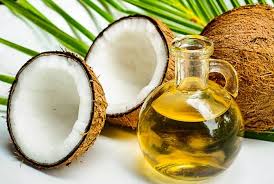
Coconut oil is a natural vegetable oil extracted from the white kernel (copra) of mature coconuts (Cocos nucifera). It is widely used in cooking, baking, skincare, haircare, and industrial applications due to its unique fatty acid composition, stability, and pleasant aroma.
Coconut oil is especially popular in tropical regions and is known for its high content of medium-chain fatty acids, particularly lauric acid, which gives it distinct functional and nutritional properties.
It is available in two main forms: virgin coconut oil (minimally processed, aromatic) and refined coconut oil (neutral flavor and higher smoke point).
Product Definition
Coconut oil is a plant-based edible oil obtained from the dried or fresh kernel of coconuts. It is processed for:
Cooking and frying oil
Food ingredient in bakery and confectionery
Cosmetics and personal care products
Industrial uses such as soaps and detergents
Product Features
1. High Saturated Fat Stability
Resistant to oxidation and heat degradation.
2. Distinct Aroma (Virgin Type)
Fresh coconut scent in minimally processed oil.
3. Versatile Applications
Used in food, cosmetics, and industrial sectors.
4. Long Shelf Life
Naturally stable when properly stored.
5. Medium-Chain Fatty Acids
Rich in lauric acid and other MCFAs.
6. Available in Multiple Grades
Virgin, refined, and fractionated forms.
Tabulated Product Specifications
Parameter
Specification
Product Name
Coconut Oil
Source
Coconut kernel (Cocos nucifera)
Product Type
Vegetable Oil
Color
Clear to pale yellow
Texture
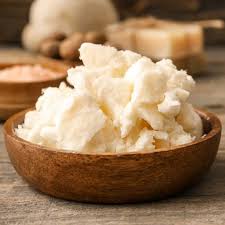
Liquid or semi-solid (below 24°C)
Flavor
Neutral (refined) / Coconut aroma (virgin)
Main Fatty Acid
Lauric acid
Oil Type
Edible / Industrial
Smoke Point
Medium to High (refined)
Shelf Life
1–2 years (proper storage)
Packaging
Bottles / drums / bulk containers
Storage Condition
Cool, dry place away from sunlight
Main Applications
Food, cosmetics, industrial
Nutritional Composition
Coconut oil is composed mainly of saturated fats with functional properties:
Fatty Acids
Lauric acid (dominant)
Myristic acid
Caprylic acid
Capric acid
Palmitic acid
Vitamins
Small amounts of Vitamin E
Trace antioxidants (in virgin oil)
Energy Content
High-calorie energy source
Types of Coconut Oil
1. Virgin Coconut Oil (VCO)
Extracted from fresh coconut meat
Minimal processing
Strong coconut aroma
High nutritional value
2. Refined Coconut Oil
Made from dried copra
Neutral taste and smell
Higher smoke point
3. Fractionated Coconut Oil
Liquid form at all temperatures
Used mainly in cosmetics and pharmaceuticals
Uses of Coconut Oil
1. Food and Cooking Industry
Used for:
Frying and sautéing
Baking
Confectionery products
Traditional cuisine
2. Cosmetics and Personal Care
Used in:
Skin moisturizers
Hair oils
Lip balms
Massage oils
3. Soap and Detergent Industry
Important raw material for:
Soap bars
Liquid soaps
Cleaning agents
4. Pharmaceutical and Wellness Products
Used in:
Herbal formulations
Carrier oils for essential oils
Nutritional supplements
5. Industrial Applications
Used in:
Lubricants
Biodiesel production
Chemical processing
Processing Methods
1. Coconut Harvesting
Mature coconuts are collected from palm trees.
2. Kernel Extraction
White coconut meat is separated from the shell.
3. Drying (Copra Production)
Kernel is dried for oil extraction (refined oil).
4. Oil Extraction
Mechanical pressing or cold-press methods are used.
5. Filtration and Refining
Oil is purified depending on final product grade.
Quality Assurance
Key quality control measures include:
Moisture content testing
Free fatty acid control
Peroxide value testing
Purity and contamination checks
Aroma and color evaluation
Packaging integrity inspection
Packaging and Storage
Packaging Options
Glass bottles
Plastic containers
Metal drums
Bulk industrial tanks
Storage Conditions
Cool and dry environment
Away from sunlight
Airtight sealing
Avoid moisture exposure
Proper storage maintains quality and prevents rancidity.
Advantages of Coconut Oil
1. High Stability
Resistant to heat and oxidation.
2. Multi-Purpose Use
Applicable in food, cosmetic, and industrial sectors.
3. Natural Product
Plant-based and widely accepted in natural product markets.
4. Long Shelf Life
Remains stable for long periods when stored properly.
5. Health and Functional Benefits
Contains medium-chain fatty acids beneficial for energy metabolism.
Commercial Importance
Coconut oil is a valuable global commodity used in:
Edible oil markets
Personal care and cosmetics industries
Soap manufacturing
Biofuel production
Health and wellness products
It plays an important role in tropical agricultural economies and international trade.
Conclusion
Coconut oil is a highly versatile natural oil derived from coconut kernels, valued for its stability, nutritional composition, and wide range of applications. It is used extensively in cooking, cosmetics, pharmaceuticals, and industrial manufacturing.
With proper extraction and processing, coconut oil provides a high-quality, long-lasting, and multifunctional product. As global demand for natural and plant-based oils continues to increase, coconut oil remains a key commodity in food, health, and industrial markets worldwide.