Copper ore is a naturally occurring mineral resource from which copper metal is extracted. Copper is one of the most important industrial metals due to its excellent electrical conductivity, thermal conductivity, corrosion resistance, and wide range of applications in construction, electronics, energy, and manufacturing.
Copper ores are mined globally and processed to produce refined copper used in wires, pipes, machinery, and electrical systems.
Definition of Copper Ore
Copper ore refers to rock or mineral deposits that contain economically recoverable concentrations of copper. These ores are processed through mining and metallurgy to extract pure copper metal.
Copper typically occurs in nature combined with other elements such as sulfur, oxygen, or iron.
Main Types of Copper Ore Minerals
1. Chalcopyrite (Most Important Copper Ore)
Chalcopyrite
Golden-yellow metallic appearance
Most abundant copper ore worldwide
Primary source of commercial copper production
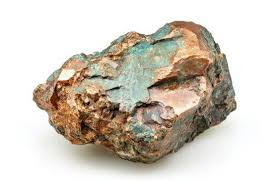
2. Malachite
Malachite
Bright green color
Secondary copper ore
Often found near copper deposits
3. Azurite
Azurite
Deep blue coloration
Often associated with malachite
Used historically as pigment
4. Bornite
Bornite
Iridescent purple, blue, and bronze colors
Moderate copper content
Visually distinctive ore
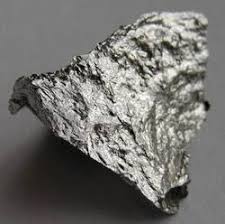
5. Chalcocite
Chalcocite
Very high copper content
Dark gray to black metallic appearance
Important high-grade ore
Physical and Chemical Characteristics of Copper Ore
Copper ores generally have:
Metallic to earthy appearance
Colors ranging from green, blue, yellow, black, or bronze
Moderate to high density
Variable copper content depending on ore type
Presence of sulfur, oxygen, or carbonate compounds
Conductive properties (in metallic ores)
Hardness varies by mineral type
Formation of Copper Ore
Copper ore forms through geological processes such as:
1. Magmatic Processes
Copper-rich magma cools and crystallizes
2. Hydrothermal Activity
Hot fluids deposit copper minerals in rock fractures
3. Sedimentary Processes
Copper compounds settle in layered deposits
4. Secondary Enrichment
Surface weathering concentrates copper into richer ores
Extraction and Processing of Copper Ore
1. Mining
Open-pit mining for large deposits
Underground mining for deep ore bodies
2. Crushing and Grinding
Ore is broken into fine particles
3. Concentration
Froth flotation separates copper minerals from waste rock
One of the best electrical and thermal conductors.
2. Corrosion Resistance
Durable in various environments.
3. High Durability
Long-lasting industrial material.
4. Recyclability
Can be recycled without losing quality.
5. Versatile Applications
Used across almost all major industries.
Economic Importance
Copper ore is highly valuable globally because it:
Supports electrical and electronics industries
Drives construction and infrastructure development
Creates mining and refining employment
Supports renewable energy expansion
Plays a key role in global industrial growth
It is considered a critical metal for modern technology.
Environmental Considerations
Copper mining and processing may involve:
Land disturbance and habitat loss
Waste rock and tailings generation
Water pollution risks from mining runoff
Mitigation includes:
Recycling copper materials
Environmental rehabilitation of mining sites
Cleaner extraction technologies
Wastewater treatment systems
Storage and Handling Guidelines
To maintain quality:
Store in dry, ventilated areas
Prevent contamination with other ores
Use proper bulk handling systems
Minimize dust exposure during transport
Separate grades for processing efficiency
Conclusion
Copper ore is a vital natural resource composed of minerals such as chalcopyrite, malachite, azurite, bornite, and chalcocite. It is the primary source of copper metal, which is essential for electrical systems, construction, transportation, and modern technology.
From power grids and electronics to plumbing and renewable energy systems, copper plays a fundamental role in global infrastructure and industrial development.
In essence, copper ore is not just a mineral deposit—it is a cornerstone of modern civilization, powering electrical connectivity and enabling technological advancement worldwide.