Cotton fabric is one of the most widely used and historically significant textiles in the global textile and apparel industry. Derived from the natural fibers of the cotton plant (Gossypium species), it has been cultivated, processed, and woven into fabric for thousands of years. Today, cotton fabric remains a cornerstone of the textile world due to its comfort, versatility, breathability, and compatibility with a wide range of applications.
The demand for cotton fabric spans across clothing, home textiles, industrial uses, and medical applications. It is used in everything from everyday garments such as shirts, dresses, and underwear to household products like bedsheets, curtains, towels, and upholstery. Its natural origin and skin-friendly properties make it especially preferred in warm climates and for sensitive skin users.
Modern textile manufacturing has significantly improved cotton processing through advanced spinning, weaving, dyeing, and finishing technologies. This has resulted in a wide range of cotton fabric types with varying textures, weights, strengths, and finishes. Despite competition from synthetic fibers, cotton remains a dominant fabric due to its balance of comfort, affordability, and sustainability.
Product Definition
Cotton fabric is a natural textile material produced by spinning cotton fibers into yarn, which is then woven or knitted into fabric. The fibers are obtained from the seed hairs of the cotton plant and undergo processes such as ginning, cleaning, carding, spinning, weaving, and finishing before becoming usable fabric.
Cotton fabric can be manufactured in different weaves such as plain weave, twill weave, and satin weave, resulting in varying textures and strengths. It can also be blended with synthetic fibers like polyester or elastane to improve durability, elasticity, and wrinkle resistance.
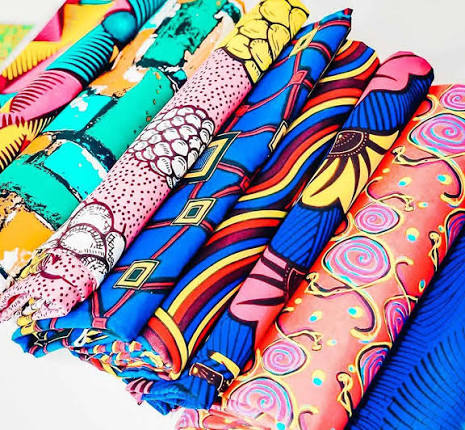
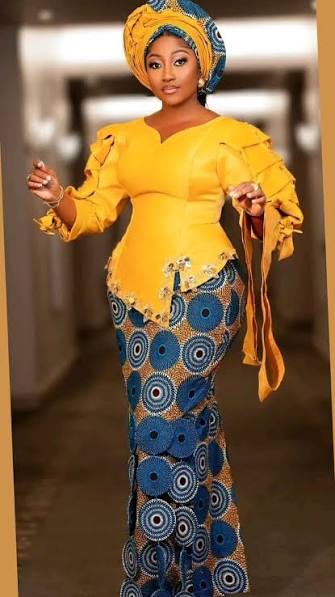
The fabric is known for its softness, breathability, moisture absorption, and comfort, making it suitable for both hot and moderate climates. It is also widely used in dyed, printed, and embroidered forms for fashion and decorative purposes.
Product Specifications
Parameter
Specification
Product Name
Cotton Fabric
Product Type
Natural Textile Fabric
Raw Material
Cotton Plant Fibers
Fiber Type
Natural Cellulosic Fiber
Weave Types
Plain, Twill, Satin, Knitted
Color
White (Natural), Dyed, Printed
Texture
Soft, Smooth, Lightweight to Heavyweight
Breathability
High
Moisture Absorption
High
Durability
Medium to High (depending on weave and GSM)
GSM Range
80 – 400 GSM (varies by application)
Width
36 inches – 120 inches (varies)
Shrinkage
Moderate (pre-shrunk available)
Finishing Types
Mercerized, Brushed, Bleached, Printed
Blend Options
100% Cotton or Cotton-Polyester Blends
Care Instructions
Machine Washable, Easy Ironing
Eco-Friendliness
Biodegradable and Renewable
Target Industries
Fashion, Home Textiles, Medical, Industrial
Quality Grades
Standard, Premium, Export Grade
Availability
Wholesale, Retail, Textile Markets
Key Features of Cotton Fabric
1. Natural Comfort
Cotton fabric is soft and gentle on the skin, making it ideal for clothing worn directly against the body.
2. Breathability
Its natural fiber structure allows air circulation, reducing heat buildup and improving comfort in warm weather.
3. High Absorbency
Cotton absorbs moisture effectively, making it suitable for towels, sportswear, and summer clothing.
4. Versatile Applications
Cotton fabric can be used across multiple industries including fashion, home décor, and healthcare.
Common types include:
Plain Cotton Fabric
Poplin Cotton
Muslin Cotton
Denim Cotton
Canvas Cotton
Twill Cotton
Flannel Cotton
Jersey Cotton Knit
5. Easy to Dye and Print
Cotton accepts dyes and prints very well, allowing for vibrant colors and patterns.
6. Biodegradable Material
Being a natural fiber, cotton fabric decomposes naturally and is environmentally friendly compared to synthetic fabrics.
Production and Manufacturing Process
Cotton Cultivation
Cotton plants are grown in suitable climatic regions and harvested when the cotton bolls mature.
Ginning
Raw cotton fibers are separated from seeds using ginning machines.
Cleaning
Impurities such as dust, seeds, and debris are removed.
Carding
Fibers are aligned and formed into a continuous sliver.
Spinning
The sliver is spun into yarn of varying thickness and strength.
Weaving or Knitting
Yarn is converted into fabric using weaving looms or knitting machines depending on desired texture.
Dyeing and Printing
Fabric is dyed or printed using chemical or natural colorants.
Finishing
Processes such as bleaching, mercerization, softening, or coating are applied to improve appearance and performance.
Inspection and Packaging
Finished fabric is inspected for defects and packaged for distribution.
Types of Cotton Fabric
1. Plain Cotton
Simple weave used for everyday clothing and general applications.
2. Poplin Cotton
Smooth, lightweight fabric commonly used for shirts and dresses.
3. Denim Cotton
Heavy-duty fabric used for jeans and jackets.
4. Canvas Cotton
Thick and strong fabric used for bags, shoes, and upholstery.
5. Muslin Cotton
Lightweight and loosely woven fabric used for draping and summer clothing.
6. Flannel Cotton
Soft brushed fabric used for warm clothing and bedding.
7. Twill Cotton
Diagonal weave fabric used for durable garments.
8. Knitted Cotton
Stretchable fabric used for T-shirts and casual wear.
Uses of Cotton Fabric
Clothing and Fashion
Cotton is widely used in:
Shirts
T-shirts
Dresses
Jeans
Underwear
Baby clothing
Home Textiles
It is used in:
Bedsheets
Pillow covers
Curtains
Towels
Tablecloths
Medical Applications
Cotton fabric is used in:
Bandages
Gauze
Surgical clothing
Hospital linens
Industrial Applications
Used in:
Cleaning cloths
Packaging materials
Filters
Protective covers
Upholstery
Cotton fabric is used in furniture coverings and decorative interiors.
Benefits of Cotton Fabric
1. Skin-Friendly Material
Suitable for all skin types, including sensitive skin.
2. Comfortable in All Seasons
Especially ideal for warm and humid climates.
3. Durable and Reliable
Offers good strength and long-term usability.
4. Easy Maintenance
Can be washed and maintained without special treatment.
5. Sustainable Option
Environmentally friendly and biodegradable.
6. Versatile Usage
Suitable for fashion, home, and industrial applications.
Packaging and Storage
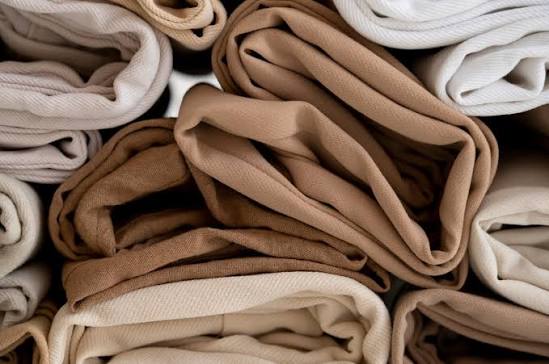
Cotton fabric is usually rolled and packed in protective wrapping materials to prevent contamination, dust accumulation, and moisture damage.
Storage Conditions
Store in a dry environment
Avoid direct sunlight exposure
Keep away from moisture
Store in well-ventilated areas
Use protective covers for long-term storage
Proper storage ensures fabric quality, color retention, and durability over time.
Market Demand and Consumer Appeal
The global cotton fabric market remains strong due to its widespread use in fashion and household textiles. Increasing demand for natural and sustainable materials has further strengthened cotton’s position in the textile industry.
Consumers prefer cotton fabric for its comfort, breathability, and versatility. The fashion industry continues to innovate with cotton blends, organic cotton, and premium cotton textiles to meet evolving consumer preferences.
Developing markets and growing populations also contribute to consistent demand for cotton-based products across clothing and home furnishing sectors.
Conclusion
Cotton fabric is one of the most important and widely used natural textiles in the world. Its softness, breathability, durability, and versatility make it suitable for a broad range of applications in clothing, home textiles, medical use, and industrial sectors. With its strong environmental advantages and global acceptance, cotton fabric continues to play a vital role in the textile industry. As consumer demand shifts toward natural and sustainable materials, cotton remains a preferred choice for manufacturers and consumers alike, ensuring its continued relevance in the global market.