Disinfectants: A Comprehensive Product Description
Introduction
Disinfectants are chemical agents designed to destroy or inactivate harmful microorganisms such as bacteria, viruses, fungi, and spores on inanimate surfaces. They play a critical role in maintaining hygiene, preventing infections, and ensuring public health safety across households, healthcare facilities, industries, and public spaces.
Unlike simple cleaning agents that only remove dirt and debris, disinfectants actively eliminate pathogens that can cause disease. They are widely used in hospitals, laboratories, schools, food processing units, transportation systems, and domestic environments. Their importance has grown significantly due to increased awareness of hygiene and global health challenges.
Disinfectants are available in various formulations such as liquids, sprays, wipes, concentrates, and fogging solutions. Their effectiveness depends on concentration, contact time, and proper application methods.
Product Definition
Disinfectants are chemical substances or formulations applied to non-living surfaces to kill or deactivate harmful microorganisms. They are not intended for use on living tissue (with the exception of certain antiseptic formulations that are specifically designed for skin use).
Disinfectants work through chemical reactions that damage the cell walls, proteins, or genetic material of microorganisms, rendering them inactive or destroying them completely.
Product Specifications
The specifications of disinfectants vary depending on formulation, active ingredients, and intended application.
Varies from acidic to alkaline depending on formulation
Spectrum of Action
Bacteria, viruses, fungi, spores (varies by type)
Contact Time
Typically 30 seconds to 10 minutes
Solubility
Water-based or alcohol-based formulations
Odor
Mild to strong depending on chemical composition
Stability
Varies by formulation and storage conditions
Shelf Life
Typically 1–3 years
Packaging Types
Bottles, spray cans, jerry cans, wipes, bulk containers
Storage Conditions
Cool, dry, well-ventilated environment
Application Areas
Healthcare, household, industrial, institutional, public spaces
Product Features
1. Broad-Spectrum Antimicrobial Action
Disinfectants effectively eliminate a wide range of harmful microorganisms, including bacteria, viruses, fungi, and spores.
2. Rapid Action
Many disinfectants act quickly, reducing microbial presence within seconds to minutes of application.
3. Versatile Formulations
Available in sprays, liquids, wipes, concentrates, and fogging solutions for different usage needs.
4. Surface Compatibility
Modern disinfectants are designed for use on various surfaces such as metal, plastic, glass, wood, and ceramics.
5. Residue Control
Some formulations leave minimal residue, making them suitable for food-contact surfaces and sensitive environments.
6. Odor Neutralization
Many disinfectants help eliminate unpleasant odors caused by microbial activity.
7. Easy Application
Designed for convenient use in both manual and automated cleaning systems.
8. Targeted Effectiveness
Different formulations are tailored for specific environments such as hospitals, homes, or industrial facilities.
Types of Disinfectants
Alcohol-Based Disinfectants
Contain ethanol or isopropyl alcohol and are effective against bacteria and many viruses. Commonly used in hand sanitizers and surface sprays.
Chlorine-Based Disinfectants
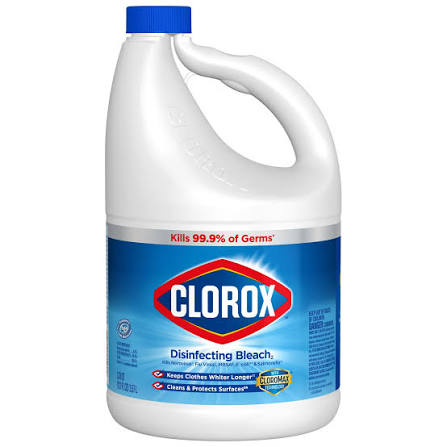
Include sodium hypochlorite and are widely used for surface cleaning, water treatment, and sanitation.
Quaternary Ammonium Compounds (Quats)
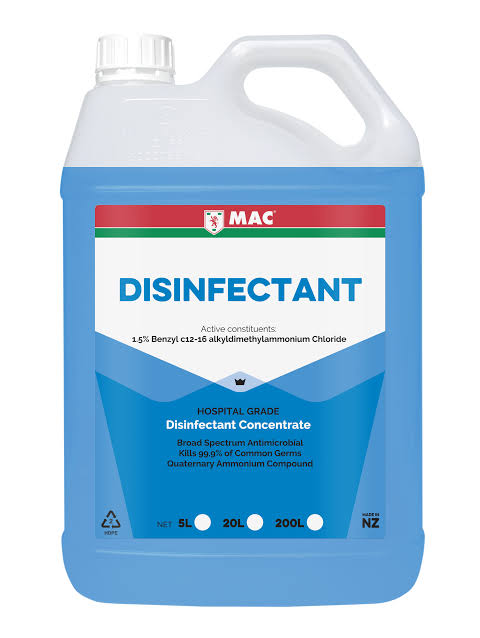
Used in household and industrial disinfectants for general surface sanitation.
Hydrogen Peroxide Disinfectants
Eco-friendlier options that break down into water and oxygen after use.
Phenolic Disinfectants
Strong disinfectants used in hospitals and industrial environments for high-level sanitation.
Alcohol Wipes and Sprays
Convenient ready-to-use disinfectant formats for quick cleaning.
Natural or Herbal Disinfectants
Formulated using plant-based ingredients for mild and eco-friendly disinfection.
Uses of Disinfectants
1. Healthcare Facilities
Hospitals and clinics use disinfectants to sterilize equipment, surfaces, and patient care areas to prevent infections.
2. Household Cleaning
Used for disinfecting kitchens, bathrooms, floors, and frequently touched surfaces.
3. Food Processing Industry
Ensures hygiene in food preparation, packaging, and storage areas.
4. Public Spaces
Applied in schools, offices, airports, and transportation systems to maintain sanitation standards.
5. Industrial Cleaning
Factories and workshops use disinfectants to maintain hygienic production environments.
6. Water Treatment
Some disinfectants are used to purify drinking water and wastewater systems.
7. Veterinary and Agricultural Use
Used to sanitize animal housing, equipment, and farming environments.
8. Emergency and Pandemic Control
Essential in controlling outbreaks and preventing the spread of infectious diseases.
Advantages of Disinfectants
Effective Disease Prevention
Disinfectants reduce the risk of infection by eliminating harmful microorganisms.
Wide Application Range
Suitable for domestic, industrial, healthcare, and public environments.
Fast Acting
Many disinfectants provide rapid microbial kill rates.
Improved Hygiene Standards
Help maintain clean and safe environments.
Versatile Product Forms
Available in liquids, sprays, wipes, and concentrates for convenience.
Cost-Effective Sanitation
Provide efficient cleaning and disinfection at affordable costs.
Odor Reduction
Help eliminate unpleasant smells caused by microbial growth.
Safety Considerations
Disinfectants are chemical products that require careful handling.
Handling Precautions
Avoid direct contact with skin and eyes
Use gloves when handling concentrated solutions
Ensure proper ventilation during use
Do not ingest or inhale vapors
Mixing Warnings
Do not mix chlorine-based disinfectants with acids or ammonia
Mixing can produce toxic and dangerous gases
Storage Guidelines
Store in a cool, dry, and shaded environment
Keep containers tightly sealed
Avoid exposure to heat and sunlight
Keep out of reach of children
Environmental Considerations
Modern disinfectant formulations are increasingly designed to minimize environmental impact. Eco-friendly disinfectants use biodegradable ingredients that break down more safely in wastewater systems.
Hydrogen peroxide-based and plant-derived disinfectants are gaining popularity as sustainable alternatives to traditional chemical disinfectants. Responsible usage and proper dilution are essential to reduce environmental harm.
Market Demand and Industry Importance
The global demand for disinfectants has grown significantly due to increased awareness of hygiene, expansion of healthcare infrastructure, and heightened public concern about infectious diseases. The COVID-19 pandemic further accelerated the adoption of disinfectant products in homes, workplaces, and public spaces.
Today, disinfectants are a fundamental part of public health systems and infection control strategies worldwide. Their role in preventing disease outbreaks and maintaining sanitation standards makes them indispensable in modern society.
Conclusion
Disinfectants are essential antimicrobial agents used to eliminate harmful microorganisms and maintain hygiene across a wide range of environments. Their ability to prevent infections, improve sanitation, and ensure public safety makes them critical in healthcare, households, industries, and public spaces.
With ongoing innovation and increasing demand for safer, eco-friendly formulations, disinfectants continue to evolve as vital tools in global health and hygiene management. Their importance in maintaining clean and safe environments ensures they remain indispensable in everyday life and industrial operations.