Dried Fruits – Nutritious Long-Shelf-Life Food Products for Snacking, Baking, and Food Processing
Introduction
Dried fruits are fruits that have been preserved through the removal of most of their natural water content using drying, dehydration, or sun-drying methods. This process extends shelf life, concentrates natural flavors, and enhances sweetness while maintaining much of the fruit’s original nutritional value.
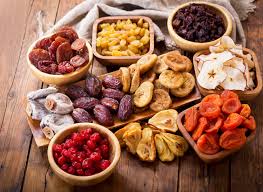
Dried fruits are widely consumed across the world as healthy snacks, baking ingredients, breakfast additions, and industrial food components. Common examples include dried mango, raisins, dates, apricots, bananas, pineapples, apples, and papayas. They are valued for their convenience, long storage life, and rich energy content.
One of the major advantages of dried fruits is their ability to retain essential nutrients such as fiber, vitamins, minerals, and antioxidants while offering a more concentrated source of natural sugars and energy. This makes them popular among health-conscious consumers, athletes, travelers, and food manufacturers.
Dried fruits are widely used in households, bakeries, cereal production, confectionery industries, snack manufacturing, and packaged food sectors. Their versatility allows them to be used in cakes, biscuits, granola bars, trail mixes, desserts, and energy foods.
The global demand for dried fruits continues to grow due to increasing preference for healthy snacks, natural sweeteners, and convenient food options. Food industries also rely on dried fruits as raw materials for processed foods and long-lasting ingredients.
Modern drying methods include sun drying, solar drying, hot air drying, freeze drying, and vacuum drying. These techniques help maintain product quality, hygiene, flavor, and nutritional value while ensuring long shelf life and safe storage.
Dried fruit production also contributes significantly to agricultural value addition, reducing post-harvest losses and increasing farmers’ income. It supports rural economies and creates opportunities in processing, packaging, transportation, and export markets.
Today, dried fruits remain essential food commodities in global trade, supporting nutrition, convenience foods, and food innovation across multiple industries.
Product Definition
Dried fruits are processed fruit products obtained by removing water content from fresh fruits through natural or industrial dehydration methods. They are shelf-stable food items valued for their concentrated flavor, nutritional density, and extended storage life.
Dried fruits may be sold as whole pieces, slices, diced forms, or blended mixes depending on consumer and industrial needs.
Product Features
1. Long Shelf Life
Dried fruits can be stored for months or even years without spoilage when properly packaged.
2. Concentrated Sweetness
Removal of water enhances the natural sweetness and flavor intensity.
3. Nutrient-Rich Composition
They retain fiber, vitamins, minerals, and antioxidants from fresh fruits.
4. Convenient Snack Food
Dried fruits are lightweight, portable, and easy to consume.
5. Versatile Ingredient Use
They are used in baking, cereals, desserts, and confectionery products.
6. Global Market Demand
Dried fruits are widely consumed in both retail and industrial food markets.
Tabulated Product Specifications
Parameter
Specification
Product Name
Dried Fruits
Product Type
Dehydrated Food Product
Moisture Content
10% – 25%
Sugar Content
40% – 70%
Fiber Content
3% – 10%
Protein Content
1% – 5%
Fat Content
0% – 5%
Shelf Life
6 months – 24 months
Packaging
Sealed Pouches / Cartons / Bulk Packs
Packaging Sizes
Retail and Industrial Sizes
Storage Condition
Cool, Dry, Airtight Environment
Main Applications
Snacking and Food Processing
Quality Grade
Premium Food Grade
Processing Methods
Sun-dried / Air-dried / Freeze-dried
Origin
Farm and Industrial Processing
Nutritional Composition
Dried fruits provide concentrated nutrients due to water removal.
Natural Sugars
Provide quick energy and sweetness.
Dietary Fiber
Supports digestion and gut health.
Vitamins
Common vitamins include:
Vitamin A
Vitamin C (partially retained)
Vitamin B Complex
Minerals
Important minerals include:
Potassium
Iron
Magnesium
Calcium
Antioxidants
Help support immune function and protect cells from oxidative stress.
Uses of Dried Fruits
1. Healthy Snacking
Dried fruits are widely consumed as convenient and nutritious snacks.
Common Uses
On-the-go snacks
Energy snacks
Travel food
School snacks
2. Bakery Industry
They are widely used in baked goods and desserts.
Bakery Applications
Cakes
Cookies
Muffins
Pastries
3. Breakfast and Cereal Industry
Dried fruits are added to cereals and granola mixes.
4. Confectionery Industry
Used in chocolates, sweets, and snack bars.
5. Food Processing Industry
Used as ingredients in energy bars, desserts, and packaged foods.
Processing and Production
The quality of dried fruits depends on proper selection and drying methods.
Raw Material Selection
Fresh, ripe fruits are selected for processing.
Washing and Preparation
Fruits are cleaned, peeled, and sliced if necessary.
Drying Process
Moisture is removed using:
Sun drying
Hot air drying
Freeze drying
Vacuum drying
Sorting and Grading
Dried products are sorted based on size, color, and quality.
Packaging
Products are sealed to prevent moisture absorption and contamination.
Quality Assurance
Premium dried fruits undergo strict quality control measures.
Quality assurance includes:
Selection of high-quality raw fruits
Hygienic processing conditions
Controlled drying procedures
Moisture content monitoring
Sorting and grading
Packaging inspection
Storage control
Food safety compliance
These ensure safe and high-quality products for consumers.
Packaging and Storage
Proper packaging is essential to preserve freshness and prevent moisture damage.
Common packaging options include:
Vacuum-sealed bags
Foil pouches
Plastic containers
Bulk cartons
Recommended storage conditions include:
Cool and dry environment
Airtight sealing
Protection from sunlight
Low humidity storage
Proper labeling
Proper storage ensures long shelf life and product quality.
Advantages of Dried Fruits
Long Shelf Stability
Can be stored for long periods without refrigeration.
High Nutritional Density
Concentrated source of vitamins, minerals, and fiber.
Convenient and Portable
Easy to carry and consume anywhere.
Reduced Food Waste
Helps preserve seasonal fruits and reduce post-harvest losses.
Versatile Food Ingredient
Used in multiple food industries worldwide.
Commercial Importance
Dried fruits are valuable commodities in global food trade and processing industries.
Reliable suppliers ensure:
Consistent quality
Proper dehydration standards
Hygienic processing
Competitive pricing
Secure packaging
Timely delivery
These factors support strong demand in retail and industrial markets.
Conclusion
Dried fruits remain highly important food commodities due to their long shelf life, concentrated nutrition, convenience, and wide culinary applications. They play a major role in healthy snacking, bakery production, cereal manufacturing, confectionery, and food processing industries.
Premium-quality dried fruits are carefully selected, processed, dried, and packaged to preserve flavor, texture, and nutritional value. From household snacks to industrial food ingredients, dried fruits continue to support nutrition, food innovation, agricultural value addition, and global trade.
As global demand for healthy, convenient, and natural food products continues to rise, dried fruits remain essential commodities for farmers, processors, exporters, retailers, and consumers worldwide.