Fertilizers are essential agricultural and horticultural products designed to enhance soil fertility and promote healthy plant growth. They play a crucial role in modern farming by supplying plants with the nutrients required for optimal development, increased productivity, and improved crop quality. As global food demand continues to rise, fertilizers have become indispensable tools for farmers, gardeners, landscapers, and agricultural professionals seeking to maximize yields and maintain soil health.
Plants require a variety of nutrients to grow, flower, and produce fruits or seeds. While soil naturally contains many of these nutrients, continuous cultivation and environmental factors can deplete nutrient levels over time. Fertilizers help replenish these nutrients, ensuring that crops and plants receive adequate nourishment throughout their growth cycle.
Available in organic, inorganic, liquid, granular, and specialty formulations, fertilizers are designed to meet the nutritional requirements of different crops, soils, and growing conditions. Their proper use contributes to improved agricultural productivity, sustainable farming practices, and food security worldwide.
Product Definition
Fertilizers are natural or manufactured substances that are applied to soil, plants, or growing media to supply essential nutrients necessary for plant growth and development. These nutrients support vital biological processes such as root development, photosynthesis, flowering, fruit production, and overall plant health.
Fertilizers typically contain primary nutrients including nitrogen (N), phosphorus (P), and potassium (K), commonly referred to as NPK. They may also contain secondary nutrients such as calcium, magnesium, and sulfur, as well as micronutrients like zinc, iron, manganese, boron, copper, and molybdenum.
Product Specifications
The specifications of fertilizers vary depending on their composition, formulation, and intended application. The table below outlines common specifications associated with fertilizer products.
Specification
Description
Product Name
Fertilizer
Product Type
Agricultural and Plant Nutrition Product
Primary Function
Supplying nutrients for plant growth
Main Nutrients
Nitrogen (N), Phosphorus (P), Potassium (K)
Secondary Nutrients
Calcium, Magnesium, Sulfur
Micronutrients
Zinc, Iron, Boron, Copper, Manganese, Molybdenum
Form Types
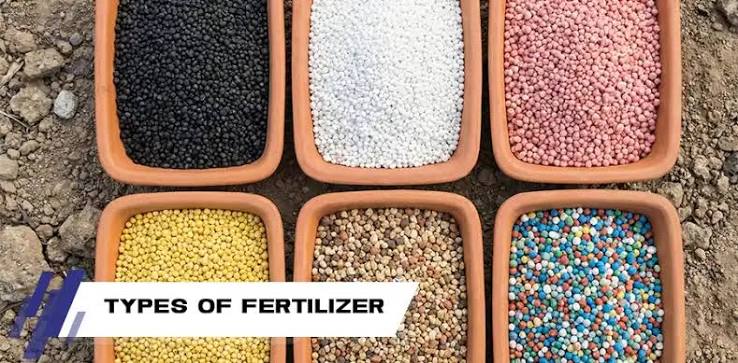
Granular, liquid, powder, pellets, water-soluble
Source Types
Organic, inorganic, synthetic, bio-based
Application Method
Soil application, foliar spray, fertigation
Nutrient Release
Quick-release, slow-release, controlled-release
Packaging Sizes
Small retail packs to bulk agricultural bags
Shelf Life
Typically 1–5 years depending on formulation
Solubility
Water-soluble or soil-activated formulations
Crop Compatibility
Suitable for various crops, lawns, gardens, and ornamental plants
Storage Requirements
Cool, dry, and well-ventilated conditions
Product Features
1. Essential Nutrient Supply
Fertilizers provide plants with the nutrients necessary for healthy growth, strong root systems, and improved productivity.
2. Improved Plant Development
Proper fertilization promotes vigorous growth, healthier foliage, stronger stems, and enhanced flowering and fruiting.
3. Enhanced Soil Fertility
Many fertilizers help replenish nutrients removed by crop harvesting and continuous cultivation.
4. Multiple Formulations
Fertilizers are available in various formulations tailored to specific crops, soil conditions, and agricultural objectives.
5. Efficient Nutrient Delivery
Modern fertilizer technologies ensure nutrients are delivered effectively and made available to plants when needed.
6. Increased Crop Yields
Proper fertilizer application significantly improves agricultural productivity and harvest quality.
7. Versatile Application Methods
Fertilizers can be applied through broadcasting, band placement, fertigation systems, foliar spraying, and direct soil incorporation.
8. Specialized Crop Solutions
Many products are designed specifically for vegetables, fruits, cereals, flowers, lawns, and ornamental plants.
Types of Fertilizers
Nitrogen Fertilizers
Nitrogen fertilizers support leafy growth, chlorophyll production, and overall plant vigor. Common examples include urea and ammonium nitrate.
Phosphorus Fertilizers
Phosphorus promotes root development, flowering, seed formation, and energy transfer within plants.
Potassium Fertilizers
Potassium improves disease resistance, water regulation, crop quality, and overall plant strength.
NPK Fertilizers
These balanced fertilizers contain nitrogen, phosphorus, and potassium in varying ratios to support comprehensive plant nutrition.
Organic Fertilizers
Organic fertilizers are derived from natural sources such as compost, manure, bone meal, and plant residues. They improve soil structure while supplying nutrients.
Liquid Fertilizers
Liquid formulations provide rapid nutrient availability and are commonly used for foliar feeding and fertigation systems.
Slow-Release Fertilizers
These products release nutrients gradually over time, reducing nutrient losses and minimizing application frequency.
Specialty Fertilizers
Specialty products are formulated for specific crops, growth stages, or environmental conditions.
Uses of Fertilizers
1. Enhancing Crop Production
Fertilizers are primarily used to increase crop yields and improve agricultural productivity.
2. Supporting Plant Growth
They provide essential nutrients required for healthy vegetative growth and development.
3. Improving Flowering and Fruiting
Proper fertilization encourages abundant flowering, fruit production, and improved harvest quality.
4. Correcting Nutrient Deficiencies
Fertilizers help address nutrient imbalances that can cause poor growth, discoloration, or reduced yields.
5. Lawn and Landscape Maintenance
Homeowners and landscapers use fertilizers to maintain healthy lawns, gardens, and ornamental plants.
6. Greenhouse Cultivation
Controlled-environment agriculture relies heavily on fertilizers to provide precise plant nutrition.
7. Rehabilitating Depleted Soils
Fertilizers help restore soil fertility in areas affected by intensive cultivation or nutrient depletion.
8. Commercial Horticulture
Nurseries and horticultural operations use fertilizers to support healthy plant production and quality.
Proper nutrition results in stronger, healthier plants that are better equipped to resist environmental stress.
Improved Crop Quality
Fertilized crops often exhibit better size, color, flavor, nutritional value, and marketability.
Efficient Land Utilization
Fertilizers enable farmers to maximize productivity from available agricultural land.
Faster Growth Rates
Plants receiving adequate nutrients generally grow faster and reach maturity more efficiently.
Economic Benefits
Higher yields and improved crop quality can increase profitability for farmers and agricultural businesses.
Versatile Applications
Fertilizers are suitable for a wide variety of crops, growing systems, and environmental conditions.
Care and Storage
Proper handling and storage help maintain fertilizer quality and effectiveness.
Storage Guidelines
Store in a cool, dry, and well-ventilated area.
Protect from excessive moisture and direct sunlight.
Keep containers tightly sealed when not in use.
Handling Precautions
Follow manufacturer instructions for application.
Wear appropriate protective equipment when handling large quantities.
Avoid contamination of water sources.
Application Best Practices
Apply according to crop requirements and soil test recommendations.
Avoid over-application to prevent nutrient losses and environmental impacts.
Use calibrated equipment for accurate distribution.
Market Demand and Industry Importance
Fertilizers are among the most important agricultural inputs globally. Rising population growth, increasing food consumption, and the need for sustainable agricultural productivity continue to drive demand for fertilizer products. Modern farming systems rely heavily on balanced plant nutrition to achieve optimal yields and maintain economic viability.
Technological advancements in nutrient management, precision agriculture, controlled-release formulations, and environmentally responsible fertilizer production are shaping the future of the industry. These innovations help improve nutrient-use efficiency while supporting sustainable agricultural practices.
Conclusion
Fertilizers are indispensable agricultural products that play a critical role in supporting plant growth, enhancing soil fertility, and increasing crop productivity. By supplying essential nutrients such as nitrogen, phosphorus, and potassium, fertilizers enable plants to achieve healthy development, improved yields, and superior quality.
Available in numerous formulations and application methods, fertilizers provide solutions for diverse agricultural, horticultural, landscaping, and gardening needs. Their ability to improve plant health, maximize productivity, and contribute to global food security makes them among the most valuable tools in modern agriculture. With continued innovation and responsible use, fertilizers will remain essential for sustainable crop production and agricultural advancement worldwide.