Frozen chicken is one of the most widely consumed poultry products globally, valued for its convenience, affordability, nutritional benefits, and extended shelf life. Produced through modern freezing technologies, frozen chicken is carefully processed and stored at low temperatures to preserve its freshness, taste, texture, and nutritional quality. It serves as an essential source of high-quality protein for households, restaurants, hotels, catering companies, food manufacturers, and institutional food service providers.
The demand for frozen chicken has increased significantly due to changing consumer lifestyles, growing urbanization, and the need for convenient food products that can be stored for extended periods without compromising quality. Available in various cuts and forms, frozen chicken offers flexibility for a wide range of culinary applications and dietary preferences.
Modern freezing methods help maintain the product’s natural characteristics while reducing microbial growth and spoilage. As a result, frozen chicken has become a reliable and practical food product that supports both domestic and commercial food preparation needs.
Product Definition
Frozen chicken refers to chicken meat that has been processed, packaged, and rapidly frozen to temperatures typically below -18°C (0°F) to preserve its quality, safety, and nutritional value. The freezing process slows down biological and microbial activity, significantly extending the product’s shelf life while maintaining its flavor, texture, and appearance.
Frozen chicken may be sold as whole birds, portions, cuts, boneless pieces, skinless portions, marinated products, or value-added processed items. It is intended for storage in frozen conditions until thawed and prepared for consumption.
The product is manufactured under strict hygiene and food safety standards to ensure consumer protection and product consistency throughout its storage and distribution cycle.
Product Specifications
Parameter
Specification
Product Name
Frozen Chicken
Product Type
Frozen Poultry Product
Physical Form
Whole Chicken, Portions, Cuts, Boneless Pieces
Color
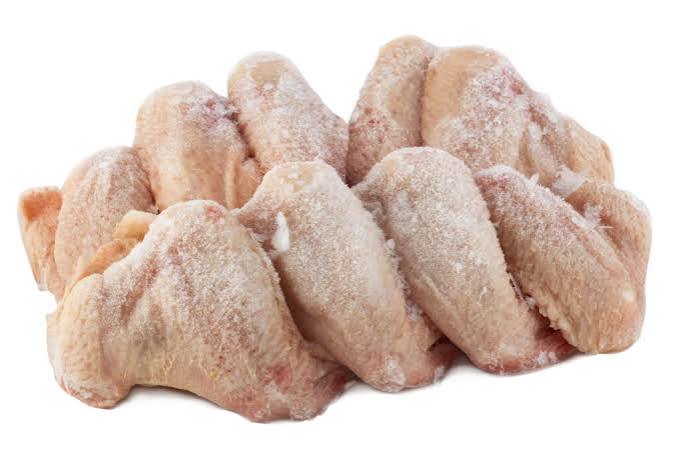
Natural Pale Pink to Light Cream
Taste
Fresh, Mild, Characteristic Chicken Flavor
Aroma
Natural Poultry Aroma
Main Ingredient
Chicken Meat
Processing Method
Slaughtering, Cleaning, Chilling, Freezing
Freezing Temperature
Typically Below -18°C
Shelf Life
6–24 Months Depending on Packaging
Packaging Type
Vacuum Packs, Poly Bags, Cartons, Bulk Packs
Storage Condition
Keep Frozen at or Below -18°C
Moisture Content
Naturally Present in Poultry Meat
Protein Content
High Protein Source
Fat Content
Varies by Cut and Product Type
Quality Grade
Commercial, Premium, or Export Grade
Target Consumers
Households, Restaurants, Hotels, Caterers
Food Safety Compliance
Produced Under Approved Food Safety Standards
Availability
Retail, Wholesale, Food Service Markets
Key Features of Frozen Chicken
1. Extended Shelf Life
Freezing significantly extends the storage life of chicken by slowing microbial activity and reducing spoilage. This allows consumers and businesses to store the product for long periods while maintaining quality.
2. Nutritional Value
Frozen chicken remains an excellent source of high-quality protein, essential amino acids, vitamins, and minerals. Proper freezing helps preserve much of the nutritional content found in fresh chicken.
3. Convenience
Frozen chicken is readily available and can be stored until needed, reducing the frequency of grocery shopping and simplifying meal planning.
4. Product Variety
Frozen chicken is available in numerous forms, including:
Whole Chicken
Chicken Breast
Chicken Thighs
Chicken Drumsticks
Chicken Wings
Boneless Chicken Fillets
Chicken Tenders
Chicken Leg Quarters
Ground Chicken
Marinated Chicken Products
5. Consistent Quality
Modern processing and freezing techniques help ensure consistency in appearance, texture, and taste across production batches.
6. Reduced Food Waste
The extended shelf life of frozen chicken minimizes spoilage and allows consumers to use only the quantity required, reducing unnecessary waste.
Manufacturing Process
The production of frozen chicken involves several carefully controlled stages to ensure safety and quality.
Poultry Selection
Healthy birds are selected from approved poultry farms that follow established animal welfare and biosecurity practices.
Processing
The chickens undergo slaughtering, defeathering, evisceration, and cleaning under hygienic conditions.
Inspection
Each carcass is inspected to ensure compliance with food safety and quality standards before further processing.
Portioning and Cutting
Depending on market requirements, the chicken may be cut into various portions such as breasts, wings, thighs, and drumsticks.
Chilling
Freshly processed chicken is rapidly chilled to reduce temperature and inhibit bacterial growth.
Freezing
The chicken is frozen using blast freezing or other rapid freezing technologies to preserve quality and minimize ice crystal formation.
Packaging
Products are packed using moisture-resistant and food-grade packaging materials designed to maintain freshness and prevent contamination.
Storage and Distribution
Finished products are stored in temperature-controlled cold storage facilities and distributed through refrigerated supply chains.
Uses of Frozen Chicken
Household Cooking
Frozen chicken is commonly used for preparing daily meals due to its convenience and versatility.
Restaurants and Hotels
Food service establishments rely on frozen chicken for consistent quality, inventory management, and efficient meal preparation.
Catering Services
Caterers use frozen chicken for large-scale food production because it offers predictable yields and extended storage capabilities.
Fast Food Industry
Frozen chicken serves as a primary ingredient in various fast-food products such as fried chicken, sandwiches, nuggets, and wraps.
Institutional Feeding Programs
Schools, hospitals, military facilities, and correctional institutions frequently use frozen chicken to provide nutritious meals efficiently.
Food Manufacturing
Frozen chicken is widely used in the production of ready meals, frozen dinners, soups, snacks, and processed poultry products.
Export Markets
Frozen chicken plays a significant role in international food trade due to its long shelf life and ease of transportation.
Benefits of Frozen Chicken
High Protein Content
Chicken provides essential amino acids required for muscle development, tissue repair, and overall health.
Year-Round Availability
Unlike some seasonal food products, frozen chicken is available throughout the year regardless of production fluctuations.
Cost Efficiency
Frozen chicken often provides economic advantages through bulk purchasing, reduced spoilage, and efficient inventory management.
Food Safety
Proper freezing helps maintain product safety by slowing the growth of spoilage microorganisms.
Versatile Culinary Applications
Frozen chicken can be used in numerous recipes, including:
Grilled Chicken
Roasted Chicken
Fried Chicken
Chicken Curry
Soups and Stews
Stir-Fries
Salads
Sandwiches
Pasta Dishes
Rice Meals
Easy Portion Control
Consumers can store and use specific quantities as needed, improving meal planning and reducing waste.
Packaging and Storage
Frozen chicken is packaged using materials designed to protect the product from freezer burn, contamination, moisture loss, and physical damage.
Common packaging options include:
Vacuum-Sealed Bags
Polyethylene Bags
Shrink-Wrapped Trays
Cartons
Bulk Food Service Packaging
For best quality, frozen chicken should be stored continuously at or below -18°C. Temperature fluctuations should be avoided to maintain product integrity and safety.
Market Demand and Consumer Appeal
The global frozen chicken market continues to expand due to increasing consumer demand for convenient, nutritious, and affordable protein sources. Urban lifestyles, busy work schedules, and growth in food service industries have contributed significantly to market growth.
Consumers appreciate frozen chicken for its long shelf life, availability, versatility, and value for money. Advances in cold chain logistics and freezing technologies have further enhanced product quality and accessibility across domestic and international markets.
Additionally, growing awareness of healthy eating and protein-rich diets has strengthened the demand for poultry products, making frozen chicken a preferred choice for many consumers worldwide.
Conclusion
Frozen chicken is a highly versatile, nutritious, and convenient poultry product that plays a vital role in modern food systems. Through advanced freezing and packaging technologies, it maintains its quality, safety, flavor, and nutritional value over extended storage periods. Its wide range of cuts, ease of preparation, affordability, and extensive culinary applications make it suitable for households, restaurants, catering services, food manufacturers, and institutional users. As consumer demand for convenient and protein-rich food products continues to grow, frozen chicken remains a dependable and valuable choice in both domestic and commercial food markets.