Frozen Vegetables – Convenient Nutritious Food Products for Modern Kitchens and Global Food Supply Chains
Introduction
Frozen vegetables are processed vegetable products that are cleaned, prepared, rapidly frozen, and packaged to preserve freshness, nutritional value, texture, and flavor for extended storage and convenient use. They are among the most important categories in the modern food industry due to their convenience, long shelf life, and year-round availability.
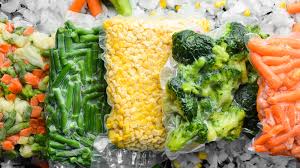
Frozen vegetables are produced from a wide variety of crops including peas, carrots, green beans, broccoli, cauliflower, spinach, corn, mixed vegetables, bell peppers, okra, and many others. These vegetables are typically harvested at peak maturity to ensure maximum nutritional quality before undergoing freezing processes.
One of the greatest advantages of frozen vegetables is their ability to retain much of the original nutritional content of fresh produce. Modern freezing techniques, especially quick freezing methods, help preserve vitamins, minerals, color, flavor, and texture while minimizing spoilage and waste.
Frozen vegetables are widely used in households, restaurants, hotels, catering services, supermarkets, and food manufacturing industries. They offer consumers the convenience of ready-to-cook ingredients without the need for extensive cleaning, peeling, or chopping.
The global demand for frozen vegetables continues to rise due to changing lifestyles, increasing urbanization, growing preference for convenient foods, and expanding cold-chain infrastructure. Frozen vegetables are especially valued for providing access to seasonal vegetables throughout the year.
Modern frozen vegetable production involves harvesting, washing, sorting, blanching, rapid freezing, packaging, and cold storage under strict food safety and quality standards. Individual Quick Freezing (IQF) technology is commonly used to freeze vegetables separately while maintaining product quality.
Frozen vegetables also play an important role in reducing food waste by extending the shelf life of highly perishable crops. This supports food security and helps stabilize vegetable supply chains in both domestic and international markets.
Today, frozen vegetables remain essential products in modern food systems, supporting convenience, nutrition, food processing, and global agricultural trade.
Product Definition
Frozen vegetables are vegetables that have been cleaned, processed, and rapidly frozen under controlled conditions to preserve their freshness, nutritional value, texture, and shelf life. They are intended for convenient cooking and long-term storage.
Frozen vegetables may be sold as single-vegetable products or mixed vegetable blends for retail, food service, and industrial applications.
Modern freezing techniques retain vitamins and minerals effectively.
3. Convenient Ready-to-Cook Format
Vegetables are pre-cleaned and prepared for immediate use.
4. Year-Round Availability
Provides access to seasonal vegetables throughout the year.
5. Wide Product Variety
Available as single vegetables or mixed vegetable combinations.
6. Strong Global Demand
Widely consumed in households and food service industries.
Tabulated Product Specifications
Parameter
Specification
Product Name
Frozen Vegetables
Product Type
Processed Frozen Food
Main Ingredients
Assorted Vegetables
Processing Method
Blanching and Rapid Freezing
Texture
Firm / Tender after cooking
Color
Natural Vegetable Colors
Flavor
Fresh Vegetable Flavor
Moisture Content
High
Shelf Life
Several Months to Over One Year
Packaging
Plastic bags / Cartons / Bulk packs
Packaging Sizes
Retail and Industrial Sizes
Storage Condition
Frozen Storage (-18°C or lower)
Main Applications
Cooking and Food Processing
Quality Grade
Premium Food Grade
Preservation Method
Quick Freezing / IQF
Origin
Farm and Industrial Processing
Nutritional Composition
Frozen vegetables provide valuable nutrients similar to fresh vegetables.
Vitamins
Depending on vegetable type, common vitamins include:
Vitamin C
Vitamin A
Vitamin K
Folate
Minerals
Potassium
Calcium
Magnesium
Iron
Dietary Fiber
Supports digestion and balanced nutrition.
Antioxidants
Contain natural plant compounds beneficial for wellness.
Low-Calorie Nutritional Option
Suitable for healthy and balanced diets.
Uses of Frozen Vegetables
1. Household Cooking
Frozen vegetables provide convenient meal preparation.
Common Uses
Soups
Stir-fries
Side dishes
Rice dishes
2. Food Service Industry
Widely used in restaurants, hotels, and catering services.
3. Food Manufacturing
Used in processed meals and packaged foods.
Industrial Applications
Frozen meals
Ready-to-eat foods
Vegetable mixes
Instant food products
4. Institutional Supply
Used in schools, hospitals, airlines, and cafeterias.
5. Retail Supermarkets
Sold as convenient consumer food products.
Processing and Production
Frozen vegetable production follows strict industrial food standards.
Harvesting
Vegetables are harvested at peak maturity.
Washing and Cleaning
Products are cleaned thoroughly to remove contaminants.
Sorting and Cutting
Vegetables are graded and cut into desired sizes.
Blanching
Brief heat treatment helps preserve color and texture.
Rapid Freezing
Vegetables are quickly frozen using industrial freezing systems.
Packaging
Frozen products are sealed in moisture-resistant packaging.
Cold Storage
Products are stored at controlled freezing temperatures.
Quality Assurance
Strict quality control ensures safe and premium frozen vegetables.
Quality assurance includes:
Raw material inspection
Hygiene monitoring
Temperature control
Blanching verification
Packaging integrity checks
Cold-chain management
Microbial testing
Food safety compliance
These ensure safe and consistent product quality.
Packaging and Storage
Proper packaging and storage are essential for frozen products.
Common packaging options include:
Plastic freezer bags
Vacuum-sealed packs
Retail cartons
Bulk industrial packaging
Recommended storage conditions include:
Continuous frozen storage
Temperature below -18°C
Protection from moisture loss
Hygienic handling
Stable cold-chain logistics
Correct storage maintains freshness and quality.
Advantages of Frozen Vegetables
Long Shelf Life
Can be stored for extended periods without spoilage.
Reduced Food Waste
Minimizes losses associated with fresh produce perishability.
Convenience
Ready-to-cook products save preparation time.
Nutritional Value
Retains much of the nutrients of fresh vegetables.
Wide Availability
Accessible throughout the year regardless of season.
Commercial Importance
Frozen vegetables are major products in global food processing industries.
Reliable suppliers ensure:
Consistent product quality
Proper freezing technology
Competitive pricing
Efficient cold-chain logistics
Export-standard packaging
Timely delivery
These factors support strong international demand and market growth.
Conclusion
Frozen vegetables remain essential food products in modern global food systems due to their convenience, nutritional value, long shelf life, and versatility. Their role in household cooking, food service, retail markets, and industrial food manufacturing makes them highly important commodities worldwide.
Premium-quality frozen vegetables are carefully harvested, processed, rapidly frozen, packaged, and stored to preserve freshness, texture, flavor, and nutritional value. From everyday meals to large-scale food production, frozen vegetables continue to support healthy nutrition, convenience, agriculture, and international trade.
As global demand for convenient and nutritious food products continues to increase, frozen vegetables remain valuable commodities for farmers, processors, distributors, retailers, and consumers across the world.