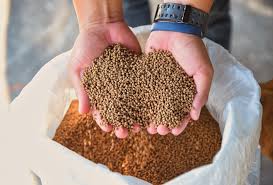
Frozen Yam Products – Premium Processed Yam Foods for Convenience, Nutrition, and Global Food Markets
Introduction
Frozen Yam Products are high-quality processed food products made from carefully selected yam tubers and preserved through freezing technology to maintain freshness, texture, nutritional value, and extended shelf life. These products have become increasingly popular in domestic and international food markets because of their convenience, versatility, and ability to provide consumers with ready-to-cook yam meals throughout the year.
Derived from yam tubers belonging mainly to the Dioscorea species, frozen yam products are widely consumed across Africa, Europe, North America, Asia, and the Caribbean. They are especially valued in regions where yams are staple foods and among international consumers seeking authentic ethnic cuisine, nutritious convenience foods, and easy meal preparation options.
Frozen yam products are produced through controlled industrial processing methods involving yam selection, washing, peeling, slicing, cutting, blanching, freezing, packaging, and cold storage. These processes help preserve the natural flavor, color, texture, and nutritional integrity of the yam while reducing spoilage and extending usability. Modern freezing technology allows the products to retain their quality for long periods under proper storage conditions.
One of the major advantages of frozen yam products is convenience. Consumers can quickly prepare meals without the time-consuming processes of peeling, cutting, and washing fresh yams. This convenience makes frozen yam products highly suitable for busy households, restaurants, catering businesses, hotels, supermarkets, and food service industries.
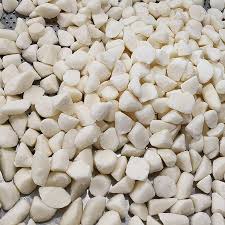
Frozen yam products are available in several forms including yam slices, cubes, fries, chunks, mashed yam, pounded yam flour blends, roasted yam portions, and ready-to-cook yam preparations. These products are used in traditional meals, modern cuisines, snack production, and commercial food service operations.
Nutritionally, frozen yam products remain rich in carbohydrates, dietary fiber, vitamins, minerals, and beneficial plant compounds that support healthy nutrition and dietary energy. Proper freezing techniques help preserve much of the yam’s original nutritional value and texture compared to some other preservation methods.
The growing global demand for ethnic foods, frozen convenience meals, plant-based foods, and ready-to-cook products has significantly increased the commercial importance of frozen yam products in international markets. Food manufacturers and distributors continue to expand frozen yam production to meet increasing consumer demand for convenient and nutritious food options.
Modern frozen yam production emphasizes food safety, hygienic processing, cold-chain management, quality assurance, and secure packaging to ensure product consistency and export compliance. Proper frozen storage systems help maintain freshness, prevent contamination, and preserve product quality during transportation and distribution.
Today, frozen yam products remain valuable processed food commodities supporting convenience food industries, international trade, agricultural processing, and global food supply chains. Their versatility, convenience, nutritional value, and cultural importance continue to strengthen their market demand worldwide.
Product Definition
Frozen yam products are processed food products made from selected yam tubers (Dioscorea species) that are cleaned, peeled, cut, partially processed, frozen, and packaged for extended storage and convenient food preparation. These products are widely used in household cooking, food service operations, retail markets, and international food trade.
Frozen yam products may be supplied as yam slices, cubes, fries, chunks, mashed yam, roasted yam portions, or ready-to-cook packaged meals depending on market demand and consumer preferences.
Product Features
1. Convenient Ready-to-Cook Product
Frozen yam products reduce preparation time and simplify meal preparation.
2. Extended Shelf Life
Freezing technology preserves freshness and allows long-term storage.
3. Nutrient Preservation
Proper freezing helps maintain nutritional value, texture, and flavor.
4. Versatile Culinary Applications
The products support traditional meals, snacks, and modern food preparations.
5. Hygienically Processed
The products are processed under controlled hygienic conditions for food safety.
6. Strong Consumer Demand
Frozen yam products are increasingly popular in local and international convenience food markets.
Tabulated Product Specifications
Parameter
Specification
Product Name
Frozen Yam Products
Scientific Name
Derived from Dioscorea Species
Product Type
Frozen Processed Food
Color
White / Cream / Yellow
Texture
Firm When Frozen / Soft After Cooking
Flavor
Natural Yam Flavor
Moisture Content
Controlled Frozen Moisture Level
Carbohydrate Content
20% – 35%
Fiber Content
2% – 5%
Protein Content
1% – 3%
Fat Content
Less than 1%
Preservation Method
Frozen Storage
Shelf Life
12 – 24 Months (Frozen)
Packaging
Vacuum Packs / Poly Bags / Cartons
Packaging Sizes
500g, 1kg, 5kg, Bulk
Storage Condition
Frozen Storage at Recommended Temperatures
Main Applications
Food Consumption and Food Service
Quality Grade
Premium Food Grade
Origin
Processed Agricultural Product
Nutritional Composition
Frozen yam products provide important nutrients necessary for healthy nutrition and energy supply.
Carbohydrates
The products contain carbohydrates that provide dietary energy.
Dietary Fiber
Fiber supports healthy digestion and proper metabolism.
Vitamins
Frozen yam products may contain vitamins such as:
Vitamin C
Vitamin B6
Folate
Minerals
Important minerals naturally present in yam products include:
Potassium
Magnesium
Calcium
Phosphorus
Iron
Beneficial Plant Compounds
Yam products contain natural compounds that support overall wellness and healthy body function.
Uses of Frozen Yam Products
1. Household Cooking
Frozen yam products are widely used for convenient meal preparation at home.
Common Household Applications
Boiled yam meals
Fried yam
Roasted yam
Yam porridge
Traditional dishes
The products reduce cooking preparation time significantly.
2. Restaurant and Catering Industry
Frozen yam products are suitable for commercial food service operations.
Food Service Applications
Restaurants
Hotels
Catering businesses
Cafeterias
3. Convenience Food Industry
The products support ready-to-cook and ready-to-serve food manufacturing.
Convenience Food Applications
Frozen meal packs
Instant food products
Pre-cooked yam dishes
4. Snack Food Production
Frozen yam fries and slices are used in snack manufacturing and quick-service foods.
5. Export Food Markets
Frozen yam products are increasingly exported to international ethnic food markets and supermarkets.
Production and Processing
The quality of frozen yam products depends on proper yam selection and controlled processing procedures.
Yam Selection
Fresh mature yams are selected based on quality, freshness, and texture.
Washing and Peeling
The yam tubers are washed and peeled thoroughly under hygienic conditions.
Cutting and Sizing
The yams are sliced, cubed, or cut according to product specifications.
Blanching
Controlled blanching helps preserve texture, flavor, and color.
Freezing
Rapid freezing technology is used to maintain freshness and reduce ice crystal damage.
Packaging
The frozen products are packaged securely using moisture-resistant food-grade materials.
Cold Storage
The packaged products are stored under recommended frozen conditions before distribution.
Quality Assurance
Premium frozen yam products undergo strict quality control procedures to ensure consistency, safety, and freshness.
Quality assurance measures include:
Selection of quality yam tubers
Hygienic processing standards
Temperature monitoring
Texture consistency control
Moisture management
Packaging inspection
Cold-chain verification
Food safety compliance testing
Export quality monitoring
These procedures help maintain superior product standards and customer satisfaction.
Packaging and Storage
Frozen yam products are packaged using specialized materials designed to preserve quality during frozen storage and transportation.
Common packaging options include:
Vacuum-sealed packs
Polyethylene bags
Laminated pouches
Carton boxes
Recommended storage conditions include:
Continuous frozen storage
Stable low temperatures
Protection from thawing and refreezing
Clean storage environment
Proper cold-chain management
Proper storage practices help maintain texture, freshness, nutritional quality, and shelf life.
Advantages of Frozen Yam Products
Convenience and Time Saving
Consumers can prepare meals quickly without extensive preparation procedures.
Long Shelf Stability
Freezing allows extended product storage while maintaining quality.
Nutritional Preservation
Proper freezing helps preserve important nutrients and natural flavor.
Broad Food Applications
The products support household cooking, catering services, snack production, and convenience foods.
Growing Global Market Demand
Increasing demand for ethnic foods and frozen convenience products continues to strengthen frozen yam markets worldwide.
Commercial Importance
Frozen yam products are increasingly important in food retail, catering, convenience food manufacturing, and export industries.
Reliable suppliers ensure:
Consistent product quality
Hygienic processing standards
Effective cold-chain management
Competitive pricing
Timely delivery
Secure frozen packaging
These factors contribute to strong customer confidence and successful commercial trade relationships.
Conclusion
Frozen yam products remain valuable processed food commodities due to their convenience, nutritional value, extended shelf life, and versatility in food preparation. Their role in household cooking, convenience foods, catering services, and international ethnic food markets makes them increasingly important in modern food industries.
Premium-quality frozen yam products are carefully processed, frozen, packaged, and stored to maintain freshness, texture, flavor, and nutritional integrity. From traditional yam meals and snack foods to commercial catering and frozen convenience products, frozen yam continues to support healthy nutrition, agricultural processing, food innovation, and international trade.
As global demand for convenient, nutritious, and culturally diverse food products continues to rise, frozen yam products remain trusted commodities for food manufacturers, wholesalers, exporters, retailers, restaurants, and consumers across worldwide markets.