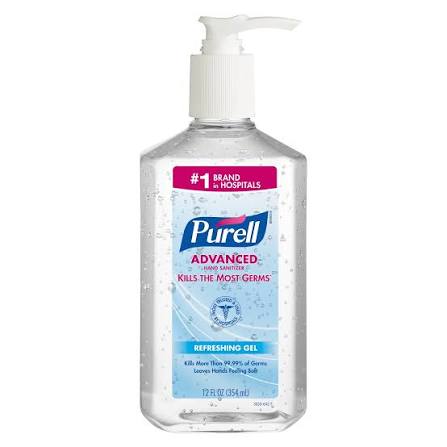
Hand Sanitizers: A Comprehensive Product Description
Introduction
Hand sanitizers are hygiene products designed to reduce or eliminate harmful microorganisms on the hands without the need for water or soap. They are widely used in homes, healthcare facilities, schools, offices, public transport systems, and industrial environments to promote hand hygiene and prevent the spread of infectious diseases.
Typically formulated as gels, liquids, or foams, hand sanitizers contain active antimicrobial ingredients such as alcohol or other disinfecting agents that rapidly kill bacteria, viruses, and fungi. Their convenience, portability, and fast action have made them an essential part of modern hygiene practices, especially in situations where access to soap and water is limited.
The global importance of hand sanitizers increased significantly due to heightened awareness of infectious disease control and public health safety. Today, they remain a key tool in personal hygiene and infection prevention strategies worldwide.
Product Definition
Hand sanitizers are antiseptic formulations applied to the hands to reduce the presence of pathogenic microorganisms. They work by disrupting the cell membranes of microbes, denaturing proteins, and inactivating viruses, thereby preventing their ability to cause infection.
Most hand sanitizers are alcohol-based, containing ethanol or isopropyl alcohol as the primary active ingredient. Non-alcohol-based formulations may also use alternative antimicrobial compounds such as benzalkonium chloride.
Product Specifications
The specifications of hand sanitizers vary depending on formulation, usage, and regulatory standards.
Specification
Description
Product Name
Hand Sanitizers
Product Type
Antiseptic and Hygiene Product
Physical Form
Gel, liquid, foam, spray
Active Ingredient
Ethanol (60–80%), Isopropyl alcohol, or alternative antimicrobials
Hand sanitizers quickly kill or deactivate a wide range of harmful microorganisms on contact.
2. Convenient Use Without Water
They provide effective hand hygiene in situations where soap and water are unavailable.
3. Fast Drying Formula
Alcohol-based formulations evaporate quickly, leaving no sticky residue.
4. Portable and Easy to Carry
Available in small bottles, making them suitable for travel and daily use.
5. Skin-Friendly Additives
Many formulations include moisturizers like aloe vera or glycerin to prevent dryness.
6. Broad-Spectrum Protection
Effective against bacteria, viruses, and fungi when used correctly.
7. Hygienic Dispensing Options
Available in pumps, sprays, and touch-free dispensers to reduce contamination risks.
8. Versatile Applications
Suitable for personal hygiene, healthcare settings, and public environments.
Types of Hand Sanitizers
Alcohol-Based Hand Sanitizers
Contain ethanol or isopropyl alcohol and are the most effective for rapid disinfection.
Non-Alcohol-Based Sanitizers
Use alternative antimicrobial agents such as benzalkonium chloride; generally milder on the skin.
Gel Sanitizers
Thick consistency for easy application and controlled usage.
Liquid Sanitizers
Quick-spreading formulations often used in dispensers.
Foam Sanitizers
Lightweight foam that spreads easily and reduces product wastage.
Herbal or Natural Sanitizers
Formulated with plant-based ingredients and essential oils for gentle cleansing.
Uses of Hand Sanitizers
1. Personal Hygiene
Used for routine hand cleaning to prevent infection and maintain cleanliness.
2. Healthcare Settings
Essential in hospitals, clinics, and laboratories for infection control.
3. Public Spaces
Used in schools, offices, malls, and transportation systems to reduce disease transmission.
4. Food Industry
Ensures hygiene among food handlers and prevents contamination.
5. Travel and Outdoor Use
Provides quick sanitation when soap and water are unavailable.
6. Workplace Safety
Used in industrial and commercial environments to maintain hygiene standards.
7. Emergency Health Response
Critical in controlling outbreaks and maintaining sanitation during health crises.
8. Hospitality Industry
Used in hotels and restaurants to ensure guest and staff hygiene.
Advantages of Hand Sanitizers
Quick and Effective
Provides fast reduction of harmful microorganisms on hands.
No Water Required
Convenient for use in any location or situation.
Portable Hygiene Solution
Easy to carry and use anytime, anywhere.
Reduces Disease Spread
Helps prevent transmission of infectious diseases.
Fast Drying
Leaves hands clean without rinsing or wiping.
Skin Conditioning Options
Many products include moisturizing ingredients to prevent dryness.
Widely Available
Easily accessible in various sizes and formulations.
Safety Considerations
Hand sanitizers contain active chemical ingredients that require proper usage.
Usage Precautions
Apply only to external skin surfaces
Avoid contact with eyes and mouth
Do not ingest the product
Keep away from children without supervision
Flammability Warning
Alcohol-based sanitizers are flammable
Keep away from open flames and heat sources
Storage Guidelines
Store in a cool, dry place
Keep containers tightly closed
Avoid direct sunlight and high temperatures
Proper Use Guidelines
Use sufficient quantity to cover all hand surfaces
Rub hands thoroughly until dry
Do not wipe off before drying
Environmental Considerations
Modern hand sanitizers are increasingly formulated with biodegradable ingredients and eco-friendly packaging to reduce environmental impact. Recyclable containers and reduced-plastic packaging are becoming more common in the industry.
Alcohol-based sanitizers naturally evaporate and break down without leaving harmful residues, but responsible manufacturing and packaging disposal remain important for sustainability.
Market Demand and Industry Importance
Hand sanitizers have become one of the most essential hygiene products globally. Their demand increased significantly due to public health awareness, disease outbreaks, and increased focus on personal hygiene.
They are now a standard product in healthcare systems, workplaces, schools, transportation hubs, and households. Continuous innovation in skin-friendly formulations, herbal variants, and sustainable packaging continues to drive market growth.
Conclusion
Hand sanitizers are essential hygiene products that provide fast, convenient, and effective protection against harmful microorganisms. Their ability to maintain hand cleanliness without water makes them indispensable in modern daily life and public health systems.
With ongoing advancements in formulation technology and increasing global hygiene awareness, hand sanitizers continue to play a vital role in preventing disease transmission and promoting healthier living environments worldwide.